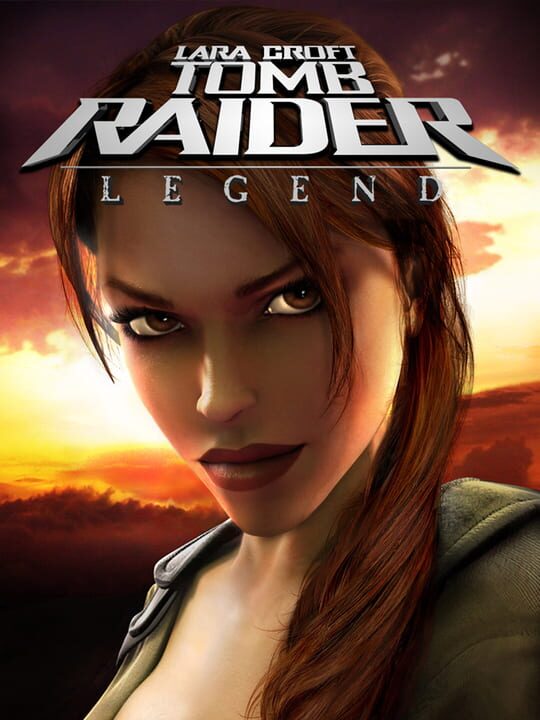
Tomb Raider: Legend
Main Game
RELEASED
7.5
7 abr 2006
Xbox 360PC (Microsoft Windows)+2byCrystal Dynamics•Eidos Interactive
Resumen:|
{"overview":"
Tomb Raider: Legend es un juego de acción-aventura de 2006 que reinicia la saga, centrado en la exploración en tercera persona, resolución de puzles y combate. Juegas como Lara Croft, quien navega entornos complejos con una movilidad acrobática mejorada: corre, escala y usa tirolinas. La trama te sitúa en la búsqueda de una reliquia sudamericana, enfrentándote a la reaparición de la antropóloga Amanda Evert. Este título destaca por su fluidez de movimiento al cruzar terrenos difíciles.
","tokens":{"input":2311,"output":125,"total":2436}}{"overview":"
\nEste título de acción y aventura lanzado en 2006 representa una reinvención significativa dentro de la aclamada franquicia, siendo la séptima entrega principal de la serie. Desarrollado por Crystal Dynamics, este juego introduce una nueva encarnación de la icónica protagonista, Lara Croft, manteniendo la exploración en tercera persona y la resolución de puzles que definen la saga. Los jugadores pueden esperar una mezcla de secuencias de acción intensas y travesía ambiental a través de diversas y a menudo peligrosas localizaciones globales.\n
\n\nMecánicas Centrales y Bucle de Juego
\nEl bucle de juego se centra en navegar por entornos complejos, resolver puzles intrincados para desbloquear nuevos caminos y participar en encuentros de combate. Un enfoque clave de esta iteración es la movilidad mejorada. Lara Croft ya no está restringida por limitaciones de movimiento rígidas; los jugadores se benefician de una travesía más fluida y acrobática. Esto incluye correr, bucear, nadar, escalar diversas superficies como postes y tejados, utilizar tirolinas, y realizar acciones como saltos mortales y volteretas para cruzar terrenos difíciles.
\n\n¿Cuál es el enfoque de la exploración en esta aventura?
\nLa exploración requiere que los jugadores utilicen toda la gama de habilidades de movimiento de Lara para cruzar paisajes desafiantes. El progreso a menudo está limitado por puzles ambientales que deben resolverse para abrir nuevas áreas o revelar secretos ocultos. La atmósfera combina el misterio antiguo con la aventura de alto riesgo mientras los jugadores se adentran en ruinas y lugares olvidados.
\n\nPremisa Argumental
\nLa narrativa comienza con Lara Croft en la búsqueda de una reliquia sudamericana. Sin embargo, su expedición cambia rápidamente de rumbo al encontrarse con una figura de su pasado: la antropóloga renegada Amanda Evert. Presuntamente perdida años atrás en un accidente en una tumba peruana —un incidente del que Lara fue la única superviviente—, Amanda ha reaparecido con una agenda clara. Tanto Lara como Amanda se encuentran en una carrera contra el tiempo, junto con el sombrío James Rutland Jr., para asegurar un artefacto antiguo y poderoso.
\n\nDisponibilidad de Plataformas y Contenido
\nEsta entrega principal fue lanzada para Xbox 360, PC (Microsoft Windows), PlayStation 3 y el OnLive Game System. Como lanzamiento principal e independiente, no incluye contenido descargable (DLCs) ni expansiones oficiales.
\n\n¿Qué define esta experiencia de reinicio?
\nEste juego se define por su exitosa integración de elementos de aventura clásicos con controles modernos y receptivos, permitiendo una mayor sensación de libertad en el movimiento e interacción con el entorno, sentando una nueva base para el viaje del personaje.
","tokens":{"input":2505,"output":640,"total":3145}}Game Details
Primary Name: Tomb Raider: Legend
Alternative Names:
Tomb Raider 7 (Alternative spelling)
Lara Croft: Tomb Raider - Legend (Alternative spelling)
古墓奇兵:不死傳奇 (Chinese title - traditional)
古墓丽影:传奇 (Chinese title - simplified)
Tomb Raider - Легенда (Russian title)
Tomb Raider: Legenda (Polish title)
TR Legend (Acronym)
Type: Main Game
Series: Tomb Raider: Legend
Developer: Crystal Dynamics
Publisher: Eidos Interactive, Square Enix, Crystal Dynamics
Engine: Crystal Engine
Release Information
Release Date: abr 7, 2006
Genres & Themes
Genres: Shooter, Platform, Adventure
Themes: Action
Platforms
Xbox 360PC (Microsoft Windows)PlayStation 3OnLive Game System
Game Modes
Perspective: Third person
Player Modes: Single-player
Game Modes: Single player
Age Ratings
ESRB:T (Teen)
PEGI:16+
CERO:B (12+)
USK:16+
CLASS_IND:16+
ACB:PG (Parental Guidance)
Mild violence



 Soren
Soren