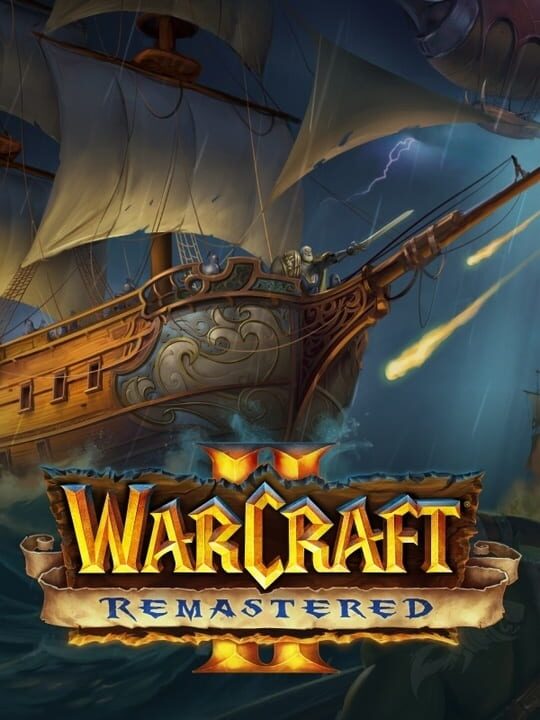
Warcraft II: Remastered
Remaster
RELEASED
7.1
Nov 13, 2024
PC (Microsoft Windows)byBlizzard Entertainment
Part of: Warcraft II: Tides of Darkness
Overview:|
Warcraft II: Remastered is a 2024 Real Time Strategy (RTS) modernization of the 1995 classic, preserving the core conflict between the Orcs and Humans. Gameplay involves base building, resource management, and tactical combat where players command both land armies and crucial naval fleets. This version features vivid, all-new visuals and modernized controls while maintaining the original strategic balance and campaign structure.
This is a definitive Real-Time Strategy experience, originally released in 1995, now presented as a full remaster for PC (Microsoft Windows) in late 2024. The core conflict remains the epic struggle between the Orcish Horde and the Human Alliance, a war that spans continents and oceans. Players take on the role of great tacticians, commanding armies and fleets in a fight for global dominance. The atmosphere is one of high-stakes military confrontation where strategic thinking and resource management are paramount to survival.
Core Gameplay and Setting
The game centers on classic RTS mechanics: base building, resource gathering (gold and lumber), unit production, and tactical combat across a persistent map. A key element distinguishing this title is the emphasis on naval warfare; players must build and command extensive fleets of ships to control sea lanes, launch amphibious assaults, and engage enemy navies directly. The setting plunges players into the early stages of the Second War, where the fate of the world hinges on mastering both land and sea engagements.
What are the major enhancements in this remaster?
This 2024 remaster focuses heavily on modernizing the presentation while preserving the original strategic depth. The most significant updates include:
- Vivid, All-New Visuals: The graphics have been completely overhauled, offering high-definition fidelity that revitalizes the classic units, buildings, and environments.
- Modernized Controls: The interface and control scheme have been updated to align with contemporary RTS standards, improving unit selection, pathfinding, and overall responsiveness for PC players.
- Enhanced Audio: Sound effects and musical scores have been remastered to deliver a richer, more immersive auditory experience without altering the iconic compositions.
Preservation Versus Change
The developers have aimed for a faithful recreation of the original experience. The fundamental campaign structure, unit balance, and core strategic challenges of the 1995 title are preserved. This is not a reimagining but a modernization of the classic formula.
What content is included in the base release?
The current release includes the complete content from the original base game, Tides of Darkness, and its subsequent content additions. There are currently no announced or released Downloadable Content (DLC) packs or separate expansions available for this remastered version.
How does this version handle tactical command?
Success in this title requires mastering combined arms warfare. Players must effectively manage their economy to fuel the production of diverse military units, ranging from foot soldiers and cavalry to powerful siege weaponry and naval vessels. The strategic depth comes from understanding unit counters and leveraging terrain and water access to outmaneuver an opponent. The campaign progression challenges players to adapt their strategies as new technologies and unit types become available.
Game Details
Primary Name: Warcraft II: Remastered
Type: Remaster
Part of: Warcraft II: Tides of Darkness
Series: Warcraft
Developer: Blizzard Entertainment
Publisher: Blizzard Entertainment
Release Information
Release Date: Nov 13, 2024
Genres & Themes
Genres: Real Time Strategy (RTS)
Themes: Fantasy
Platforms
PC (Microsoft Windows)
Game Modes
Perspective: Unknown
Player Modes: Single-player
Age Ratings
ESRB:T (Teen)

 Soren
Soren