
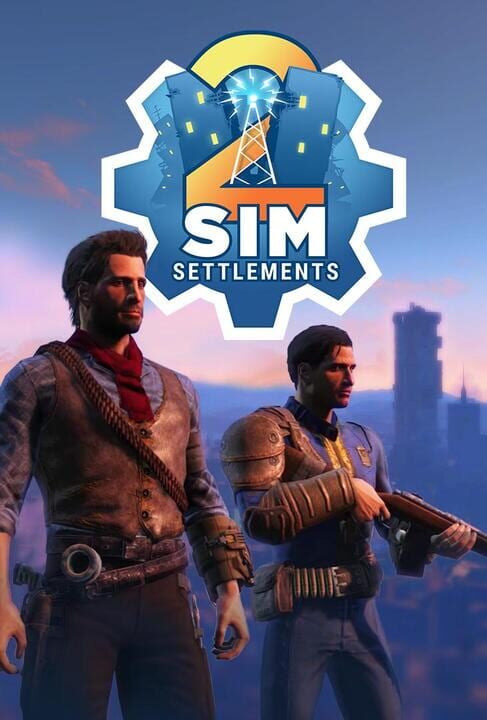
Sim Settlements 2
Overview:|
Sim Settlements 2, released in 2020, significantly expands settlement management by integrating deep, story-driven content. The core gameplay loop involves developing and growing player-managed communities through an enhanced building system, guided by fully voiced, branching narratives presented across multiple chapters. This title appeals to players seeking a blend of city-building mechanics interwoven with an ongoing, structured plotline.
This title enhances the base game's settlement building mechanics by integrating a structured, story-driven experience. Players take on the role of managing and expanding numerous communities across the wasteland, moving beyond simple resource gathering into directed development guided by narrative progression.
Core Gameplay Loop and Mechanics
The central activity involves the deep expansion and management of player-built settlements. Unlike standard building mechanics, this system introduces structured development paths, where the growth of a community is tied to specific objectives and technological unlocks presented through the narrative.
Players will engage in resource allocation, infrastructure placement, and population management, but with added layers of complexity. The system encourages specialization within settlements, requiring strategic decisions on what type of community hub each location will become—be it industrial, agricultural, or defensive.
Narrative Integration and Progression
A distinctive feature is the integration of a multi-chapter, fully voiced storyline that directly influences settlement growth. You will interact with various characters who provide quests and objectives that drive the overarching plot forward. These narrative branches often require specific settlement configurations or resource outputs to proceed.
The progression is chapter-based, meaning the game unfolds over several distinct story arcs, each introducing new challenges, building components, and narrative choices that impact the world state.
What makes the settlement system unique?
The uniqueness lies in the narrative scaffolding placed around the building mechanics. Instead of emergent storytelling through sandbox building, the game provides directed goals. This transforms the typically open-ended settlement genre into a more guided, RPG-like experience where your building choices have immediate, story-relevant consequences.
Current State and Community Reception
Released in late 2020, the game has seen continuous support focused on refining the existing narrative chapters and expanding the available building assets and system interactions. Community feedback often highlights the depth added by the voiced questlines, though some discussions center on balancing the pacing between narrative delivery and core building management.
Game Details
Primary Name: Sim Settlements 2
Alternative Names:
SS2 (Abbreviation)
Type: Mod
Part of: Fallout 4
Developer: Unknown
Publisher: Unknown
Release Information
Release Date: Oct 23, 2020
Genres & Themes
Genres: Shooter, Role-playing (RPG), Strategy
Platforms
PC (Microsoft Windows)
Game Modes
Perspective: First person
Player Modes: Single-player

 Soren
Soren