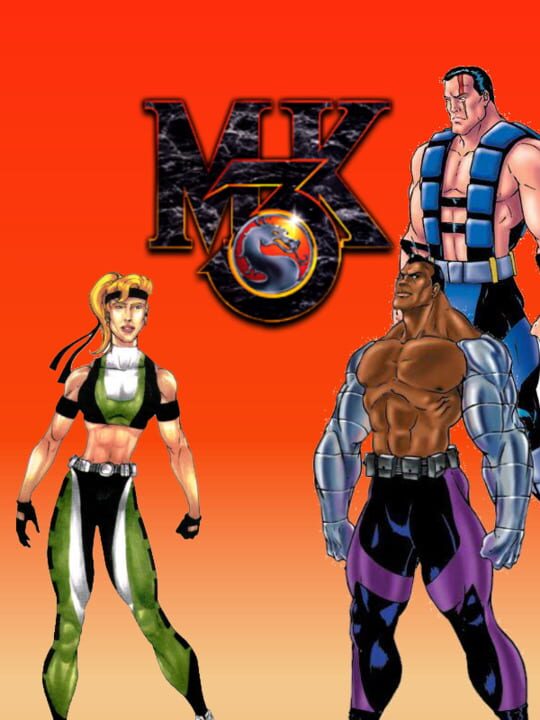
Mortal Kombat 3
Overview:|
As a 1995 port for the R-Zone handheld, this version of Mortal Kombat 3 offers a highly simplified fighting experience tailored to the unique hardware limitations of that system. You engage in one-on-one martial arts combat, focusing on the core mechanics of the series. Its defining feature is its existence as a dedicated, streamlined adaptation of the arcade classic for a portable device of the era, featuring drastically reduced graphics and scope compared to its main counterparts.
This title is a Port of the iconic fighting game, originally released in 1995 for the Tiger Electronics R-Zone handheld system. As an adaptation, it translates the core concept of one-on-one martial arts combat onto hardware with significant technical limitations compared to its arcade or console counterparts. The experience is fundamentally rooted in the dark, competitive atmosphere of the source material, focusing on the essential mechanics of the fighting genre within the constraints of the R-Zone platform.
Core Gameplay Loop on the R-Zone
The gameplay centers on competitive fighting matches. Players engage in battles utilizing the control scheme specific to the R-Zone device. Due to the hardware limitations of this mid-1990s handheld, the experience is highly streamlined. The focus shifts to executing basic attacks and defensive maneuvers, emphasizing timing and fundamental input recognition over the complex combo systems found in other iterations of the franchise.
What is the significance of this specific Port?
The primary feature distinguishing this version is its platform: the R-Zone. This results in drastically reduced graphical fidelity and a simplified feature set compared to the main entries in the series. The value proposition of this specific release lies in providing a portable, albeit simplified, version of the established fighting game universe on a unique piece of dedicated hardware from that era.
Current State and Content Availability
As this is a fixed port released in 1995, there are no ongoing updates, downloadable content, expansions, remakes, or remasters associated with this specific R-Zone version. The experience delivered upon its initial release represents the complete and final content available for this platform adaptation.
Audience Appeal for this Adaptation
This version is primarily of interest to collectors or enthusiasts interested in the history of handheld gaming hardware and the breadth of adaptations made for the R-Zone system. It offers a glimpse into how major arcade titles were scaled down to fit the technical specifications of specialized portable devices.
How does this version relate to the original fighting game?
While sharing the lineage and basic premise of competitive fighting, this R-Zone port strips away many of the complex graphical elements, extensive character rosters, and detailed move sets present in the original arcade version. It serves as a minimalist interpretation of the core fighting structure.
Game Details
Primary Name: Mortal Kombat 3
Type: Port
Part of: Mortal Kombat 3
Series: Mortal Kombat
Developer: Tiger Electronics
Publisher: Tiger Electronics, Gig, Tec Toy
Release Information
Release Date: Dec 31, 1995
Genres & Themes
Genres: Fighting
Themes: Action
Platforms
R-Zone
Game Modes
Perspective: Side view
Player Modes: Single-player
Game Modes: Single player
Videos
No videos available for this game.
 Soren
Soren