
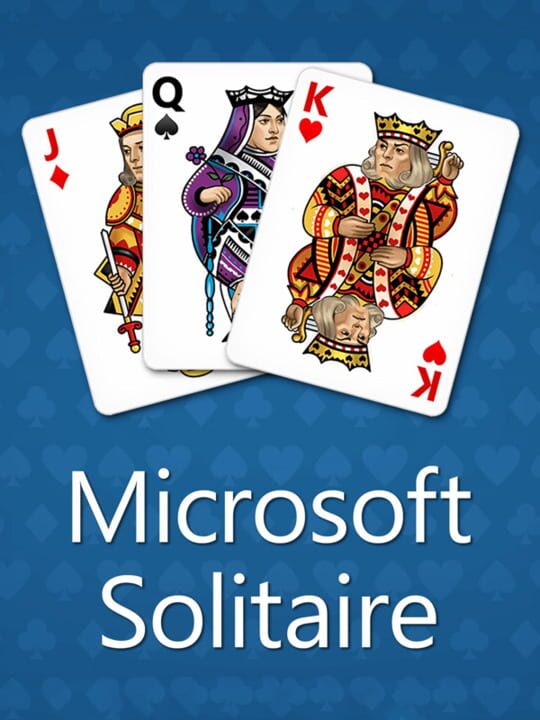
Microsoft Solitaire
Remake
RELEASED
4.3
Jan 30, 2007
PC (Microsoft Windows)byOberon Media•Microsoft
Part of: Microsoft Solitaire
Overview:|
This 2007 PC remake of Microsoft Solitaire preserves the classic Card & Board Game mechanics of sorting cards into foundation piles, offering a faithful recreation updated for Windows Vista/7 systems. Developed by Oberon Media and published by Microsoft, it focuses on modernizing the interface and visuals while retaining the core, familiar gameplay loop without any added DLC or expansions.
This title is a modern iteration of the classic digital card game, originally bundled with operating systems. Released in 2007 for PC (Microsoft Windows), this version serves as a direct remake, aiming to update the familiar experience for contemporary users. As a Card & Board Game, its core appeal remains rooted in the established rules and mechanics that have defined the genre for decades.
Core Experience and Platform Availability
This specific release is a remake designed to bring the beloved solitaire experience to systems running Windows Vista and Windows 7. It adheres closely to the established framework of the original, focusing on providing a polished and accessible version of the game.
The game is available exclusively on PC, running on the Microsoft Windows operating system. It was developed by Oberon Media and published by Microsoft.
What are the key differences from the original Solitaire?
As a remake, the primary focus was on modernization rather than reinvention. While the fundamental gameplay—the objective of sorting cards into foundation piles—is preserved, players can expect visual and potentially audio enhancements appropriate for the 2007 release era. This typically involves updated graphical assets and interface elements compared to the earliest iterations of the game.
The design philosophy appears to be one of fidelity; it aims to be a faithful recreation of the established standard, ensuring that long-time players will find the mechanics immediately recognizable. Any changes are generally focused on improving the user experience within the context of the operating system it launched alongside.
Content Availability
This version of the game does not feature any downloadable content (DLCs) or official expansions. The content package is self-contained, offering the core, classic solitaire experience without additional purchasable content.
How does this version handle gameplay modernization?
Modern remakes often introduce quality-of-life improvements. For this title, modernization likely centers on interface responsiveness, potentially improved card animations, and integration with the operating system's visual themes of the time. The core mechanics, such as drawing one or three cards, and the standard layout of the tableau, remain the preserved elements central to the game's identity.
Game Details
Primary Name: Microsoft Solitaire
Type: Remake
Part of: Microsoft Solitaire
Developer: Oberon Media
Publisher: Microsoft
Release Information
Release Date: Jan 30, 2007
Genres & Themes
Genres: Card & Board Game
Platforms
PC (Microsoft Windows)
Game Modes
Perspective: Unknown
Player Modes: Single-player
Game Modes: Single player
Videos
No videos available for this game.
 Soren
Soren