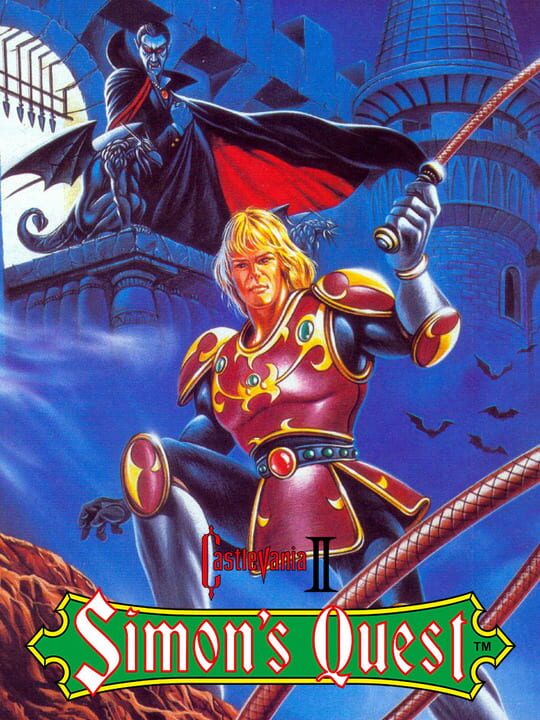
Castlevania II: Simon's Quest
Port
RELEASED
Dec 31, 1988
Handheld Electronic LCDbyTiger Electronics
Part of: Castlevania II: Simon's Quest
Overview:|
This 1988 release is a Port of Castlevania II: Simon's Quest, specifically developed by Tiger Electronics for Handheld Electronic LCD platforms. As an Adventure title, the core gameplay loop involves navigating challenges distilled for dedicated electronic hardware, offering a self-contained experience noted for having greater depth than typical LCD games of that era. The value proposition lies in its focused, portable rendition of the source material.
This title is a Port originating from 1988, specifically an electronic adaptation developed by Tiger Electronics for Handheld Electronic LCD platforms. It is based on the adventure game, Castlevania II: Simon's Quest. The core value proposition of this version lies in its dedicated hardware format, offering a self-contained, portable experience that distills the adventure elements into the constraints of LCD technology. While similar to other LCD watch games of the era, this iteration is specifically noted for possessing a greater degree of depth within its electronic framework.
What is the core gameplay loop on this handheld platform?
The gameplay adheres to the adventure genre, translated for the specific input and output limitations of the dedicated electronic hardware. Players navigate challenges presented through the segmented LCD display, engaging with the thematic elements of the source material. Success relies on mastering the specific mechanics dictated by the hardware's design, making the interaction a focused, strategic exercise within defined electronic boundaries.
Platform Context and Design Constraints
As a Port designed for Handheld Electronic LCD devices, the experience is inherently different from its console origins. This version prioritizes quick, accessible play sessions suitable for portable use. The visual presentation and control scheme are entirely dictated by the capabilities of the LCD screen technology prevalent at the time of its release, offering a distinct mechanical challenge compared to traditional video game consoles.
What distinguishes this electronic version from other similar handheld titles?
The primary distinguishing feature, as noted in its design, is the inclusion of greater depth compared to typical, simpler LCD electronic games. This suggests a more involved progression or set of interactions than standard single-screen arcade adaptations, attempting to capture more of the adventure structure within the hardware's limitations.
Content Availability and Version Status
This specific release is a standalone product. There are no associated downloadable content packs, expansions, or official remasters or remakes tied to this particular Tiger Electronics LCD version. The content available is fixed to what was included in the original 1988 hardware package.
Community Reception and Current Relevance
Community reception for this specific port often centers on its historical significance as an example of early handheld adaptation. Its current relevance is primarily archival, appreciated by collectors and enthusiasts interested in how classic console adventures were translated onto dedicated electronic platforms of that generation. The focus remains on the unique mechanical interpretation provided by the developer, Tiger Electronics.
Game Details
Primary Name: Castlevania II: Simon's Quest
Alternative Names:
Electronic Castlevania II: Simon's Quest (Alternative title)
Electronic Castlevania II: Simon's Quest LCD Video Game (Alternative title)
Type: Port
Part of: Castlevania II: Simon's Quest
Series: Castlevania
Developer: Tiger Electronics
Publisher: Tiger Electronics, Sega
Release Information
Release Date: Dec 31, 1988
Genres & Themes
Genres: Adventure
Themes: Action, Horror
Platforms
Handheld Electronic LCD
Game Modes
Perspective: Side view
Player Modes: Single-player
Game Modes: Single player
Videos
No videos available for this game.
 Soren
Soren