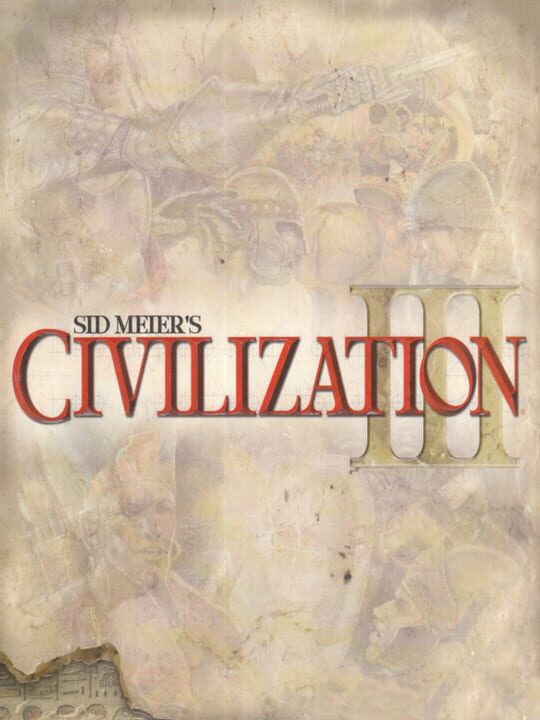
Sid Meier's Civilization III
Main Game
RELEASED
8.0
30 жовт. 2001 р.
PC (Microsoft Windows)MacbyFiraxis Games•MacSoft Games
Огляд:|
{"overview":"
Sid Meier's Civilization III — це покрокова стратегія, що вийшла у 2001 році, де ви керуєте цивілізацією від зародження до сучасності. Основний цикл гри полягає у розвитку міст, збалансуванні інфраструктури, технологічному прогресі, культурі та військовій потужності. Успіх вимагає ретельного управління ресурсами, дипломатії та розширення імперії через вплив міст. Гра вимагає комплексного підходу до управління державою, а не лише військового домінування.
","tokens":{"input":2280,"output":137,"total":2417}}{"overview":"
\n
\n\nЦя покрокова стратегія, випущена у 2001 році для платформ ПК (Microsoft Windows) та Mac, є ключовим етапом у жанрі глобальних стратегій. Гра ставить гравця на чолі цілої цивілізації, вимагаючи керувати її розвитком, починаючи з епохи зародження писемності та продовжуючи аж до сучасності й далі. Основна мета полягає у створенні та плеканні імперії, яка будується навколо мережі міст. Ці міста є центрами генерації ресурсів, будівництва та технологічного прогресу. Успіх вимагає ретельного балансування між кількома критичними сферами: розвитком інфраструктури, управлінням ресурсами, дипломатією, торгівлею, культурним зростанням та військовою потужністю.
\nОсновний ігровий цикл та управління імперією
\nЯдром ігрового процесу є управління містами та експансія. Гравці повинні стратегічно розміщувати та розвивати свої поселення, щоб максимізувати виробництво життєво важливих ресурсів. Ці ресурси живлять будівництво міських покращень, створення світових Чудес та набір і утримання військових підрозділів. Кожне місто має свою зону впливу, і розширення цієї зони через культуру є не менш важливим, ніж військове завоювання.
\n\nТехнологічний розвиток та культура
\nЗначною складовою досвіду є навігація по розгалуженому технологічному дереву. Прогрес у науці відкриває нові можливості, будівлі та юніти, кардинально змінюючи траєкторію розвитку цивілізації. Крім того, гра включає культурний вимір, де вплив, що випромінюється з існуючих міст, розширює межі імперії та закріплює території.
\n\nЯкі особливості виділяють цю гру в жанрі?
\nГра відрізняється глибокою зосередженістю на взаємозв'язку різних суспільних систем. Це не виключно гра про військове завоювання; вона вимагає цілісного підходу до управління. Гравці мусять постійно зважувати нагальні потреби армії проти довгострокових інвестицій у науку, інфраструктуру та культурне домінування.
\n\nМеханіки дипломатії та торгівлі
\nВзаємодія з цивілізаціями-суперниками є критично важливою. Гравці беруть участь у складних дипломатичних переговорах, укладаючи союзи, оголошуючи суперництво та встановлюючи торговельні угоди. Ефективне управління цими міжнародними відносинами може забезпечити життєво важливі ресурси або запобігти дорогим конфліктам.
\n\nЯк відбувається ігровий процес?
\nЯк покрокова стратегія, гра забезпечує гравцям достатньо часу для обмірковування ходів, планування на кілька етапів уперед та методичного реагування на мінливий глобальний ландшафт. Атмосфера гри — це масштабне історичне моделювання, де кожне рішення, від вибору місця для нового міста до дослідження нової форми правління, має довготривалі наслідки для долі цивілізації.
\n\nЯкі доступні доповнення для цього проєкту?
\nХоча базова гра є самодостатнім досвідом, цей проєкт отримав два офіційні розширення (експансії), які додають глибини та складності до основних механік, вводячи нові функції, юніти та виклики в історичний масштаб.
","tokens":{"input":2474,"output":911,"total":3385}}Game Details
Primary Name: Sid Meier's Civilization III
Alternative Names:
Civ 3 (Acronym)
Civilization 3 (Abbreviation)
Civilization III (Abbreviation)
Civ III (Abbreviation)
Type: Main Game
Series: Civilization
Developer: Firaxis Games, Westlake Interactive
Publisher: MacSoft Games, Infogrames
Release Information
Release Date: жовт. 30, 2001
Genres & Themes
Genres: Simulator, Strategy, Turn-based strategy (TBS)
Themes: Educational, 4X (explore, expand, exploit, and exterminate), Fantasy, Historical
Platforms
PC (Microsoft Windows)Mac
Game Modes
Perspective: Bird view / Isometric
Player Modes: Single-player
Game Modes: Single player
Age Ratings
ESRB:E (Everyone)
 Soren
Soren