
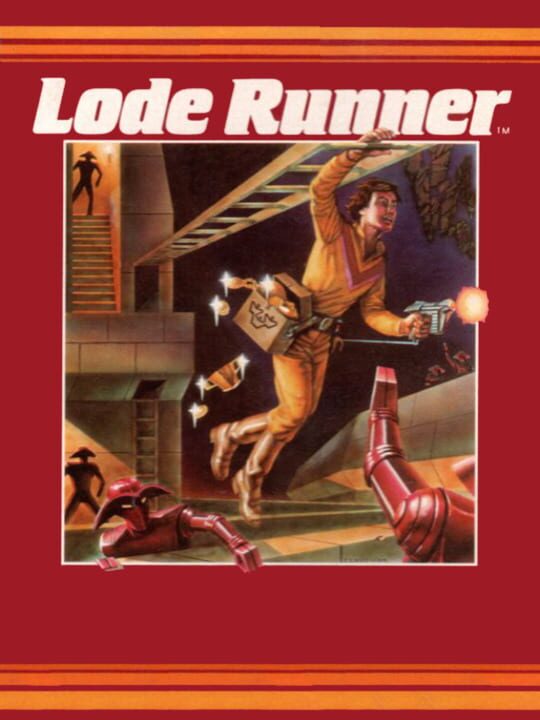
Lode Runner
Main Game
RELEASED
7.7
30 ต.ค. 2526
DOSSharp X1+18byBrøderbund Software•SystemSoft
ภาพรวม:|
{"overview":"
Lode Runner (1983) คือเกมพัซเซิลแพลตฟอร์มคลาสสิก ที่คุณต้องเก็บทองคำทั้งหมดในฉากที่เต็มไปด้วยยามที่ไล่ล่า การเล่นหลักคือการเคลื่อนที่อย่างมีกลยุทธ์และขุดหลุมเพื่อดักศัตรู จุดเด่นคือมีเครื่องมือสร้างด่าน (Level Editor) ให้ผู้เล่นออกแบบความท้าทายเองได้ ทำให้มีอายุการเล่นยาวนาน แม้ไม่มี DLC แต่ก็มีการรีเมคหลายครั้งเพื่อนำเสนอประสบการณ์ดั้งเดิมบนหลายแพลตฟอร์ม
","tokens":{"input":2671,"output":135,"total":2806}}{"overview":"
\nเกมนี้เป็นผลงานคลาสสิกที่วางจำหน่ายครั้งแรกในปี 1983 จัดอยู่ในประเภทเกมแนวแพลตฟอร์มผสมผสานกับปริศนา ผู้เล่นจะรับบทเป็นนักวิ่งที่ต้องเก็บสะสมทองคำทั้งหมดในฉากที่มีโครงสร้างซับซ้อนและจำกัดพื้นที่ โดยมีเป้าหมายหลักคือการหลบหนีการไล่ล่าจากยามที่ปรากฏตัวอยู่ตลอดเวลา การเคลื่อนไหวอย่างมีกลยุทธ์และการจัดการสภาพแวดล้อมคือหัวใจสำคัญในการเอาชีวิตรอด\n
\n\nกลไกการเล่นหลัก
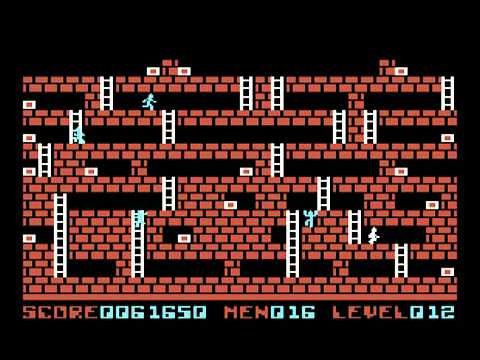
\nวงจรการเล่นของเกมนี้เน้นไปที่ความแม่นยำในการกะจังหวะและการใช้เหตุผลเชิงพื้นที่ ผู้เล่นจะต้องเคลื่อนที่ผ่านโครงสร้างหลายชั้น ปีนบันได และเดินบนคานเพื่อเข้าถึงทองคำที่กระจัดกระจายอยู่ กลไกสำคัญที่ผู้เล่นต้องใช้คือ การขุดหลุม ในพื้นดิน ซึ่งสามารถใช้ดักศัตรูที่กำลังไล่ล่าได้ชั่วคราว ทำให้ผู้เล่นมีโอกาสในการหลบหนีหรือจัดตำแหน่งใหม่ อย่างไรก็ตาม การขุดต้องทำอย่างมีกลยุทธ์ เนื่องจากศัตรูสามารถปีนออกจากหลุมเหล่านั้นได้หลังจากผ่านไปช่วงเวลาสั้นๆ
\n\nบรรยากาศของเกมสร้างความรู้สึกของการนำทางอย่างโดดเดี่ยวภายใต้แรงกดดันจากศัตรูที่มุ่งมั่น แม้ว่าแนวคิดหลักจะเรียบง่าย—เก็บทองและไปยังฉากถัดไป—แต่ความซับซ้อนที่เพิ่มขึ้นของเลย์เอาต์ฉากและรูปแบบการเคลื่อนที่ของศัตรูจะมอบความท้าทายอย่างต่อเนื่อง
\n\nอะไรคือสิ่งที่ทำให้เกมนี้แตกต่าง?
\nหนึ่งในคุณสมบัติที่โดดเด่นที่สุดซึ่งทำให้เกมนี้แตกต่างจากเกมอื่นในยุคแรกคือการรวมเอา โปรแกรมสร้างด่าน (Level Editor) ที่มีความสามารถมาไว้ในตัวเกมด้วย เครื่องมือนี้อนุญาตให้ผู้เล่นออกแบบและสร้างความท้าทายที่ไม่เหมือนใครของตนเอง ซึ่งช่วยขยายอายุการใช้งานและความสามารถในการเล่นซ้ำของเกมให้เหนือกว่าเนื้อหาที่ถูกกำหนดไว้ล่วงหน้า คุณสมบัตินี้ได้ส่งเสริมให้เกิดชุมชนที่ผู้เล่นแบ่งปันและแข่งขันกันเพื่อสร้างด่านที่ซับซ้อนหรือยากที่สุด
\n\nองค์ประกอบปริศนาทำงานอย่างไร?
\nองค์ประกอบของปริศนาเกิดขึ้นจากการบริหารจัดการรูปแบบการเคลื่อนที่ของยามควบคู่ไปกับการกระทำที่จำกัดของผู้เล่น ศัตรูจะตอบสนองต่อการปรากฏตัวของผู้เล่นอย่างคาดเดาได้ แต่เลย์เอาต์ของแพลตฟอร์มและการวางตำแหน่งกับดัก (หลุมที่ผู้เล่นขุด) จะเป็นตัวกำหนดเส้นทางที่เหมาะสมที่สุด การผ่านด่านให้สำเร็จมักจะต้องอาศัยการแก้ปริศนาตามลำดับขั้นตอน โดยการล่อให้ยามเข้าไปอยู่ในตำแหน่งที่กำหนดก่อนที่จะเก็บชิ้นส่วนทองคำชิ้นสุดท้าย
\n\nความพร้อมใช้งานของแพลตฟอร์มและเนื้อหาเพิ่มเติม
\nเกมหลักนี้ได้รับการเผยแพร่ซ้ำแล้วซ้ำอีกบนแพลตฟอร์มที่หลากหลาย รวมถึง DOS, คอมพิวเตอร์ส่วนบุคคลของญี่ปุ่นหลายรุ่น (เช่น PC-9800 Series, Sharp X1), เครื่องคอนโซลคลาสสิกอย่าง Atari 8-bit และ Commodore 64 รวมถึงฮาร์ดแวร์อาร์เคด นอกจากนี้ยังปรากฏบนแพลตฟอร์มที่ใหม่กว่าอย่าง Windows Phone ด้วย
\n\nสำหรับเนื้อหาเพิ่มเติม ณ ปัจจุบัน ไม่มี DLC หรือส่วนขยายอย่างเป็นทางการ ที่เกี่ยวข้องกับการเปิดตัวหลักนี้ อย่างไรก็ตาม ตัวเกมหลักนี้ได้มีการสร้างใหม่ (Remakes) อย่างเป็นทางการหลายครั้งตลอดหลายปีที่ผ่านมา ซึ่งนำเสนอการตีความแนวคิดดั้งเดิมในรูปแบบที่ปรับปรุงใหม่
","tokens":{"input":2863,"output":897,"total":3760}}Game Details
Primary Name: Lode Runner
Type: Main Game
Series: Lode Runner
Developer: Brøderbund Software, Irem, Brøderbund Software
Publisher: SystemSoft, Brøderbund Software, Software Projects, Microsoft Studios, Sony, Banpresto, Soft Pro International, Sega Enterprises, Ltd., Irem
Release Information
Release Date: ต.ค. 30, 2526
Genres & Themes
Genres: Platform, Puzzle
Themes: Action, Science fiction
Platforms
DOSSharp X1Atari 8-bitPC-9800 SeriesPC-8800 SeriesCommodore C64/128/MAXFM-7NEC PC-6000 SeriesWonderSwanBBC Microcomputer SystemCommodore VIC-20Windows PhoneSG-1000ZX SpectrumMSXAmstrad CPCArcadeAtari ST/STEApple IIMac
Game Modes
Perspective: Side view
Player Modes: Offline Co-op, Online Co-op, Multiplayer
Game Modes: Single player
Age Ratings
ESRB:E (Everyone)
PEGI:12+
 Soren
Soren