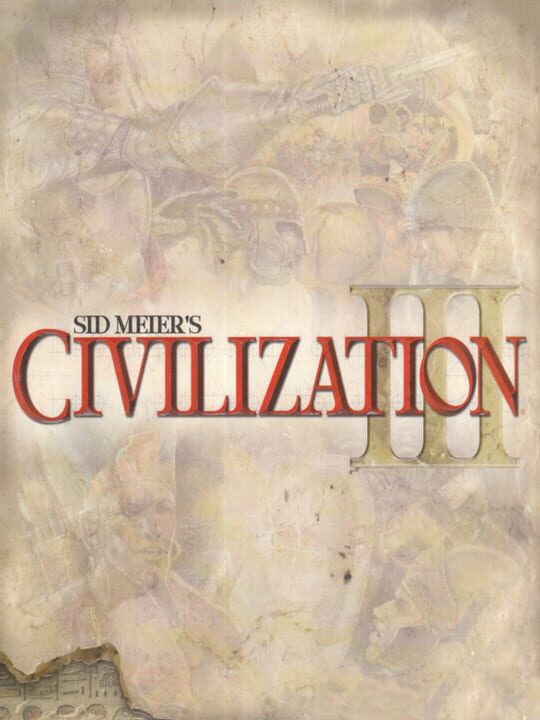
Sid Meier's Civilization III
Main Game
RELEASED
8.0
30 okt. 2001
PC (Microsoft Windows)MacbyFiraxis Games•MacSoft Games
Översikt:|
{"overview":"
Sid Meier's Civilization III är ett turordningsbaserat strategispel från 2001 där du bygger ett imperium från historiens gryning. Kärnan i spelet är att hantera städer för resurser, bygga förbättringar och forska fram ny teknik. Framgång kräver balans mellan infrastruktur, diplomati, kultur och militär makt. Spelare måste strategiskt navigera i en komplex värld där varje beslut påverkar civilisationens långsiktiga öde. Spelet har fått två officiella expansioner som fördjupar mekaniken.
","tokens":{"input":2252,"output":129,"total":2381}}{"overview":"
\n
\n\nDetta är ett grundläggande spel inom genren turordningsbaserad strategi (TBS), ursprungligen släppt 2001 för PC (Microsoft Windows) och Mac. Spelet placerar spelaren i rollen som ledare för en hel civilisation, med uppgiften att styra dess utveckling från historiens gryning fram till modern tid och vidare. Målet är att etablera och vårda ett imperium centrerat kring städer, vilka fungerar som nav för resursgenerering, konstruktion och teknologisk utveckling. Framgång kräver en noggrann balansgång mellan infrastruktur, resursförvaltning, diplomati, handel, kulturell expansion och militär styrka.
\nKärnspel och Imperiebyggande
\nDen primära spelcykeln kretsar kring stadsförvaltning och territoriell expansion. Spelare måste strategiskt placera och utveckla sina städer för att maximera utbytet av nödvändiga resurser. Dessa resurser driver konstruktionen av stadsförbättringar, skapandet av monumentala Världsvunder (Wonders) och rekryteringen samt underhållet av militära enheter. Varje stad har ett specifikt inflytandeområde vars storlek och effektivitet är direkt kopplad till stadens kulturpoäng.
\n\nTeknologisk Utveckling och Kultur
\nEn betydande del av upplevelsen är att navigera i ett omfattande teknologiskt träd. Vetenskapliga framsteg låser upp nya förmågor, enheter och byggnader, vilket fundamentalt förändrar civilisationens bana. Spelet integrerar även ett kulturelement; den kulturella spridningen från etablerade städer expanderar imperiets gränser och säkrar territorium. Spelaren måste hantera befolkningens lycka och tillväxt för att säkerställa att både produktion och vetenskap kan upprätthållas.
\n\nVad utmärker detta spel inom sin genre?
\nSpelet särskiljer sig genom sitt djupa fokus på sammankopplingen mellan olika samhällssystem. Det är inte enbart ett spel om militär erövring, utan kräver ett holistiskt synsätt på styre. Spelare måste ständigt väga de omedelbara behoven hos sin militär mot långsiktiga investeringar i vetenskap, infrastruktur och kulturell dominans. Detta skapar komplexa strategiska dilemman.
\n\nDiplomati och Handelsmekaniker
\nInteraktion med rivaliserande civilisationer är avgörande. Spelare deltar i komplexa diplomatiska förhandlingar, där allianser kan bildas, rivaliteter utropas och handelsavtal sluts. Att hantera dessa internationella relationer effektivt kan säkra vitala resurser eller förhindra kostsamma konflikter. Handel med resurser mellan egna städer och med andra nationer är centralt för att upprätthålla en diversifierad ekonomi.
\n\nHur upplevs spelet?
\nSom ett turordningsbaserat strategispel tillåter tempot spelaren gott om tid att överväga sina drag, planera flera turer framåt och metodiskt reagera på det föränderliga globala landskapet. Atmosfären präglas av en storskalig historisk simulering, där varje beslut – från placeringen av en ny stad till forskningen om en ny styrelseform – får bestående konsekvenser för civilisationens öde.
\n\nVilka tillägg finns tillgängliga?
\nBasversionen utgör en komplett upplevelse, men titeln har kompletterats med två officiella expansioner. Dessa tilläggspaket fördjupar och adderar komplexitet till kärnmekaniken, introducerar nya funktioner, enheter och utmaningar till den historiska tidslinjen.
","tokens":{"input":2446,"output":911,"total":3357}}Game Details
Primary Name: Sid Meier's Civilization III
Alternative Names:
Civ 3 (Acronym)
Civilization 3 (Abbreviation)
Civilization III (Abbreviation)
Civ III (Abbreviation)
Type: Main Game
Series: Civilization
Developer: Firaxis Games, Westlake Interactive
Publisher: MacSoft Games, Infogrames
Release Information
Release Date: okt. 30, 2001
Genres & Themes
Genres: Simulator, Strategy, Turn-based strategy (TBS)
Themes: Educational, 4X (explore, expand, exploit, and exterminate), Fantasy, Historical
Platforms
PC (Microsoft Windows)Mac
Game Modes
Perspective: Bird view / Isometric
Player Modes: Single-player
Game Modes: Single player
Age Ratings
ESRB:E (Everyone)
 Soren
Soren