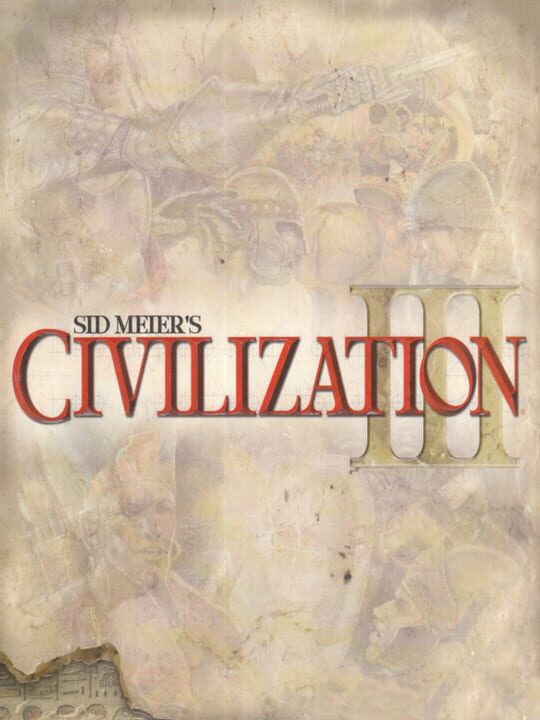
Sid Meier's Civilization III
Main Game
RELEASED
8.0
30 paź 2001
PC (Microsoft Windows)MacbyFiraxis Games•MacSoft Games
Przegląd:|
{"overview":"
Sid Meier's Civilization III to turowa strategia (TBS) z 2001 roku, gdzie kierujesz cywilizacją od zarania dziejów. Rdzeń rozgrywki to budowanie imperium wokół miast, zarządzanie zasobami, postęp technologiczny i ekspansja kulturowa. Sukces wymaga balansowania infrastruktury, dyplomacji, handlu i siły militarnej. Gra kładzie nacisk na holistyczne zarządzanie państwem, a nie tylko podbój. Dostępne są dodatki rozszerzające mechaniki.
","tokens":{"input":2254,"output":132,"total":2386}}{"overview":"
\n
\n\nTen tytuł, wydany w 2001 roku na platformy PC (Microsoft Windows) oraz Mac, stanowi fundamentalną odsłonę gatunku turowych strategii. Gracz wciela się w rolę przywódcy cywilizacji, mając za zadanie poprowadzić swój lud od zarania dziejów aż po erę współczesną i dalej. Główny cel koncentruje się na budowaniu i pielęgnowaniu imperium, którego sercem są miasta, stanowiące centra generowania zasobów, budowy oraz rozwoju technologicznego. Sukces wymaga precyzyjnego balansowania pomiędzy kluczowymi domenami: rozwojem infrastruktury, zarządzaniem zasobami, dyplomacją, handlem, wzrostem kulturowym oraz siłą militarną.
\nPodstawowa Pętla Rozgrywki i Zarządzanie Imperium
\n\nRdzeń rozgrywki opiera się na zarządzaniu miastami i ekspansji terytorialnej. Gracze muszą strategicznie rozmieszczać i rozwijać swoje osady, aby zmaksymalizować produkcję niezbędnych zasobów. Zasoby te zasilają budowę ulepszeń miejskich, wznoszenie monumentalnych Cudów Świata oraz rekrutację i utrzymanie jednostek wojskowych.
\n\nPostęp Technologiczny i Wpływ Kulturowy
\n\nIstotnym elementem doświadczenia jest nawigacja po rozbudowanym drzewku technologicznym. Rozwój wiedzy odblokowuje nowe możliwości, jednostki i budynki, fundamentalnie zmieniając trajektorię rozwoju cywilizacji. Ponadto, gra uwzględnia element kulturowy; wpływ promieniujący z założonych miast rozszerza granice imperium i zabezpiecza terytoria przed rywalami.
\n\nCo Wyróżnia Tę Grę w Swoim Gatunku?
\n\nGra odznacza się głębokim skupieniem na wzajemnym powiązaniu różnych systemów społecznych. Nie jest to wyłącznie gra o podbojach militarnych; wymaga holistycznego podejścia do zarządzania państwem. Gracze muszą nieustannie ważyć natychmiastowe potrzeby armii wobec długoterminowych inwestycji w naukę, infrastrukturę i dominację kulturową.
\n\nMechaniki Dyplomacji i Handlu
\n\nInterakcje z cywilizacjami rywalizującymi są kluczowe. Gracze angażują się w złożone negocjacje dyplomatyczne, zawierając sojusze, deklarując wrogość i ustanawiając umowy handlowe. Skuteczne zarządzanie relacjami międzynarodowymi może zapewnić kluczowe zasoby lub zapobiec kosztownym konfliktom.
\n\nJakie Są Dostępne Dodatki do Tego Tytułu?
\nChociaż podstawowa gra stanowi kompletne doświadczenie, tytuł ten otrzymał dwa oficjalne pakiety rozszerzeń, które dodają dalszej głębi i złożoności do podstawowych mechanik, wprowadzając nowe funkcje, jednostki i wyzwania do historycznego zakresu rozgrywki.
\n\nJak Przebiega Rozgrywka?
\nJako turowa strategia, tempo gry pozwala graczom na spokojne rozważenie swoich ruchów, zaplanowanie kilku tur do przodu i metodyczne reagowanie na ewoluujący globalny krajobraz. Atmosfera gry koncentruje się na wielkiej symulacji historycznej, gdzie każda decyzja, od wyboru miejsca pod nowe miasto po zbadanie nowej formy rządu, ma trwałe konsekwencje dla losu cywilizacji.
","tokens":{"input":2448,"output":878,"total":3326}}Game Details
Primary Name: Sid Meier's Civilization III
Alternative Names:
Civ 3 (Acronym)
Civilization 3 (Abbreviation)
Civilization III (Abbreviation)
Civ III (Abbreviation)
Type: Main Game
Series: Civilization
Developer: Firaxis Games, Westlake Interactive
Publisher: MacSoft Games, Infogrames
Release Information
Release Date: paź 30, 2001
Genres & Themes
Genres: Simulator, Strategy, Turn-based strategy (TBS)
Themes: Educational, 4X (explore, expand, exploit, and exterminate), Fantasy, Historical
Platforms
PC (Microsoft Windows)Mac
Game Modes
Perspective: Bird view / Isometric
Player Modes: Single-player
Game Modes: Single player
Age Ratings
ESRB:E (Everyone)
 Soren
Soren