
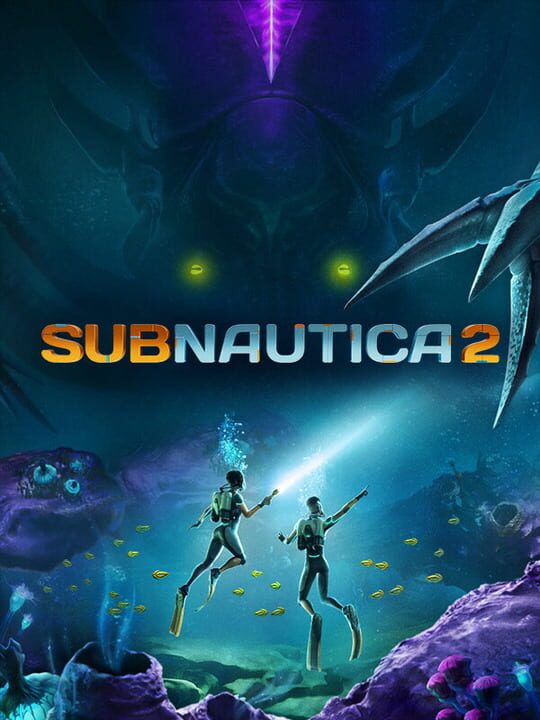
Since the Early Access launch, a vocal segment of the player base has been calling for more robust ways to fight back against the deep-sea terrors of the new alien world. However, the developers are standing their ground on the series' pacifist roots. In the recent community update, the team reaffirmed that the core design philosophy remains focused on vulnerability and exploration rather than turning the game into a traditional first-person shooter underwater.
Instead of giving us harpoon guns, the devs are focusing on making the existing survival tools actually work. We've all had those moments where a flare feels more like a dinner bell than a deterrent, and the team knows it. Upcoming patches over the next few weeks will specifically target predator aggression timing and aggro ranges. The goal is to make encounters feel fair and readable, ensuring that when you use a mitigation tool, it provides a satisfying window to escape.
The team also apologized for a lack of clear communication during these first few weeks of Early Access. They've committed to being more transparent about how player feedback influences the game's evolution. While the "no lethal combat" rule might frustrate some, the promised tweaks to tool effectiveness and creature AI should help restore that delicate balance between terrifying tension and manageable survival that made the first game a masterpiece.
How will these balance changes affect the meta?
By refining predator behavior, the meta will likely shift back toward high-mobility scouting and clever inventory management. If flares and the Survival Tool become more reliable, players can spend less time save-scumming after a surprise leviathan attack and more time building out those complex 4-player co-op bases. Expect these improvements to roll out in a series of iterative patches shortly.
 Soren
Soren