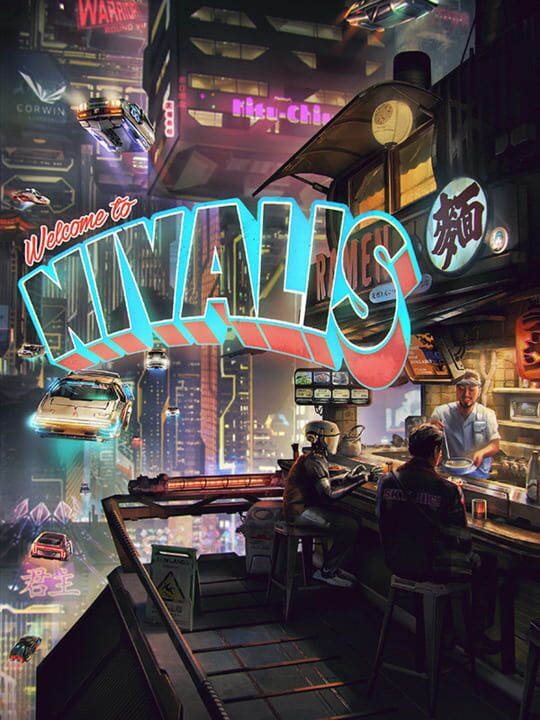
As we get closer to the late 2026 launch, ION LANDS has pulled back the curtain on the massive optimization efforts currently underway. For a game that blends deep life-sim mechanics with a massive voxel-based metropolis, performance is the silent killer. To combat this, the team has implemented what they call the "Ghost" system. This tiered simulation manages the thousands of citizens inhabiting the city by scaling their complexity based on proximity. Characters in other districts exist as light data, while those nearby but out of sight are partially simulated, ensuring the streets feel alive without crushing your frame rate.
To solve the micro-stutters often found in open-world RPGs, the developers are utilizing Object Pooling. Instead of the game constantly creating and destroying NPC assets as you walk down a neon-lit alley—which causes those annoying performance hiccups—it now recycles them from a pre-loaded pool. This technical wizardry is backed by a light probe overhaul that improves visual fidelity while actually reducing the hardware load.
Even the fishing mechanics are getting the high-tech treatment. Each fish is individually simulated with unique glowing effects, but to keep things efficient, they are rendered at a reduced resolution that maintains the aesthetic without the performance cost. With three separate QA teams across ION LANDS, 505 Games, and Quantic Lab currently stress-testing the build, the focus is clearly on making sure Nivalis is stable across a wide range of hardware at launch.
 Soren
Soren