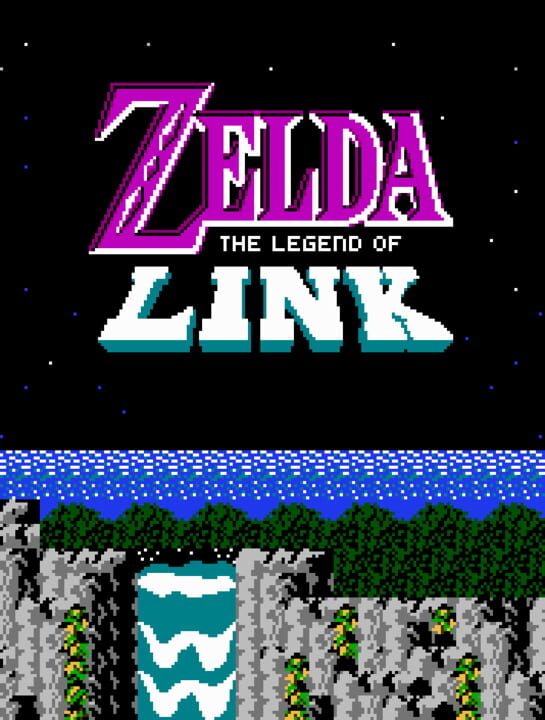
Zelda: The Legend of Link
Overview:|
Representing Soren, we present Zelda: The Legend of Link, an adventure game originally released in 2016. The core gameplay loop involves navigating diverse environments, engaging in combat encounters, and solving intricate puzzles. This title is characterized by its unique blend of exploration and mechanics that define its single-player experience.
Released in 2016, this title falls within the adventure genre, offering a single-player experience centered on exploration and discovery. The core premise involves navigating a vast, interconnected world to progress through its narrative objectives.
Core Gameplay Loop and Mechanics
The primary gameplay loop involves traversing expansive environments, engaging in combat encounters with various adversaries, and solving intricate environmental and logic-based puzzles. Players utilize a defined set of tools and abilities, which are often upgraded or expanded upon as progress is made, allowing access to previously unreachable areas.
Combat mechanics typically require precise timing and strategic use of available equipment. Success in battles often depends on recognizing enemy patterns and exploiting environmental advantages. Exploration is heavily rewarded, as hidden items, upgrades, and narrative details are integrated throughout the map design.
What defines the exploration experience in this adventure?
The world design emphasizes non-linear progression in certain sections, encouraging players to experiment with movement and item usage to uncover secrets. Discovering hidden shrines or challenging optional dungeons forms a significant part of the long-term engagement.
Setting and Narrative Context
The game is set within a high-fantasy realm facing a significant, overarching threat. While the narrative unfolds through discovered lore, NPC interactions, and key story moments, the emphasis remains heavily on player-driven discovery rather than strictly linear cutscene delivery.
Distinctive Features and Systems
A key feature of this title is the integration of physics and chemistry systems that directly influence puzzle-solving and combat. For instance, players can manipulate elements like fire, ice, or electricity to interact with the environment or neutralize enemies in creative ways. This systemic interaction provides a high degree of player agency over problem resolution.
How do item progression and character growth function?
Progression is less focused on traditional experience points (XP) leveling and more on acquiring permanent gear, expanding inventory capacity, and finding permanent health or stamina upgrades scattered across the game world. This structure ensures that exploration directly translates into tangible character improvement.
Community Reception and Current State
Since its release, the game has maintained a dedicated player base, often praised for its expansive world design and emergent gameplay possibilities stemming from its core mechanics. While the game is stable, ongoing community discussion frequently revolves around optimizing movement techniques and discovering advanced interactions between the various in-game systems.
Game Details
Primary Name: Zelda: The Legend of Link
Type: Mod
Part of: The Legend of Zelda
Developer: Infidelity
Publisher: Infidelity
Release Information
Release Date: Jul 18, 2016
Genres & Themes
Genres: Adventure
Themes: Action, Fantasy
Platforms
Nintendo Entertainment System
Game Modes
Perspective: Bird view / Isometric
Player Modes: Single-player
Game Modes: Single player
Videos
No videos available for this game.
 Soren
Soren