
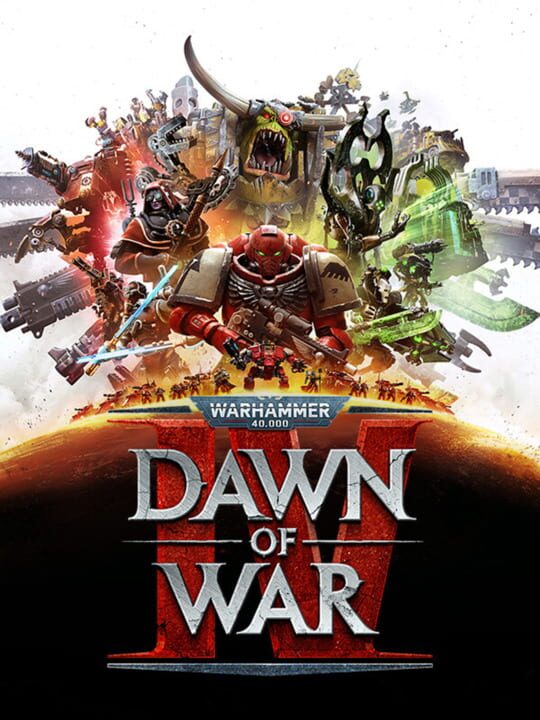
Warhammer 40,000: Dawn of War IV
Main Game
UPCOMING
Dec 31, 2026
PC (Microsoft Windows)byKING Art•Deep Silver
Overview:|
Warhammer 40,000: Dawn of War IV is a real-time strategy title focusing on resource management, base building, and tactical combat within its universe. Players control four distinct factions, such as the Adeptus Mechanicus, across numerous campaign missions. The game supports Skirmish and multiplayer modes, offering replayable strategic engagements. Community feedback suggests a return to deep RTS mechanics.
This is a real-time strategy (RTS) title set within the grim, expansive Warhammer 40,000 universe, designed primarily for PC platforms. The core experience centers on deep strategic command, demanding players master resource management, base construction, and tactical unit deployment to achieve battlefield superiority.
Core Gameplay Mechanics and Loop
The primary gameplay loop involves establishing and expanding a foothold on the map, gathering necessary resources to fuel production, and constructing a functional military base. Players must balance economic development with military readiness to counter opposing forces.
Tactical Combat Focus
Combat emphasizes granular tactical control over individual squads and specialized units. Success hinges on positioning, utilizing terrain advantages, and leveraging faction-specific abilities during engagements. The game features extensive unit variety, requiring adaptation based on the composition of the enemy force.
Factional Asymmetry and Content Depth
The title supports command over four distinct factions, each possessing unique technological trees, unit rosters, and strategic doctrines. One of the featured factions includes the Adeptus Mechanicus, showcasing the depth of asymmetrical design present across the playable forces.
The single-player offering is substantial, encompassing over 70 dedicated campaign missions that guide players through the narrative arc of the setting. Beyond the main story, replayability is supported through dedicated game modes, including Skirmish, which allows for customized map battles against AI opponents.
What are the primary modes of play available?
In addition to the extensive single-player campaign, players have access to competitive and cooperative multiplayer environments. A notable feature is the Last Stand mode, which typically involves cooperative defense against increasingly difficult waves of enemies, testing team coordination and unit prioritization.
How does resource management function?
Resource management is a critical component of the RTS foundation. Players must secure and maintain control over strategic points on the map to ensure a steady flow of materials required for unit recruitment, structure upgrades, and technology research. Neglecting resource lines often leads to an inability to reinforce or counter enemy advances.
The game is built around delivering a traditional, deep RTS experience that rewards strategic foresight and moment-to-moment tactical execution within the established setting.
Game Details
Primary Name: Warhammer 40,000: Dawn of War IV
Alternative Names:
Warhammer 40,000: Dawn of War 4 (Alternative spelling)
Type: Main Game
Series: Warhammer 40,000: Dawn of War
Developer: KING Art
Publisher: Deep Silver
Release Information
Release Date: Dec 31, 2026
Genres & Themes
Genres: Strategy
Themes: Action
Platforms
PC (Microsoft Windows)
Game Modes
Perspective: Bird view / Isometric
Player Modes: Single-player
Game Modes: Single player, Multiplayer, Co-operative
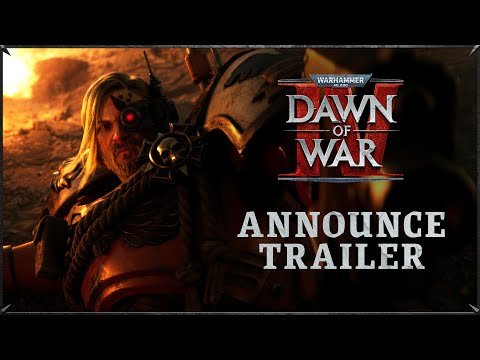
 Soren
Soren