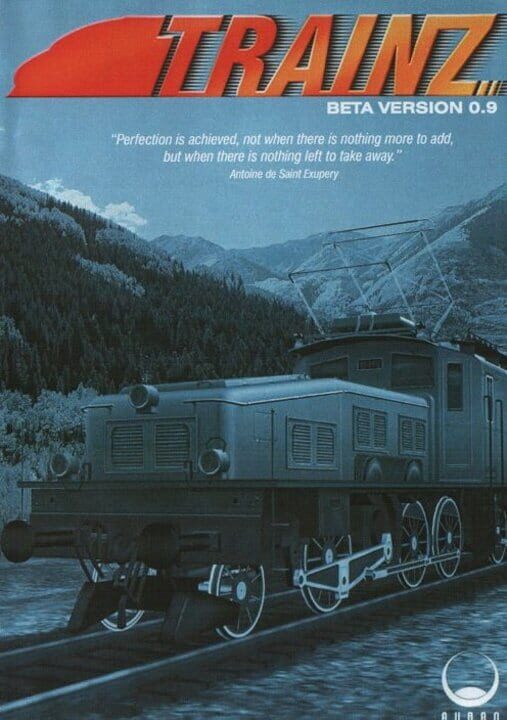
Trainz
Main Game
RELEASED
Nov 1, 2001
PC (Microsoft Windows)byAuran Games
Overview:|
Trainz, a foundational 3D train simulator released in 2001 for PC, centers on operating and building detailed railway systems. The core loop involves using the Driver module to run trains in either "DCC" or "CAB" modes, alongside utilizing the "Surveyor" editor to design custom routes and operational sessions. Its distinctive feature is the robust integration of both hands-on driving and comprehensive content creation tools within the main simulation package.
This is a foundational 3D train simulator released in 2001 for PC (Microsoft Windows). The core experience centers entirely around the operation and management of detailed railway systems, offering players the chance to step into the role of a train engineer or a route designer. It provides a comprehensive environment for enthusiasts interested in the mechanics and aesthetics of rail transport simulation.
Core Gameplay Experience
The simulation is divided into two primary modules that define the player experience. The first is the Driver module, where players take direct control of locomotives. Within this module, operation can be experienced in two distinct modes: "DCC" mode, which often implies a more direct, model-railroad-like control scheme, or "CAB" mode, which focuses on operating the train from the detailed view within the engineer's cabin.
The second, and equally crucial, component is the creation suite, known as Surveyor. This powerful editor allows users to construct and customize their own operational environments. Players can design intricate routes, place scenery, lay track, and set up specific operational scenarios, known as sessions, providing near-limitless potential for personalized railway layouts.
What makes this game unique in the simulator genre?
The Dual Focus on Operation and Creation
What sets this title apart is the robust integration of both hands-on driving and deep content creation tools right from its initial release. While many simulators focus solely on driving pre-built scenarios, this game empowers the user to build the entire world in which they operate. This duality ensures that players can transition seamlessly between being an active engineer and a meticulous route architect.
Operational Modes Explained
When operating trains, the simulation aims to replicate the experience of running rolling stock across the routes you or others have built. Players manage schedules, handle complex track switches, and observe the movement of their creations in a fully rendered 3D environment.
Route and Session Editors
The Surveyor tool is the backbone for user-generated content. It allows for detailed terrain manipulation and the placement of all necessary infrastructure—from signaling systems to station buildings—to create a functional and visually appealing railway network ready for driving sessions.
Available Content and Longevity
As the main game released in 2001, this specific iteration stands as a complete package upon its initial launch. There are no officially counted downloadable content packs (DLCs) or major expansions associated with this base title, meaning the core simulation and creation tools represent the entirety of the experience offered.
Game Details
Release Information
Release Date: Nov 1, 2001
Genres & Themes
Genres: Simulator
Platforms
PC (Microsoft Windows)
Game Modes
Perspective: First person
Player Modes: Single-player
Game Modes: Single player
Age Ratings
ESRB:E (Everyone)
Screenshots
No screenshots available for this game.
Videos
No videos available for this game.
 Soren
Soren