
Touhou Danmaku Kagura: Phantasia Lost - Digital Deluxe Edition
Bundle
RELEASED
Feb 7, 2024
PC (Microsoft Windows)Nintendo SwitchbyUnknownX•Alliance Arts
Overview:|
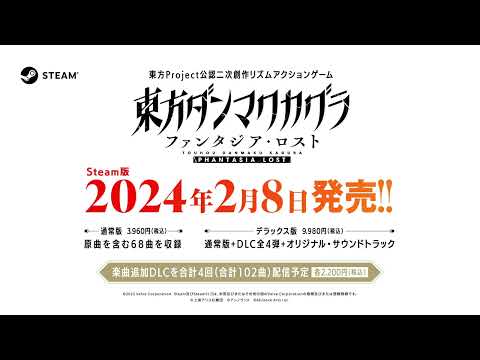
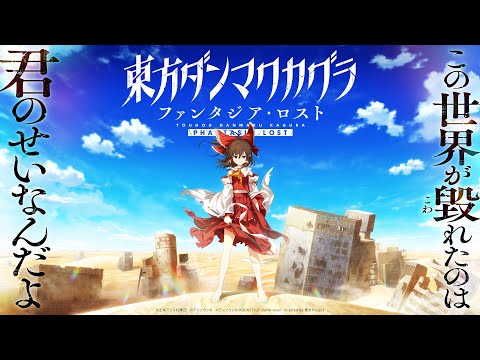
Touhou Danmaku Kagura: Phantasia Lost - Digital Deluxe Edition, released in 2024, blends shooter, music, adventure, indie, and visual novel elements. In the core game, you engage in rhythm-based gameplay to collect Mitama Cards, aiming to restore Phantasia. This specific edition bundles the main title with Additional Song Packs 1-4 and the Digital Soundtrack, offering an expanded musical library.
This title, released in 2024, blends elements of a rhythm-based shooter, adventure game, and visual novel. It is available on PC and Nintendo Switch, presented here in its Digital Deluxe Edition format, which bundles the core experience with extensive musical content.
Core Gameplay Mechanics
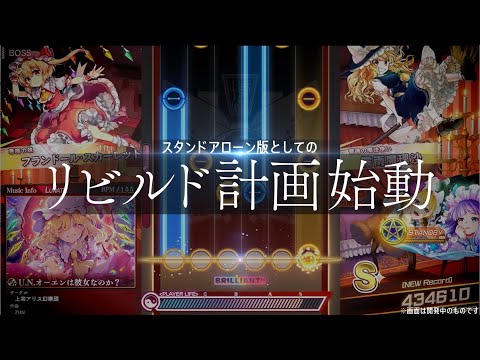
The central gameplay loop revolves around rhythm-based combat sequences. Players engage in bullet-hell style shooting mechanics, where success is tied directly to timing actions to the beat of the music. A key system involves collecting Mitama Cards. These cards are essential for progression, as they are used to rebuild the world of Phantasia.
The Rhythm-Shooter Loop
In the primary mode, players navigate stages requiring precise input synchronized with the soundtrack. Successfully executing these rhythm segments yields rewards necessary for advancing the narrative and enhancing player capabilities. The integration of music into the core combat distinguishes it from traditional bullet-hell titles.
Story and Setting
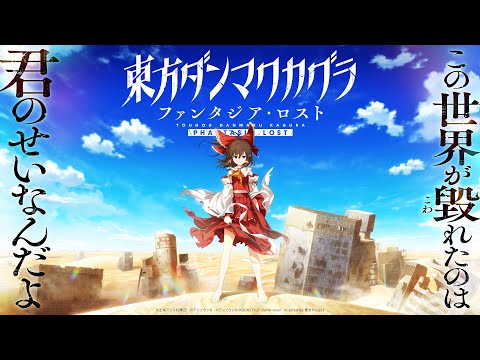
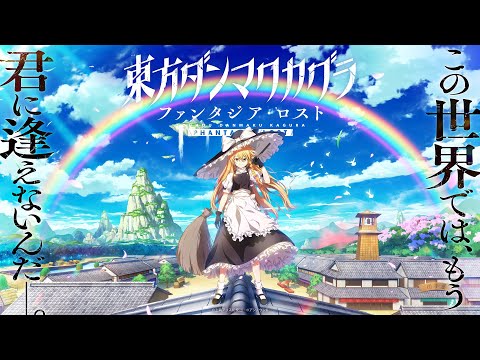
The premise centers on the player's role in restoring the shattered world of Phantasia. This adventure is interwoven with visual novel segments that drive the overarching plot forward, offering context and character development alongside the action sequences. The narrative unfolds as players progress through the rhythm challenges.
Distinctive Features of the Digital Deluxe Edition
This specific edition provides a comprehensive package for players interested in the music and content volume. It includes the base game alongside several substantial additions.
What content is expanded in this bundle?
The Digital Deluxe Edition incorporates Additional Song Packs 1 through 4, significantly increasing the library of tracks available for rhythm gameplay. Furthermore, it includes the Digital Soundtrack, offering access to the game's music outside of active gameplay sessions.
Audience Considerations
This game appeals to players who enjoy the high-intensity pattern recognition of bullet-hell shooters but also appreciate a strong musical component and narrative structure provided by the visual novel elements. Those who favor rhythm games integrated with progression systems may find the mechanics engaging.
Game Details
Primary Name: Touhou Danmaku Kagura: Phantasia Lost - Digital Deluxe Edition
Type: Bundle
Series: Touhou Danmaku Kagura
Developer: UnknownX
Publisher: Alliance Arts
Release Information
Release Date: Feb 7, 2024
Genres & Themes
Genres: Shooter, Music, Adventure, Indie, Visual Novel
Themes: Action, Fantasy
Platforms
PC (Microsoft Windows)Nintendo Switch
Game Modes
Perspective: Bird view / Isometric
Player Modes: Single-player
Game Modes: Single player
Age Ratings
ESRB:E (Everyone)












 Soren
Soren