
The Final Fantasy Legend
Main Game
RELEASED
7.2
Dec 15, 1989
Game BoybySquare•SUNSOFT
Overview:|
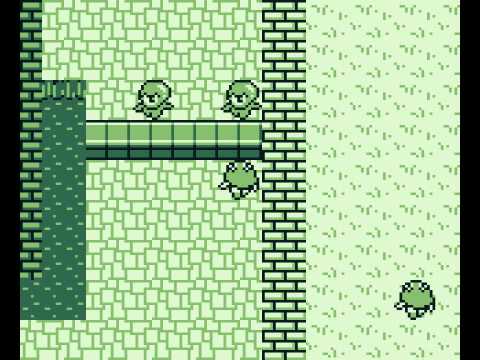
This 1989 single-player Role-Playing Game (RPG) tasks you with forming a four-person party from eight classes—Humans, Mutants, and Monsters—to climb a central tower leading to Paradise. Gameplay emphasizes deep party customization, as Monsters evolve by consuming defeated foes, while Humans focus on combat and Mutants on magic. You explore four themed lands to stop the Ashura Devils, securing key Spheres guarded by Zodiac entities. Its distinctive feature is the class evolution system, offering strategic depth for RPG fans seeking a classic portable adventure.
This title is a foundational Role-Playing Game (RPG) that blends traditional adventure elements with deep party customization. Released initially in 1989, it offers a single-player experience featuring battery backup for saving progress and is compatible with both original handheld hardware and its color-enhanced successor. The core premise revolves around a legendary quest to ascend a massive tower situated at the center of the world, which is rumored to lead to Paradise. Adventurers brave this climb, exploring interconnected worlds guarded by powerful entities based on the Chinese Zodiac, all while seeking the scattered Spheres necessary to progress.
Core Gameplay and Party Customization
The gameplay loop centers on forming a versatile party of four warriors, selected from eight distinct character classes. This selection process is crucial, as each class offers unique strengths and limitations that define the party's capabilities throughout the adventure. The game is structured as a classic turn-based RPG adventure.
Character Class Diversity
The available classes provide significant strategic depth:
- Humans: These characters are versatile, excelling in direct physical combat and having access to the widest array of weaponry.
- Mutants: Specializing in arcane arts, Mutants are the primary wielders of magic within the party.
- Monsters: These unique characters possess a fascinating evolution mechanic. By consuming the meat of defeated opponents, Monsters can transform and gain new abilities, adapting their roles dynamically as the journey progresses.
The Quest for Paradise
The narrative structure guides players through four distinct lands, each possessing a unique fantasy theme. The immediate goal is to halt the destructive ambitions of the wicked Ashura Devils. The journey involves navigating these varied environments—including the World of Sea and the World of Sky—to secure key artifacts, such as the Black Sphere, Blue Sphere, White Sphere, and Red Sphere, often held by formidable Zodiac guardians like Genbu (the Black Turtle) and Byakko (the White Tiger).
What makes this early handheld RPG stand out?
The game's standout feature is its robust, class-based party creation system, particularly the Monster class's ability to evolve based on combat encounters. This mechanic offers a level of customization and long-term character development rarely seen in early portable RPGs, encouraging players to experiment with party compositions to overcome diverse challenges across the different themed worlds.
Atmosphere and Presentation
The experience is enhanced by a dedicated fantasy soundtrack designed to immerse the player in the atmosphere of the perilous journey toward the central tower.
Additional Content and History
This main game release does not feature any downloadable content (DLC) or expansions. It has seen one official remake since its original debut, indicating its lasting impact on the genre.
Game Details
Primary Name: The Final Fantasy Legend
Alternative Names:
魔界塔士 沙加 (Chinese title)
Makai Toushi Sa·Ga (Japanese title - romanization)
Warrior in the Tower of the Spirit World ~ Sa·Ga (Japanese title - translated)
Makai Toushi SaGa (Japanese title - romanization)
Type: Main Game
Series: Final Fantasy Legend
Developer: Square
Publisher: SUNSOFT, Square
Release Information
Release Date: Dec 15, 1989
Genres & Themes
Genres: Role-playing (RPG), Adventure
Themes: Fantasy
Platforms
Game Boy
Game Modes
Perspective: Bird view / Isometric
Player Modes: Single-player
Game Modes: Single player
Age Ratings
ESRB:E (Everyone)

 Soren
Soren