
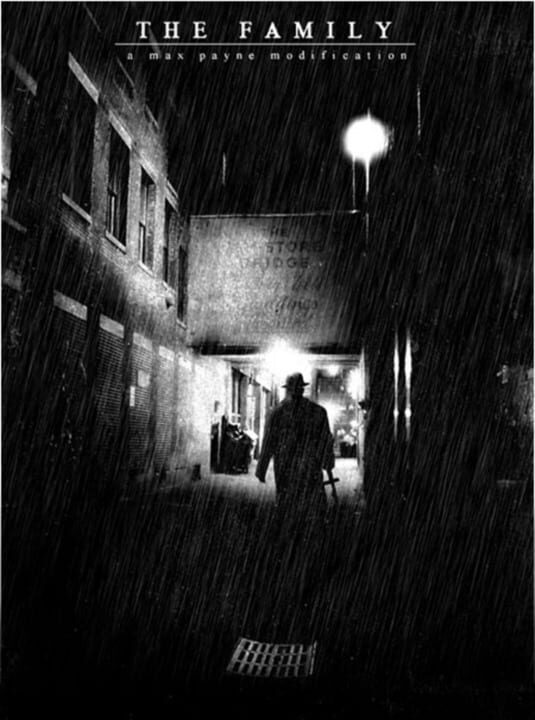
The Family
Overview:|
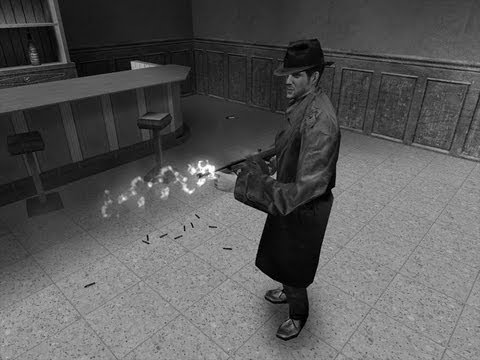
The Family is a single-player shooter released in 2003, immersing players in a 1930s mafia setting styled after classic film noir. You step into the role of Tony, a young gangster, navigating a narrative focused on organized crime within a distinct black-and-white visual presentation.
This title, first released in late 2003 for PC platforms, is a third-person action game centered around the organized crime setting of the 1930s American Mafia era. The visual presentation is heavily stylized, often employing a distinct black-and-white aesthetic reminiscent of classic film noir cinema.
Core Gameplay and Mechanics
The primary gameplay loop involves navigating environments characteristic of the Prohibition era, engaging in narrative-driven missions that blend driving sequences with third-person shooting mechanics. Players assume the role of Tony, a young man rising through the ranks of a criminal organization.
Combat requires tactical positioning and cover usage, typical of the era's shooter design. Progression is tied directly to completing assignments for the family, which often involve enforcing territory, engaging rival gangs, and participating in heists. The game emphasizes the atmosphere and narrative structure of classic gangster films.
Setting and Narrative Focus
The game immerses the player in a world defined by organized crime, focusing heavily on themes of loyalty, betrayal, and the rise to power within a structured criminal hierarchy. The narrative unfolds against the backdrop of the 1930s, utilizing its unique visual filter to enhance the dramatic tone of the story.
What defines the experience of this title?
The most distinctive feature is its commitment to the film noir visual style, which permeates the entire game world, from character models to environmental textures. This aesthetic choice sets it apart from contemporaries in the action genre.
Furthermore, the structure leans heavily into story progression over open-world exploration, ensuring that the player remains focused on the unfolding mafia drama and the character's journey within the organization.
Current Community Reception and State
As a title from 2003, the game is recognized primarily for its historical significance within the genre and its unique artistic direction. While it does not receive regular modern patches or content updates, its stability on modern PC operating systems is often discussed within retro-gaming communities. The core experience remains the original, narrative-focused action adventure.
Game Details
Primary Name: The Family
Type: Mod
Part of: Max Payne
Developer: Unknown
Publisher: Unknown
Engine: MAX-FX
Release Information
Release Date: Sep 30, 2003
Genres & Themes
Genres: Shooter
Themes: Mystery, Action
Platforms
PC (Microsoft Windows)
Game Modes
Perspective: Third person
Player Modes: Single-player
Game Modes: Single player
 Soren
Soren