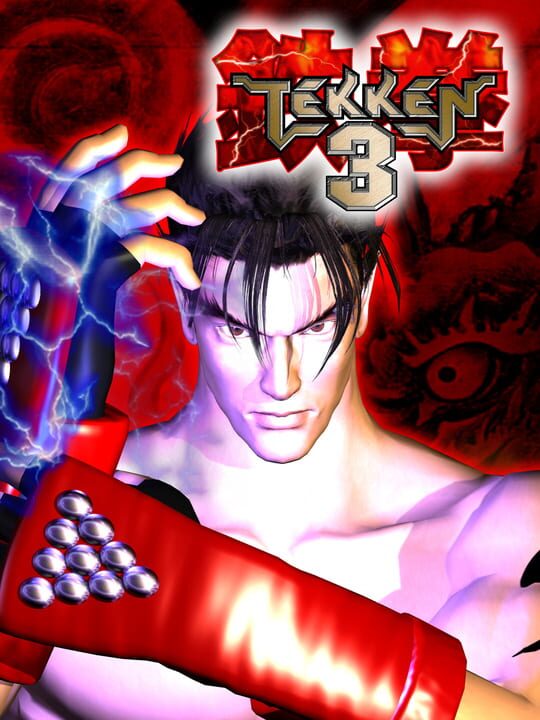
Tekken 3
Overview:|
Tekken 3 is a 1998 fighting game centered on the King of Iron Fist Tournament. Gameplay emphasizes strategic 3D combat, requiring players to master unique movesets across its roster of over 20 characters, utilizing mechanics like sidestepping for evasion. The console release expanded upon the arcade version with extra characters and game modes.
This title is a prominent entry in the fighting game genre, originally released in 1998. The core premise centers around the high-stakes King of Iron Fist Tournament, where various martial artists compete.
Core Gameplay Mechanics
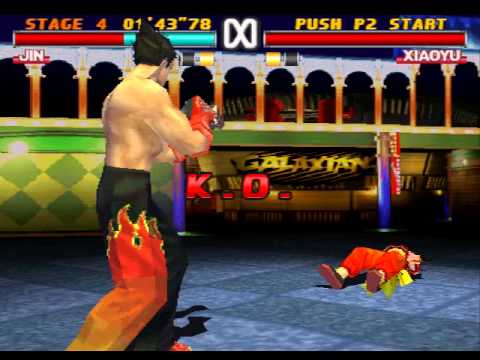
The gameplay loop focuses on one-on-one strategic combat across various 3D arenas. Players select from a roster of over 20 distinct characters, each possessing unique move sets, combos, and fighting styles. A critical mechanic involves sidestepping, allowing players to move laterally out of the plane of attack to evade incoming strikes and create openings for counter-offensives. Success relies heavily on timing, spacing, and mastering character-specific command inputs.
Game Modes and Content
The primary modes of play include competitive versus matches and structured single-player progression through the tournament bracket. The console version significantly expanded upon its arcade origins by introducing additional playable characters not available in the initial release, alongside several exclusive game modes that offer varied challenges outside of standard competitive play.
What distinguishes this fighting game experience?
The game is recognized for refining the 3D fighting engine, emphasizing fluid movement and deep technical execution. While the core structure remains competitive fighting, the inclusion of bonus modes provides substantial replay value beyond standard head-to-head matchups. The roster features a diverse array of martial arts disciplines, ensuring that mastering one character does not necessarily translate directly to proficiency with another.
How is player progression handled?
Progression within the main tournament structure is linear, requiring players to defeat a series of opponents to reach the final challenge. Experience points or persistent character leveling are not central to the core competitive structure; instead, mastery is achieved through player skill development and memorization of move lists.
Game Details
Release Information
Release Date: Mar 26, 1998
Genres & Themes
Genres: Fighting, Hack and slash/Beat 'em up, Arcade
Themes: Action
Platforms
PlayStation
Game Modes
Perspective: Side view
Player Modes: Single-player
Game Modes: Single player, Multiplayer
Age Ratings
ESRB:T (Teen)
PEGI:12+
USK:12+


 Soren
Soren