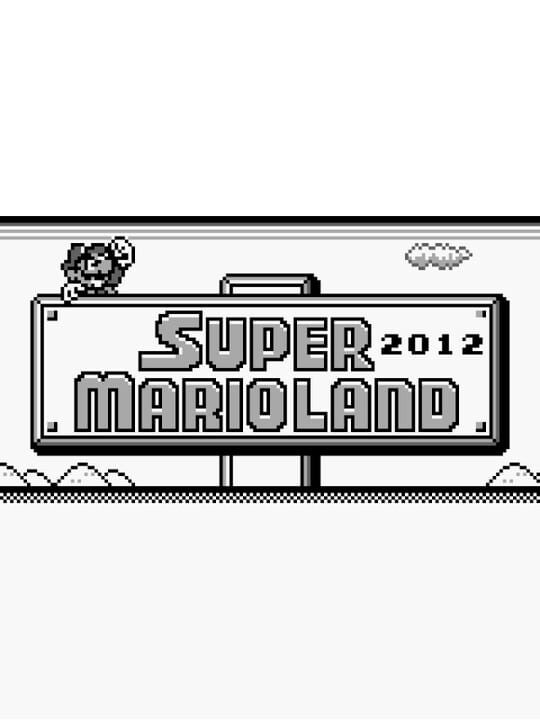
Super Mario Land 2012
Overview:|
This 2012 release is a modification (Mod) built upon the classic Super Mario Land, offering a fresh, community-driven platforming experience specifically for the original Game Boy. Gameplay centers on traditional side-scrolling action, requiring precise jumping and obstacle navigation within the established 8-bit framework. Its core value is delivering new, curated challenges and content that adhere strictly to the technical limitations and nostalgic feel of the source material.
This title, released in 2012, is classified as a Mod, meaning it is a modification built upon the existing framework of its parent game, Super Mario Land. As a community-driven alteration, it offers players a fresh experience utilizing the established structure and assets of the original Game Boy title. Released exclusively for the Game Boy platform, this version maintains the characteristic 8-bit aesthetic and core mechanics familiar to fans of the source material while introducing new content crafted by the developer, HeavyMetal Rocker.
Core Gameplay Loop and Platform Constraints
The fundamental experience is rooted in the Platform genre. Players engage in traditional side-scrolling action, requiring precise timing for running and jumping across environmental obstacles. The gameplay adheres strictly to the technical specifications and control scheme of the original Game Boy hardware, emphasizing classic platforming challenges.
Since this is a modification, its primary value proposition is the introduction of new content—new levels, altered stage designs, or potentially revised challenges—integrated within the familiar engine of the predecessor. It serves as a dedicated extension for those seeking further interaction with that specific 8-bit environment and control set.
What distinguishes this modification from the original?
As a mod, this version distinguishes itself by repurposing the established code and structure of the parent game to construct a distinct, curated experience. Unlike a full sequel, it leverages existing architecture, often resulting in a focused set of new challenges that respect the technical limitations of the original hardware. The atmosphere and setting remain intrinsically tied to the source material, suggesting a familiar world presented through new scenarios.
What is the current content status of this 2012 release?
The experience delivered in this 2012 release is the complete package as developed by HeavyMetal Rocker. There are no official downloadable content packs or standalone expansions associated with this specific modification.
How does this experience relate to the established source material?
While the core mechanics—running, jumping, and navigating stages—are inherited directly from the original Super Mario Land, the modification introduces novel content designed to test players familiar with the source game. It provides an alternative or continuation path within the established 8-bit universe, built upon the recognizable graphical style and control fidelity of the Game Boy era.
Game Details
Primary Name: Super Mario Land 2012
Type: Mod
Part of: Super Mario Land
Developer: HeavyMetal Rocker
Publisher: HeavyMetal Rocker
Release Information
Release Date: Sep 12, 2012
Genres & Themes
Genres: Platform
Themes: Action
Platforms
Game Boy
Game Modes
Perspective: Side view
Player Modes: Single-player
Game Modes: Single player
Videos
No videos available for this game.
 Soren
Soren