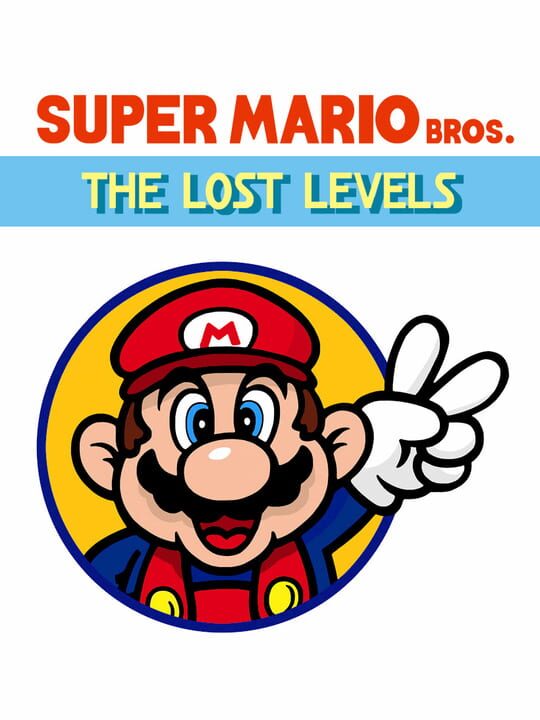
Super Mario Bros.: The Lost Levels
Main Game
RELEASED
7.4
Jun 3, 1986
Wii UFamily Computer Disk System+2byNintendo R&D4•Nintendo
Overview:|
As a direct sequel to the original 2D platformer, this Main Game, first released in 1986, tasks you with traversing challenging, expanded levels to rescue Princess Toadstool from Bowser. The core gameplay involves precise running and jumping across intricate stage designs, maintaining the established physics while demanding significantly greater player skill due to increased difficulty. This title is known for being the true, challenging Japanese sequel, distinct from the Western Super Mario Bros. 2, and has been made available on platforms like the Wii U and 3DS via remasters.
This is a direct sequel to the foundational 2D platforming adventure that captivated players worldwide. Released initially in 1986 for the Family Computer Disk System in Japan, this title continues the quest to restore peace to the Mushroom Kingdom following an invasion by the powerful turtle clan led by Bowser. The atmosphere remains one of vibrant, yet perilous, fantasy adventure, where the familiar landscape has been disrupted by dark magic that has turned the mushroom people into inanimate objects. The core objective remains clear: Mario must traverse numerous challenging worlds to rescue Princess Toadstool, who is being held captive by the sorcerer king.
Core Gameplay and Mechanics
As a main game in the platform genre, the experience centers on precise running, jumping, and navigating intricate level designs. Players will encounter familiar power-ups and enemies, requiring mastery of timing and movement to progress. The fundamental loop involves moving from the start of a stage to the flagpole at the end, often while avoiding pitfalls, enemies, and environmental hazards.
While drawing heavily from its predecessor's visual style and core concepts, this installment introduces significant new challenges. The design philosophy leans toward increased difficulty and complexity in level construction, demanding greater precision from the player.
What makes this game unique in the platform genre?
The defining characteristic of this sequel is its uncompromising difficulty curve. It serves as a direct, expanded continuation of the original adventure, featuring new stage layouts that test the limits of platforming skill. Players will notice a deliberate escalation in the complexity of obstacles compared to the first game.
Mechanically, the game retains the established physics but layers on new environmental tricks and enemy placements that require players to rethink established strategies. Progression is marked by the successful completion of these challenging platforming stages.
What platforms is this game available on?
This classic adventure has seen re-releases and availability across several Nintendo platforms over the years. Core access points include the Wii U, Nintendo 3DS, and the Wii console. It originally debuted on the Family Computer Disk System.
Is there any additional content available?
This main game experience is self-contained. There are currently no officially released downloadable content packs or expansions associated with this title.
Is this the same as the Western Super Mario Bros. 2?
It is important to note that this game is not the title released as the second installment in Western territories. This game is the true, direct sequel developed for the Japanese market. The game has received one remaster, updating its presentation for modern systems while preserving the original level design.
Game Details
Primary Name: Super Mario Bros.: The Lost Levels
Alternative Names:
Super Mario Bros. 2 (Japanese title - translated)
Super Mario Brothers 2 (Japanese title - romanization)
Super Mario Bros. For Super Players (Alternative title)
SMB:TLL (Acronym)
Type: Main Game
Series: Super Mario Bros.
Developer: Nintendo R&D4
Publisher: Nintendo
Release Information
Release Date: Jun 3, 1986
Genres & Themes
Genres: Platform, Adventure
Themes: Action
Platforms
Wii UFamily Computer Disk SystemNintendo 3DSWii
Game Modes
Perspective: Side view
Player Modes: Single-player
Game Modes: Single player, Multiplayer
Age Ratings
ESRB:E (Everyone)
PEGI:3+
CERO:A (All Ages)
USK:0 (All Ages)
ACB:G (General)

 Soren
Soren