
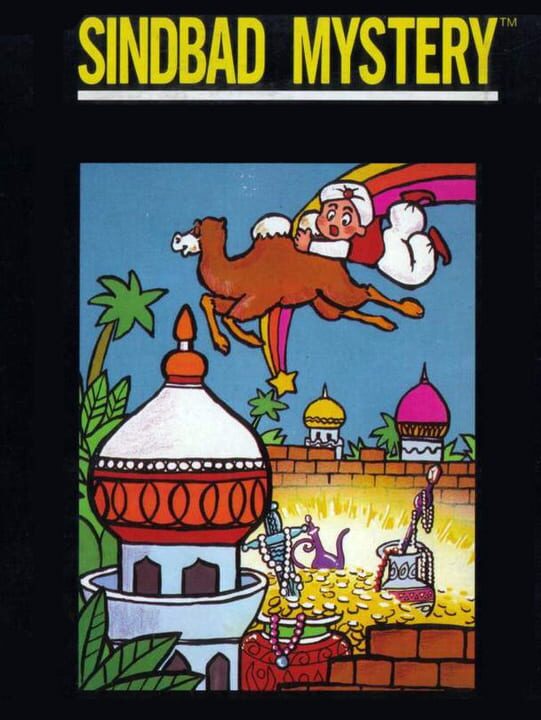
Sindbad Mystery
Main Game
RELEASED
Dec 31, 1983
Sega SaturnSG-1000+1bySega Enterprises, Ltd.
Overview:|
Sindbad Mystery is a classic 1983 arcade puzzle game where you play as Sindbad, navigating mazes to assemble a treasure map while avoiding monsters. Its core loop involves movement and strategic environmental manipulation, specifically using a unique digging mechanic to trap enemies. This feature distinguishes it from simple maze-chasers by emphasizing proactive defense. Originally on Arcade and SG-1000, it was later preserved on platforms like the Sega Saturn.
This is a classic arcade puzzle experience originally released in 1983. Players step into the role of Sindbad, a young adventurer tasked with a crucial mission: assembling a fragmented treasure map scattered across dangerous environments. The game combines elements of maze navigation with strategic environmental manipulation, requiring quick reflexes and careful planning to succeed. It originally debuted in arcades and saw subsequent releases on platforms like the SG-1000 and later appeared in collections on the Sega Saturn.
Core Gameplay Mechanics
The central objective revolves around navigating maze-like levels while actively avoiding various pursuing monsters. The gameplay loop centers on movement, evasion, and utilizing the environment to gain an advantage over the threats lurking nearby. As a main game title from the early 1980s, the experience is focused on high-score chasing and mastering level layouts.
What makes this game unique in the Arcade Puzzle Genre?
While sharing some foundational similarities with maze-chase games of the era, the inclusion of the digging and trapping system sets this title apart. It shifts the focus from pure evasion to proactive environmental control. Success hinges not just on running away, but on setting up defensive measures to neutralize threats before proceeding with the primary objective of map completion.
Strategic Trapping System
A defining feature of this title is its unique digging mechanic. Players possess the ability to interact with the ground, creating pits or holes. This mechanic is essential for survival, as it allows the protagonist to strategically trap the pursuing enemies, temporarily removing them from the immediate threat area so that the map pieces can be collected safely.
Game Availability and Content
As a main game title from 1983, the core experience remains focused on the original arcade design. There are no officially documented DLCs or expansions associated with this specific release. The game has been preserved through re-releases, such as its inclusion in the 1997 Sega Ages Memorial Selection Vol. 2 compilation for the Sega Saturn, offering access to the original puzzle structure.
Platforms and Release History
The game was first available in arcades in 1983. That same year, it was ported for home use on the SG-1000 console. Later generations of players experienced it via its inclusion in retrospective collections on the Sega Saturn, demonstrating its lasting presence in Sega's historical library.
Game Details
Primary Name: Sindbad Mystery
Type: Main Game
Developer: Sega Enterprises, Ltd.
Publisher: Sega Enterprises, Ltd.
Release Information
Release Date: Dec 31, 1983
Genres & Themes
Genres: Puzzle, Arcade
Themes: Action
Platforms
Sega SaturnSG-1000Arcade
Game Modes
Perspective: Bird view / Isometric
Player Modes: Single-player
Game Modes: Single player
Screenshots
No screenshots available for this game.
Videos
No videos available for this game.
 Soren
Soren