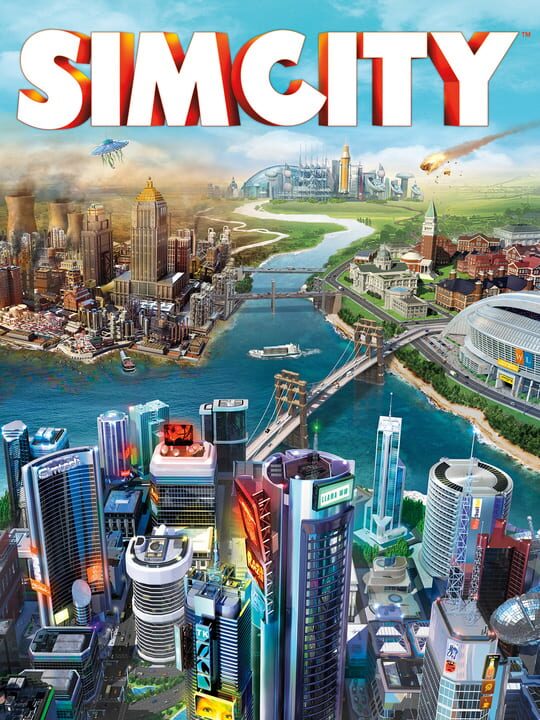
SimCity
Main Game
RELEASED
7.1
Mar 5, 2013
PC (Microsoft Windows)MacbyMaxis•Electronic Arts
Overview:|
As a deep strategy and simulator main game released in 2013, you manage and grow cities with unprecedented simulation detail. The core loop involves zoning, infrastructure planning, and balancing citizen needs across a region, supporting up to 16 interconnected cities simultaneously. A distinctive feature is the introduction of multiplayer, allowing collaboration or competition with others to manage regional resources and achieve shared goals, adding a new layer of interdependence to city management.
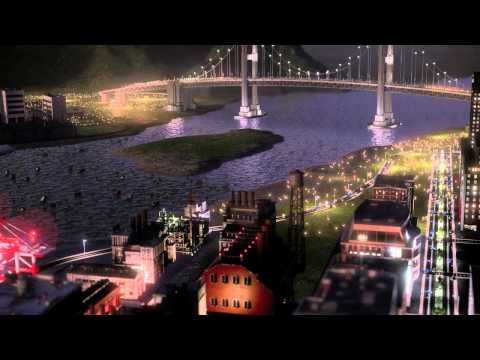
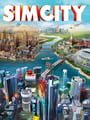
This entry in the renowned city-building simulation series offers an unprecedented depth of simulation, presenting players with a model-like world rendered in intricate detail. Released in 2013 for PC (Microsoft Windows) and Mac, this title falls squarely into the Simulator and Strategy genres, challenging players to master the complexities of urban planning and management.
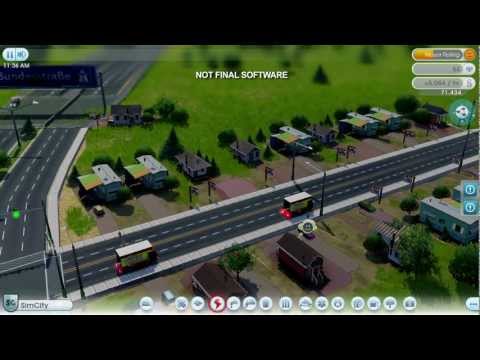
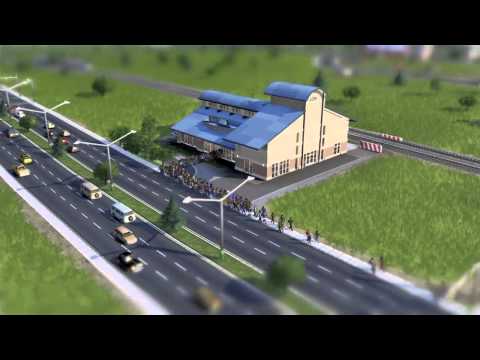
The core experience revolves around designing, building, and managing a thriving metropolis from the ground up. Players are responsible for zoning, infrastructure development, public services, and managing the delicate balance of citizen happiness, commerce, and industry. The simulation is designed to be highly responsive, meaning player decisions have immediate and tangible effects across the city.
Core Gameplay and Regional Scale
A significant evolution in this iteration is the introduction of true multi-city scale through regional play. While players can focus on developing a single city, the game supports managing up to 16 distinct cities simultaneously within a shared region. This allows for specialization, where one city might focus entirely on manufacturing while another becomes a hub for tourism or high-tech research.
The interconnected nature of the region means that the success or failure of one city directly impacts its neighbors. Resources, workforce, and traffic flow must be managed across the entire map, adding a layer of macro-strategy to the micro-management of individual urban centers.
What makes this simulation unique?
The most defining feature introduced here is the integration of multiplayer functionality. For the first time in the series, players can collaborate or compete with others managing neighboring cities within the same region. This adds a dynamic social layer to the traditional single-player experience, as coordinated efforts can unlock regional achievements, or competitive specialization can lead to economic dominance.
City Specialization and Interdependence
Players can assign specific economic focuses to their cities. For example, developing a city solely around resource extraction will provide raw materials to other cities in the region, which might then process those materials into finished goods. This interdependence necessitates careful planning and negotiation among regional leaders, whether they are controlled by AI or other human players.
Available Content
As of the current date, this main game title includes one official expansion pack, adding further depth and mechanics to the simulation experience. There are no remakes or remasters of this specific version currently available.
Game Details
Primary Name: SimCity
Alternative Names:
SimCity 5 (Other)
SimCity V (Other)
The SimCity (Other)
Sim City (Other)
Sim City Graphics Set 2: Future Cities (Other)
Type: Main Game
Series: SimCity
Developer: Maxis
Publisher: Electronic Arts
Engine: GlassBox
Release Information
Release Date: Mar 5, 2013
Genres & Themes
Genres: Simulator, Strategy
Themes: Sandbox, Business
Platforms
PC (Microsoft Windows)Mac
Game Modes
Perspective: Bird view / Isometric
Player Modes: Online Co-op, Multiplayer
Game Modes: Single player, Multiplayer
Age Ratings
ESRB:E10+ (Everyone 10+)
PEGI:7+
The content of this game is suitable for persons aged 7 years and over only. It contains: Pictures or sounds likely to be scary to young children - Violence that is not shown but is implied - Non realistic looking violence towards characters which although human are not very detailed This game allows the player to interact with other players ONLINE
 Soren
Soren