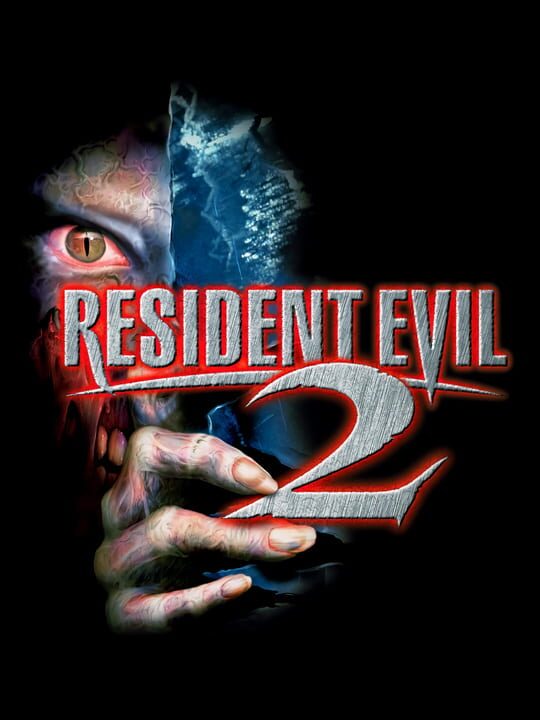
Resident Evil 2
Overview:|
This 1998 Port of Resident Evil 2 places you as Leon in a side-view, pseudo-3D environment, moving across three horizontal planes to clear screens of zombies while managing an inventory. The core loop involves tactical advancement and combat retention. Distinctive features for this Game.com version include touchscreen inventory support and built-in session time tracking, offering a unique interface for the established survival horror structure.
This title is a Port of the survival horror classic, originally released in 1998 for the Game.com platform. As an adaptation, it translates the core structure and narrative of its console predecessor to fit the specific hardware capabilities of the Game.com. The experience centers on navigating a tense environment while managing limited resources against persistent threats.
Core Gameplay Mechanics and Presentation
Players assume control of Leon, navigating environments presented across three distinct horizontal planes, which creates a pseudo-2D, side-view perspective. The primary method of interaction involves positioning the character in the desired direction and advancing forward while engaging threats such as zombies. The game progresses screen-by-screen; once all enemies in a non-scrolling location are eliminated, the player advances to the next area.
A crucial element retained from the source material is the inventory system, which allows players to cycle between available weaponry to manage encounters effectively. The game also tracks the total time the player has spent within the experience.
What unique features does this portable version offer?
This specific adaptation incorporates features tailored for the Game.com hardware. A notable distinction is the support for touchscreen inventory menus, providing an input method distinct from traditional controller schemes for item management. The game follows the established storyline of the main title, focusing on delivering the survival horror atmosphere within the constraints of the handheld system.
Setting and Narrative Context
This version adheres to the established narrative framework of the original game. The focus remains on the high-stakes survival scenario inherent to the franchise, experienced through the unique visual presentation and control scheme of this 1998 handheld release.
Content Availability
This release is a fixed content package based on the original game structure. There are no recorded DLCs or expansions associated with this specific Game.com version.
Value Proposition of this Port
The value of this 1998 port lies in its attempt to deliver a recognized survival horror narrative on the available handheld technology of that era. It utilizes the platform's unique input methods, such as the touchscreen interface for inventory control, to facilitate the core survival loop.
Game Details
Primary Name: Resident Evil 2
Type: Port
Part of: Resident Evil 2
Series: Resident Evil
Developer: Tiger Electronics
Publisher: Tiger Electronics
Release Information
Release Date: Dec 31, 1998
Platforms
Game.com
Game Modes
Perspective: Side view
Player Modes: Single-player
Age Ratings
ESRB:T (Teen)
Videos
No videos available for this game.
 Soren
Soren