
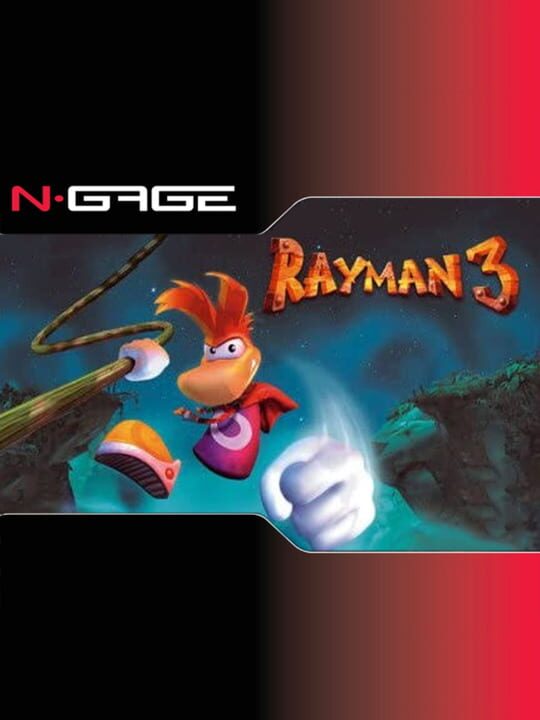
Rayman 3
Overview:|
Rayman 3, released in 2003, is a platforming adventure where you navigate vibrant, fantastical environments. The core gameplay loop involves executing precise platforming maneuvers and engaging in combat utilizing Rayman's unique abilities to overcome obstacles. This version features unique levels adapted from the Game Boy Advance iteration, focusing on exploration and challenge resolution.
This title is a platforming action game originally released in late 2003. The core experience centers on navigating complex, vibrant 3D environments, requiring precise movement and utilization of the protagonist's unique physical abilities to progress through distinct stages.
Core Gameplay Mechanics and Loop
The primary gameplay loop involves traversing levels characterized by platforming challenges. Players must execute jumps, dodges, and utilize specialized attacks to overcome environmental obstacles and engage in combat scenarios. Success is often dependent on mastering the character's range of motion and timing interactions with the level geometry.
Combat and Abilities
Combat mechanics rely on the character's signature long-range punch, which serves both offensive and utility purposes, such as interacting with distant objects or activating switches. Progression through the game is tied to overcoming these sequences of exploration and combat encounters within the game's fantastical setting.
Distinctive Features of This Version
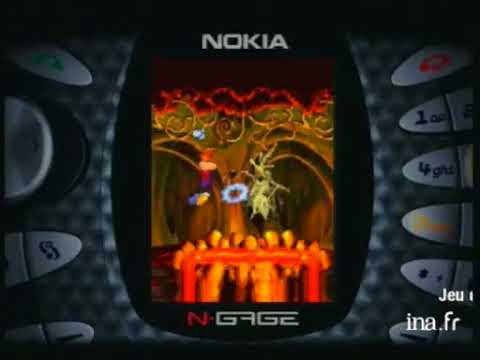
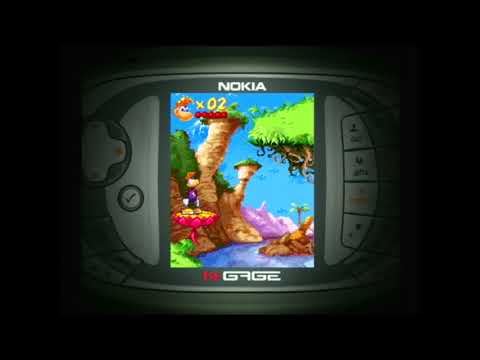
This specific iteration of the game is notable for adapting the core experience to a handheld format, incorporating unique level designs that differentiate it from other contemporary releases. The focus remains heavily on exploration and obstacle traversal within a colorful, imaginative world.
What is the primary focus of the level design?
Level design emphasizes verticality and environmental puzzles that test the player's mastery of movement mechanics. Each area presents a series of challenges that must be solved sequentially to unlock the path forward, blending traditional platforming with light puzzle elements.
Audience Appeal
The game appeals to players who enjoy classic 3D platformers that demand skill in timing and spatial awareness. Its structure caters to those who prefer linear progression through carefully constructed challenge stages rather than open-world exploration.
Current State and Reception Context
As a title from 2003, the game's current state is defined by its historical context as a specific port. Community reception generally acknowledges its faithful adaptation of the core mechanics to its intended platform, focusing on the challenge presented by the unique level adaptations included in this version.
Game Details
Release Information
Release Date: Dec 31, 2003
Genres & Themes
Genres: Platform
Themes: Action, Fantasy
Platforms
N-Gage
Game Modes
Perspective: Side view
Player Modes: Single-player
Game Modes: Single player
Age Ratings
ESRB:E (Everyone)
PEGI:3+
CLASS_IND:12+
 Soren
Soren