
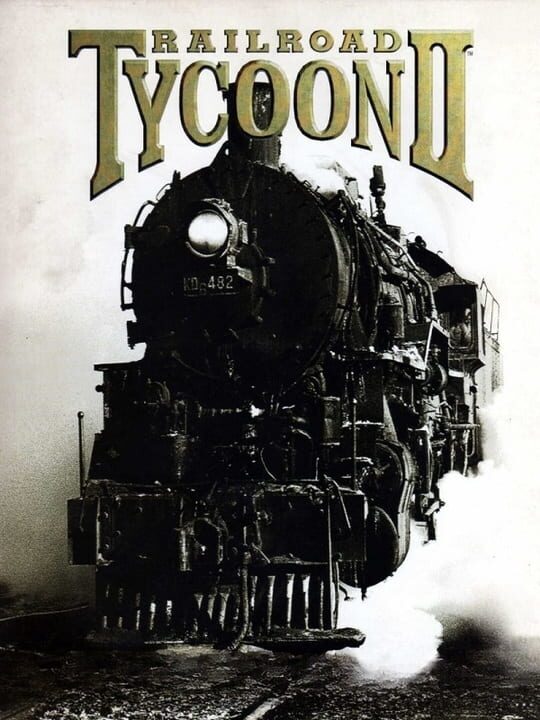
Railroad Tycoon II
Main Game
RELEASED
8.5
Jun 30, 1998
LinuxDreamcast+3byPopTop Software•Take-Two Interactive
Overview:|
As a classic business simulation and strategy main game released in 1998, Railroad Tycoon II tasks you with building and managing a successful transportation empire. The core loop involves strategically laying track, purchasing locomotives, and optimizing routes to connect industries and cities for profit. Distinctive features include deep logistical challenges, managing finances through loans and fares, and progressing through technological eras to maintain a competitive edge against rivals in the evolving industrial landscape.
This is a classic business simulation experience that places players at the helm of a burgeoning transportation empire. Released in 1998, this strategy title challenges you to navigate the complexities of the industrial age, starting as a hopeful entrepreneur and striving to become the undisputed leader of the rail industry. Available across PC (Microsoft Windows), Linux, Mac, PlayStation, and Dreamcast platforms, the core objective is simple: build, manage, and profit from an extensive network of railways.
Core Gameplay and Mechanics
The gameplay loop centers on strategic route planning, resource management, and economic maneuvering. Players must lay track, purchase and manage various types of locomotives and rolling stock, and establish vital connections between cities and industries to meet fluctuating demands for goods and passengers. Success hinges on anticipating market needs, optimizing train schedules, and ensuring your infrastructure can handle the growing volume of traffic.
A key element involves managing finances, including securing loans, setting fares, and investing profits back into expansion and technological upgrades. The simulation environment reacts dynamically to your decisions, presenting challenges such as competition, fluctuating stock prices, and the necessity of adapting to changing economic landscapes across the map.
What makes this game unique in the simulation genre?
The game distinguishes itself through its deep focus on the logistical challenges inherent in building a massive railway network. Unlike broader business simulations, this title drills down into the specifics of rail operations, requiring careful consideration of gradients, bridge construction, and the efficiency of different engine types for various terrains and loads. The competitive aspect, where players vie for market dominance, adds a layer of direct strategic confrontation.
Setting and Atmosphere
The setting transports players through various historical eras, reflecting the evolution of rail technology. While the atmosphere is rooted in historical business simulation, the focus remains firmly on the strategic execution of building an industrial powerhouse. The game provides a sandbox environment where economic ambition drives the narrative, rather than a linear storyline.
Available Content
As a main game release, the core experience is self-contained. There are no official downloadable content packs associated with this title. However, the game did receive one official expansion, which introduced new scenarios, industries, and potentially new technological options to enhance the core simulation experience.
How does this simulation handle technological progression?
Technological advancement is integral to maintaining a competitive edge. Players begin with early steam technology and must research and invest in newer, more powerful, and more efficient locomotives as the game progresses through the decades. This progression directly impacts operational costs, speed, and the capacity of your network, forcing continuous adaptation to stay ahead of rivals and market demands.
Game Details
Primary Name: Railroad Tycoon II
Alternative Names:
Railroad Tycoon 2 (Other Alias)
Type: Main Game
Series: Railroad Tycoon
Developer: PopTop Software
Publisher: Take-Two Interactive, Gathering of Developers
Release Information
Release Date: Jun 30, 1998
Genres & Themes
Genres: Simulator, Strategy
Themes: Business
Platforms
LinuxDreamcastPC (Microsoft Windows)PlayStationMac
Game Modes
Perspective: Bird view / Isometric
Player Modes: Single-player
Game Modes: Single player
Age Ratings
ESRB:E (Everyone)

 Soren
Soren