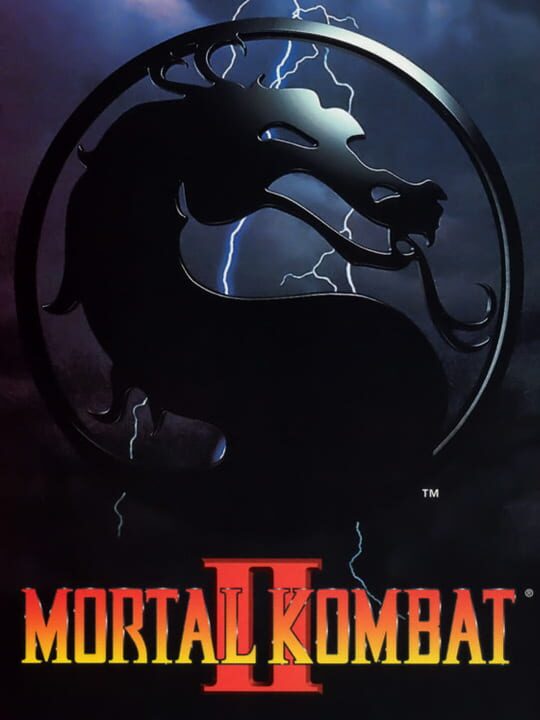
Mortal Kombat II
Port
RELEASED
Nov 11, 1994
Super FamicombySculptured Software•Acclaim Entertainment
Part of: Mortal Kombat II
Overview:|
As a 1994 port to the Super Famicom, Mortal Kombat II delivers the core one-on-one fighting experience where you master unique characters and execute special moves in intense martial arts duels. This version is distinguished by content adjustments for the console, notably featuring green blood effects in place of the arcade's traditional red. Fans of technical 16-bit fighting games will find the established roster and competitive structure intact, despite the inherent hardware translation from the arcade original.
This title represents a home console adaptation of the celebrated arcade fighting phenomenon, brought to the Super Famicom platform in 1994. As a direct port, the core experience aims to replicate the intense, one-on-one combat that defined its source material, allowing players to engage in high-stakes martial arts battles across various exotic locales.
The atmosphere is steeped in dark fantasy and martial arts mysticism, featuring a roster of unique fighters, each possessing distinct special moves and fighting styles. Success hinges on mastering timing, spacing, and executing complex button combinations to unleash devastating attacks against opponents.
Core Gameplay Mechanics and Features
The gameplay centers on a deep, technical fighting system. Players select a combatant and proceed through a tournament structure, facing off against a diverse cast of characters. Key mechanics include:
- Blocking and Countering: Essential defensive maneuvers that require precise timing.
- Special Moves: Character-specific techniques activated via directional inputs combined with action buttons.
- Finishing Moves: The signature element of the series, designed to conclude matches dramatically.
What is the distinguishing characteristic of this specific console port?
A notable distinction for this Super Famicom release, compared to some other regional versions, involves content censorship. Specifically, the visual presentation of finishing moves utilizes green-hued liquid effects instead of the traditionally depicted red, and the intensity of the fatalities has been adjusted for this platform release.
Game Structure and Content
This release is a standalone fighting game experience. It does not feature any downloadable content (DLC), expansions, or subsequent remasters or remakes associated with this specific 1994 version.
The value proposition of this port lies in bringing the fast-paced, competitive fighting experience of the arcade hit into the home console environment of the Super Famicom, providing access to its established roster and combat system.
What kind of experience can a player expect from a 1994 console port?
As a port from the mid-1990s, the game translates the arcade action to the Super Famicom hardware. While striving to maintain the feel of the original, players should anticipate technical limitations inherent to the transition between arcade hardware and the 16-bit home console architecture of that era.
Game Details
Primary Name: Mortal Kombat II
Type: Port
Part of: Mortal Kombat II
Series: Mortal Kombat
Developer: Sculptured Software
Publisher: Acclaim Entertainment
Release Information
Release Date: Nov 11, 1994
Genres & Themes
Genres: Fighting
Themes: Fantasy
Platforms
Super Famicom
Game Modes
Perspective: Side view
Player Modes: Single-player
Game Modes: Single player, Multiplayer
Videos
No videos available for this game.
 Soren
Soren