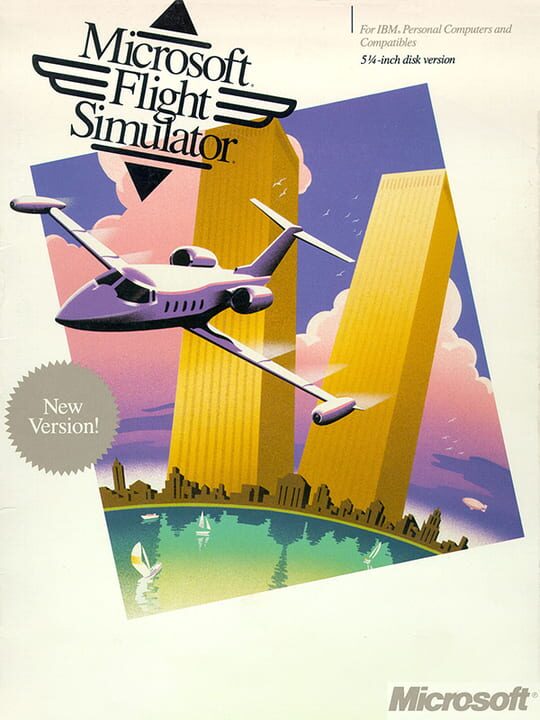
Microsoft Flight Simulator 3.0
Main Game
RELEASED
Dec 31, 1988
DOSbysubLOGIC•Microsoft
Overview:|
As a core entry in the simulation genre from 1988, Microsoft Flight Simulator 3.0 tasks players with mastering the mechanics of piloting aircraft on DOS. The gameplay loop focuses on realistic flight dynamics, requiring management of controls, navigation, and procedures across an expanded world map featuring new planes and airports. This version enhances the core experience through added content and refined simulation fidelity, appealing to those interested in technical aviation practice without a narrative structure.
This entry, released in late 1988 for the DOS platform, represents a significant iteration within the established series dedicated to aerial simulation. As a main game title, its design centers entirely on providing a realistic, systems-based piloting experience. The core objective for the player is mastering the mechanics of flight, navigation, and landing across a simulated world, rather than following a narrative structure.
Core Gameplay Loop and Mechanics
The gameplay loop is procedural, requiring the player to manage all phases of flight. This includes detailed pre-flight setup, managing engine performance during takeoff, maintaining precise control during cruise and approach, and executing successful landings. The simulation emphasizes the accurate representation of flight dynamics, meaning player success is directly tied to understanding and responding to variables like airspeed, altitude, and aircraft weight distribution.
Key mechanics involve interacting with the cockpit instrumentation. Players must monitor gauges for fuel consumption, engine temperature, and attitude indicators. The simulation environment reacts dynamically to these inputs, demanding consistent attention to the aircraft's performance envelope.
What new features define this version?
This iteration expanded the scope of the simulation significantly over its predecessors. Distinctive features include an expanded roster of aircraft, offering pilots varied handling characteristics to master. Furthermore, the geographical scope was broadened, incorporating a greater selection of recognizable airports and detailed world locations for navigation practice and exploration.
Setting and Scope of the Simulation
The setting is a procedural recreation of the real world, constrained by the graphical and processing capabilities of late 1980s DOS hardware. The atmosphere is technical and procedural, prioritizing the functional representation of flight instruments and the surrounding terrain for navigational purposes. The game functions as an open sandbox environment where the player defines their own challenges, such as perfecting instrument approaches or navigating between distant waypoints.
What is the current state of content availability?
As a standalone main game release from 1988, the content provided at launch constitutes the complete experience for this specific version. There are no official expansions, downloadable content packs, or subsequent remasters associated with this original release.
Audience Appeal
This simulation is primarily suited for players interested in the technical and procedural aspects of aviation. Those who enjoy systems management, precise control inputs, and environmental navigation challenges, rather than action-oriented gameplay, will find the core mechanics engaging.
Game Details
Primary Name: Microsoft Flight Simulator 3.0
Alternative Names:
Microsoft Flight Simulator (v3.0) (Other)
Type: Main Game
Series: Microsoft Flight Simulator
Developer: subLOGIC
Publisher: Microsoft
Release Information
Release Date: Dec 31, 1988
Genres & Themes
Genres: Simulator
Platforms
DOS
Game Modes
Perspective: First person
Player Modes: Single-player
Game Modes: Single player
Videos
No videos available for this game.
 Soren
Soren