
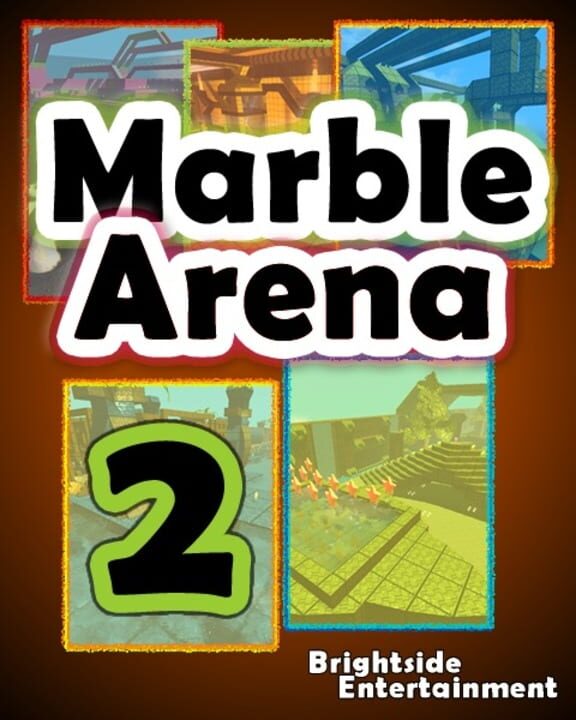
Marble Arena 2
Main Game
RELEASED
7.0
Dec 13, 2011
LinuxPC (Microsoft Windows)+1byBrightside Entertainment•Unknown
Overview:|
Marble Arena 2 is a main game, released in 2011, categorized as an Indie Platformer available on PC, Mac, and Linux. The core gameplay loop involves precisely controlling a rolling marble through intricate, physics-based 3D courses, demanding mastery over momentum, acceleration, and spatial reasoning to navigate obstacles and reach the goal. Its distinctive feature is the reliance on realistic rolling dynamics as the central mechanic, shifting the challenge toward nuanced control rather than traditional platforming inputs.
This title is a main game released in late 2011, offering an experience rooted in the platforming genre with distinct indie sensibilities. Available across Linux, PC (Microsoft Windows), and Mac platforms, it centers around physics-based challenges where players navigate intricate environments using a rolling sphere.
Core Gameplay Mechanics and Setting
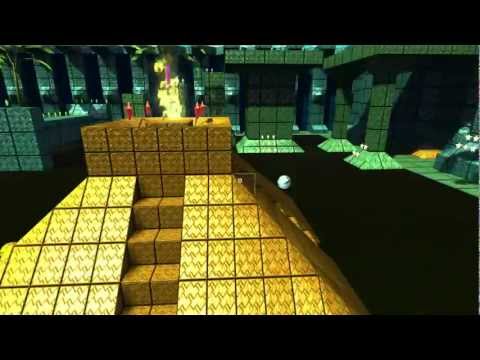
The central premise revolves around controlling a marble through a series of increasingly complex, three-dimensional courses. Success relies heavily on precise movement, momentum management, and understanding the physics engine that governs the marble's behavior. Players must utilize the environment to their advantage, often involving timing jumps, navigating narrow pathways, and avoiding hazards that can send the marble tumbling off the course.
The atmosphere is generally focused on the challenge of the level design itself, presenting a series of distinct arenas or mazes that test the player's dexterity and spatial reasoning. The gameplay loop involves repeated attempts at mastering each stage, learning the optimal path, and executing flawless runs to reach the goal.
What makes this game unique in the platform genre?
The primary distinguishing feature is the strict adherence to the marble physics simulation as the core interaction method. Unlike traditional character-based platformers, movement is dictated by rolling dynamics, requiring players to master concepts like acceleration, friction, and gravity in a controlled setting. This focus shifts the challenge from complex button combinations to nuanced analog control and environmental puzzle-solving.
Level Structure and Progression
Progression is typically structured through a series of distinct levels, each introducing new environmental elements or obstacles designed to complicate the rolling physics. These elements might include moving platforms, ramps, gravity-altering zones, or traps that require specific timing to bypass.
Available Content
As a standalone main title, this game does not feature any officially released downloadable content (DLC) or expansions. The experience is self-contained within the base package released in 2011.
Game Details
Primary Name: Marble Arena 2
Type: Main Game
Series: Marble Arena
Developer: Brightside Entertainment
Publisher: Unknown
Release Information
Release Date: Dec 13, 2011
Genres & Themes
Genres: Platform, Indie
Platforms
LinuxPC (Microsoft Windows)Mac
Game Modes
Perspective: Third person
Player Modes: Single-player
Game Modes: Single player, Multiplayer
Screenshots
No screenshots available for this game.
 Soren
Soren