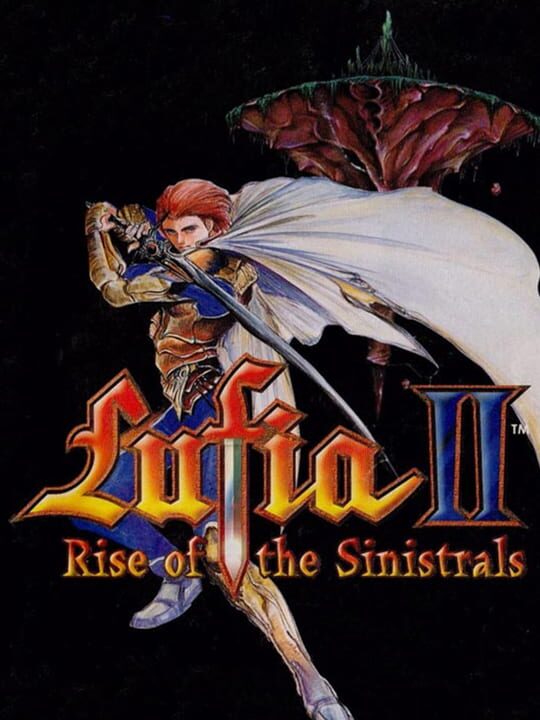
Lufia II: Rise of the Sinistrals
Main Game
RELEASED
8.3
Feb 24, 1995
Super Nintendo Entertainment SystemSuper FamicombyNeverland•Natsume Inc.
Overview:|
This 1995 Main Game blends traditional Japanese turn-based RPG combat with significant puzzle elements integrated into dungeon design, requiring item use for progression. You play as Maxim, seeking heroes to stop the powerful Sinistrals. Distinctive features include visible enemies in dungeons (no random encounters) and the "Capsule Monsters" system, where summoned creatures evolve by consuming gear or fruit. It has one known remake.
This is a classic role-playing game originally released in 1995 for the Super Nintendo Entertainment System and Super Famicom. Serving as a prequel to an earlier adventure, this title unfolds its narrative ninety-nine years prior, exploring the origins of the powerful antagonists known as the Sinistrals. Players step into the role of Maxim, the ancestor of the protagonist from the first installment, whose journey begins after an encounter with a mysterious woman named Iris. The core objective is to gather allies and prevent the Sinistrals, a group of super-humans, from bringing destruction to the world. The game adheres to the traditional Japanese-style turn-based RPG format while integrating substantial puzzle elements into its design.
Core Gameplay Mechanics and Structure
The gameplay loop combines traditional turn-based combat with significant environmental challenges. A defining characteristic of this experience is the integration of intricate puzzles within the dungeon layouts. Solving these often requires players to utilize specific items and accessories found throughout their quest.
What makes this game unique in its genre?
The primary distinguishing feature is the seamless blend of deep RPG progression with mandatory puzzle-solving segments. Furthermore, the game introduces the "Capsule Monsters" system. This mechanic allows players to summon monsters that actively participate in battles. These summoned creatures possess a unique evolution path, growing stronger by consuming in-game items such as weapons, armor, or special fruits.
Dungeon Exploration Innovation
Unlike many contemporaries in the genre, dungeons in this title notably lack random encounters. Enemies are visible on the screen, allowing players to choose when and how to engage in combat, adding a layer of tactical awareness to exploration.
Story Premise and Atmosphere
The atmosphere is set against the backdrop of an impending threat from the Sinistrals. The story focuses on Maxim’s quest to unite heroes against this overwhelming power. The narrative establishes the foundational lore for the series, detailing the rise of these formidable beings.
Additional Content Availability
This main game title does not feature any downloadable content (DLC) or official expansions. It has received one remake since its original 1995 release.
What can a casual gamer expect from the experience?
A casual gamer can expect a classic 16-bit RPG structure featuring strategic, turn-based battles. The experience is punctuated by mandatory environmental puzzles that require critical thinking and item management, offering a break from pure combat progression. The visible enemy placement also provides a degree of control over combat frequency during exploration.
Game Details
Primary Name: Lufia II: Rise of the Sinistrals
Alternative Names:
Estpolis 2 (Abbreviation)
Estpolis Denki II (Japanese title - romanization)
Lufia 2: Rise of the Sinistrals (Alternative spelling)
Type: Main Game
Series: Lufia
Developer: Neverland
Publisher: Natsume Inc., Nintendo, Taito
Release Information
Release Date: Feb 24, 1995
Genres & Themes
Genres: Puzzle, Role-playing (RPG)
Themes: Fantasy
Platforms
Super Nintendo Entertainment SystemSuper Famicom
Game Modes
Perspective: Side view
Player Modes: Single-player
Game Modes: Single player
Age Ratings
ESRB:E (Everyone)
Videos
No videos available for this game.
 Soren
Soren