
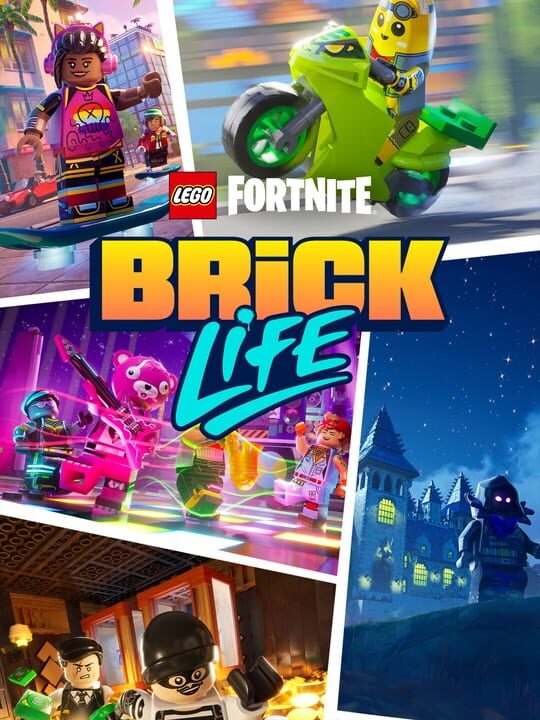
LEGO Fortnite: Brick Life
Overview:|
LEGO Fortnite: Brick Life, released in 2024, is a simulator adventure game where players build and manage a life within an evolving LEGO city. Core gameplay centers on social interaction, exploration, and taking on jobs to earn currency for home customization. This experience supports up to 32 players simultaneously, allowing for shared activities like visiting social hubs or racing. Community updates focus on new customization options and activities within the persistent world.
This title, released in late 2024, functions as a simulator adventure experience centered around establishing and managing a life within an evolving LEGO metropolis. The core experience blends social interaction, exploration, and extensive customization across PC and console platforms.
Core Gameplay and Social Structure
The primary gameplay loop involves players engaging with a persistent, shared world designed for up to 32 concurrent users. Activities are varied, encouraging social engagement, such as visiting in-game locations like restaurants or participating in competitive events like hoverboard racing. Progression often involves taking on various jobs and completing assigned tasks within the city environment.
Customization and Personal Space
A significant feature of this game is the depth of personal customization available to the player. You can acquire and furnish personal residences, tailoring the interior design to specific tastes. This personalized space serves as a hub where players can invite others to visit and interact, reinforcing the social aspect of the game.
What activities define the player experience?
Beyond standard life simulation elements, players engage in recreational activities. These include exploring the city environment, participating in organized races using specialized vehicles like hoverboards, and managing their character's daily routines and career progression within the LEGO setting.
World Interaction and Multiplayer
The game supports various modes, emphasizing both solo progression and cooperative or competitive multiplayer sessions. Interaction with Non-Player Characters (NPCs) drives many of the available quests and job opportunities, providing structure to the open-world exploration.
How is player progression handled?
Advancement is tied to completing objectives and accumulating resources used for purchasing new items, blueprints, and expanding personal property. The focus remains heavily on the simulation and creative aspects rather than combat or traditional RPG leveling systems.
Game Details
Release Information
Release Date: Dec 12, 2024
Genres & Themes
Genres: Simulator, Adventure
Themes: Sandbox, Open world, Action
Platforms
PlayStation 5PlayStation 4PC (Microsoft Windows)Xbox Series X|SAndroidXbox OneNintendo Switch
Game Modes
Perspective: Third person
Player Modes: Single-player
Game Modes: Single player, Multiplayer, Co-operative
Age Ratings
ESRB:E10+ (Everyone 10+)
CERO:C (15+)
USK:12+
GRAC:12+
CLASS_IND:12+
ACB:M (Mature)

 Soren
Soren