
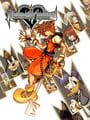
Kingdom Hearts: Chain of Memories
Main Game
RELEASED
7.8
Nov 11, 2004
Game Boy AdvancebyJupiter Corporation•Nintendo
Overview:|
This 2004 Role-playing/Turn-based strategy Main Game follows Sora into Castle Oblivion, where memories are lost. Gameplay centers on a unique card-based combat system where players manage decks to execute attacks and counter foes using numerical values. Progress involves reshaping floors into familiar worlds using memory-based "world cards." Its distinctive feature is this strategic deck-building mechanic, diverging from the series' typical action focus.
This title is a main entry in a major action role-playing series, originally released in 2004 exclusively for the Game Boy Advance. It functions as a direct sequel to the first game in the saga, immediately following its conclusion. The experience blends traditional role-playing elements with a distinct, card-based turn-based strategy combat system, setting it apart from other entries in the franchise.
Setting and Narrative Premise
The story picks up directly after the ending of the first adventure. The protagonist, Sora, and his companions find themselves within the mysterious Castle Oblivion, a location rumored to strip visitors of their memories upon entry. The atmosphere within the castle is stark, characterized by white, flower-themed décor in its transitional areas. Progress through the castle is unique: each floor can be reshaped into familiar locations from the previous journey, utilizing "world cards" generated from Sora's own fading recollections. These transformed worlds are drawn from both established Disney film settings and original locations created by the game's primary writers.
Core Gameplay Mechanics
The gameplay diverges significantly from its predecessor, shifting the focus to a unique card-based battle system. Combat is executed in a turn-based strategy format where players manage a deck of cards representing actions such as attacks, magic, and items. The primary gameplay loop involves exploring the castle, battling enemies using the card deck, and progressing floor by floor.
The Card System
Actions are executed by playing cards in sequence. The effectiveness and type of action are determined by the numerical value of the cards played. A key mechanic involves card sleights, powerful combinations achieved by playing cards in specific orders or layering them with other abilities. Furthermore, enemy actions can often be negated or countered by playing a card with a higher numerical value at the precise moment they attack, adding a layer of real-time tactical decision-making to the turn-based structure.
What makes this game unique in the series?
The primary distinguishing feature is the complete overhaul of the combat system, moving away from real-time action toward a strategic, deck-building, card-based structure. This mechanic dictates moment-to-moment gameplay, requiring players to constantly manage and optimize their card decks as they progress through the ever-changing structure of Castle Oblivion. This strategic depth is central to the entire experience.
Platform Availability and Revisions
As a main installment, this title focuses entirely on its core campaign within Castle Oblivion. This original 2004 release was exclusive to the Game Boy Advance platform. It is worth noting that this specific version has received one subsequent remake on other platforms since its initial launch, offering updated presentation options for modern audiences.
Game Details
Primary Name: Kingdom Hearts: Chain of Memories
Alternative Names:
Chain of Memories (Abbreviation)
Type: Main Game
Series: Kingdom Hearts
Developer: Jupiter Corporation
Publisher: Nintendo, Disney Interactive, Square Enix
Release Information
Release Date: Nov 11, 2004
Genres & Themes
Genres: Role-playing (RPG), Turn-based strategy (TBS)
Themes: Action, Fantasy, Comedy
Platforms
Game Boy Advance
Game Modes
Perspective: Side view
Player Modes: Single-player
Game Modes: Single player, Multiplayer
Age Ratings
ESRB:E (Everyone)
PEGI:3+
ACB:PG (Parental Guidance)
Low level animated violence

 Soren
Soren