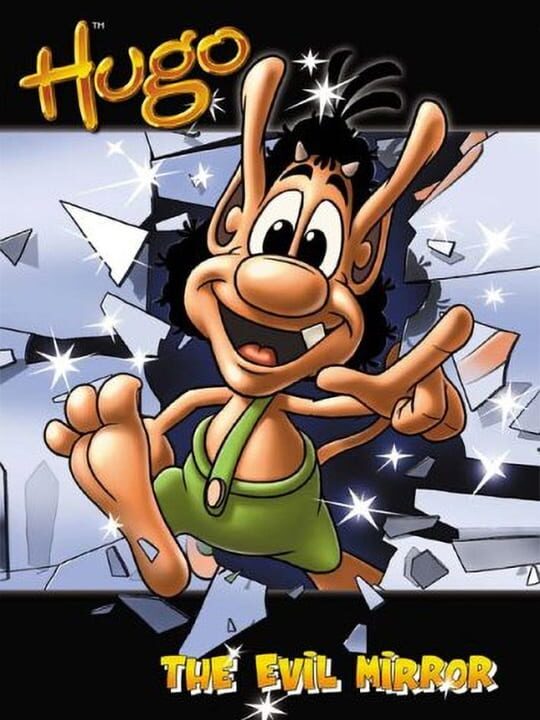
Hugo: The Evil Mirror
Main Game
RELEASED
6.0
May 2, 2002
PC (Microsoft Windows)PlayStation+1byITE Media
Overview:|
Hugo: The Evil Mirror is a 2002 Arcade Platformer where you must rescue Hugo from the witch Scylla by traversing three distinct worlds. The core gameplay involves using a unique freeze gun to turn monsters into ice cubes, which can then be pushed off ledges or combined for power-ups, making enemy manipulation central to progression across these challenging environments.
This is a main-line title originally released in 2002, categorized primarily as a Platform and Arcade experience. The core premise centers on a rescue mission: the antagonist, the evil witch Scylla, has managed to trap the protagonist within a magical mirror. Players are tasked with navigating through three distinct worlds to secure his freedom, with each realm presenting unique challenges and guarded by formidable monsters. The game was made available on platforms including PC (Microsoft Windows), PlayStation, and legacy mobile devices.
Core Gameplay and Mechanics
The gameplay loop revolves around navigating various environments while utilizing a specific tool to overcome obstacles and enemies. A central mechanic involves the use of a freeze gun.
This device allows players to temporarily incapacitate adversaries by turning them into ice cubes. Once frozen, these enemies become interactive elements within the level design. Players can manipulate these frozen forms by pushing them off ledges to clear paths or by combining multiple frozen monsters. Combining these frozen entities serves a strategic purpose, often resulting in the acquisition of valuable power-ups necessary for progression.
What makes this game unique in the platforming genre?
The integration of the freeze-and-manipulate mechanic sets this title apart within the platforming genre. Instead of simply defeating enemies through direct confrontation, players must strategically utilize them as temporary environmental objects to solve puzzles or gain advantages. The structure requires traversing three separate worlds, each presenting its own set of monsters and challenges that must be overcome using these specialized tools.
Setting and Atmosphere
The atmosphere is driven by the quest to break a magical confinement. The journey takes the player across three distinct worlds, each secured by powerful, dangerous creatures serving the antagonist, Scylla. Success hinges on mastering the unique combat and puzzle mechanics within these varied settings.
Game Content Availability Status
As a main game released in 2002, this title does not feature any additional downloadable content (DLCs) or expansions. There are currently no official remakes or remasters available for this specific version.
Game Details
Primary Name: Hugo: The Evil Mirror
Alternative Names:
Hugo: Det Afskyelige Spejl
Type: Main Game
Series: Hugo
Developer: ITE Media
Publisher: ITE Media, Namco
Release Information
Release Date: May 2, 2002
Genres & Themes
Genres: Platform, Arcade
Themes: Action
Platforms
PC (Microsoft Windows)PlayStationLegacy Mobile Device
Game Modes
Perspective: Third person
Player Modes: Single-player
Game Modes: Single player
Age Ratings
ESRB:E (Everyone)
Videos
No videos available for this game.
 Soren
Soren