
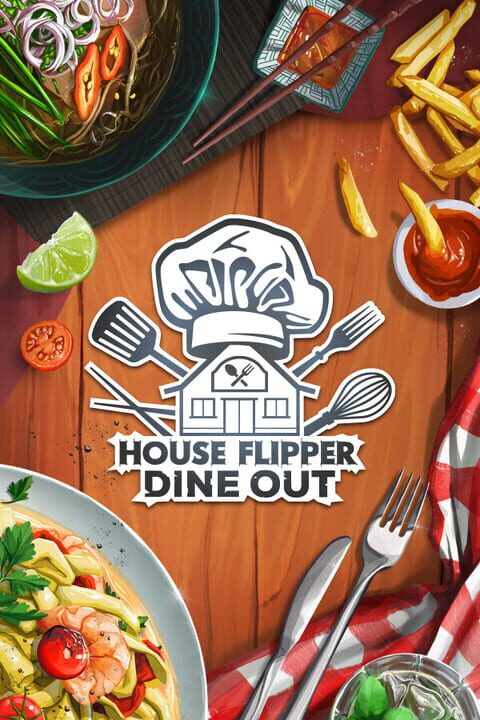
House Flipper: Dine Out
Overview:|
House Flipper: Dine Out, released in late 2024, is a simulation game where you acquire, renovate, and manage restaurant properties for leasing. The core loop involves detailed interior design using a furniture grid measurement system and streamlining kitchen operations with the Universal Cooker feature. This title focuses on property management and creative renovation within a culinary business setting.
Released in 2024, this simulator places the player in the role of a property manager focused specifically on the hospitality sector. The game is available across PC, Mac, PlayStation 4, and Xbox One platforms.
Core Gameplay Loop
The central activity involves acquiring distressed or underdeveloped properties with the intent of transforming them into operational dining establishments. This process begins with purchasing the location, followed by extensive renovation work. Players handle tasks such as demolition, construction, painting, and installing utilities and fixtures necessary for a functional restaurant space.
Once the physical structure is complete, the player leases the finished space to aspiring restaurateurs. Success is tied to the quality of the renovation and the subsequent tenant's ability to operate profitably.
Design and Customization Mechanics
A significant component of the experience is the detailed interior design phase. Players utilize a furniture grid measurement system, allowing for precise placement and configuration of tables, seating, counters, and decorative elements to maximize both aesthetics and functionality within the commercial space.
What makes this game unique?
Distinctive features streamline the simulation aspects of restaurant management. Notably, the inclusion of a Universal Cooker mechanic is designed to simplify and standardize the food preparation aspects within the simulation, allowing players to focus more heavily on the property management and design elements rather than complex culinary simulation.
Game Modes and Scope
The primary game mode centers on this career progression, moving from initial property acquisition through renovation, leasing, and management oversight within the restaurant industry.
What are the key tools for detailed design?
The emphasis on spatial planning is supported by the detailed grid system, which is crucial for ensuring that the layout adheres to practical requirements while meeting the aesthetic demands of potential tenants.
Game Details
Primary Name: House Flipper: Dine Out
Type: DLC
Part of: House Flipper
Developer: Frozen District, Empyrean, Ultimate Games
Publisher: Frozen District, Ultimate Games, PlayWay
Release Information
Release Date: Nov 26, 2024
Genres & Themes
Genres: Simulator, Indie
Themes: Non-fiction
Platforms
PlayStation 4PC (Microsoft Windows)Xbox OneMac
Game Modes
Perspective: First person
Player Modes: Single-player
Game Modes: Single player
Videos
No videos available for this game.
 Soren
Soren