
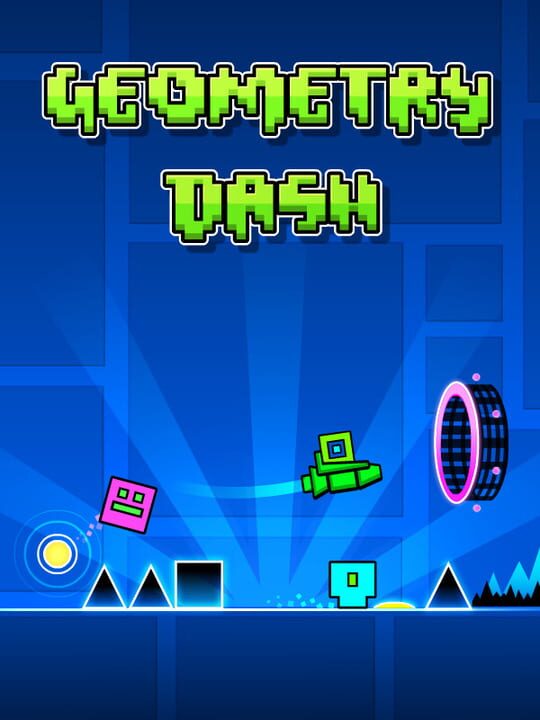
Geometry Dash
Main Game
RELEASED
7.5
Aug 12, 2013
iOSPC (Microsoft Windows)+2byRobTop Games
Overview:|
This rhythm-based action platformer, first released in 2013, challenges you to jump and fly through dangerous passages synchronized precisely to high-energy music. The core gameplay loop demands mastering simple, timed inputs—jumps, flights, and gravity shifts—to navigate dense obstacle courses. Its distinctive feature is the absolute reliance on musical timing for success, offering an abstract, challenging experience focused purely on mechanical execution across various geometric modes.
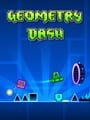
This is a rhythm-based action platformer that challenges players to navigate intricate, obstacle-filled courses synchronized precisely to the background music. Released in 2013, the core experience centers on precise timing and quick reflexes as players control a geometric icon through various stages filled with spikes, gaps, and moving hazards. The atmosphere is defined by its vibrant, often neon-lit aesthetic and relentless musical pacing, demanding constant attention to succeed.
Core Gameplay Mechanics
The primary gameplay loop involves continuous forward movement where the player must execute timely inputs—chiefly jumps and short flights—to avoid instant failure upon contact with obstacles. The control scheme is intentionally simple, often relying on a single button press to initiate actions.
Players transition between several distinct modes of movement within a single level, including:
- Standard cube jumps.
- Ship segments requiring directional control for flight.
- Ball segments that allow for gravity manipulation.
- UFO segments that require holding input to ascend.
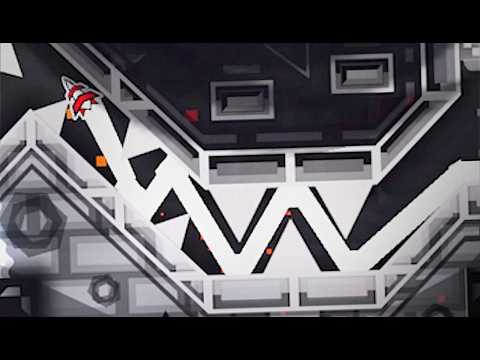
- Wave segments demanding precise, continuous vertical adjustments.
Success hinges on mastering the timing of these transitions in conjunction with the level's soundtrack, as the music dictates the rhythm of the required actions.
What makes this game unique in the platformer genre?
The defining feature is the absolute synchronization between gameplay and music. Unlike traditional platformers where music sets ambiance, here the music functions as the primary timing guide. Furthermore, the game heavily emphasizes a high level of difficulty, often requiring repeated attempts to memorize complex sequences of jumps and maneuvers.
Setting and Atmosphere
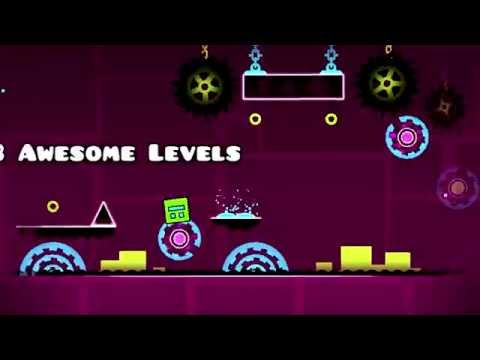
The game world is abstract, focusing on geometric shapes and environments that change dynamically based on the musical track. There is no traditional narrative or storyline; the focus is entirely on the challenge presented by the level design itself. The atmosphere is intense, driven by high-energy electronic music tracks that accompany the fast-paced action.
Platform Availability and Content
This title is available across multiple major platforms, including iOS, PC (Microsoft Windows), Android, and Mac.
As a main game release, the content is self-contained. There are currently no official downloadable content (DLC) packs, expansions, remakes, or remasters associated with this specific version of the game.
How challenging is the typical level?
Levels are designed to be highly challenging, often requiring players to learn precise sequences through trial and error. While the basic controls are straightforward, the complexity arises from the density and speed of the obstacles presented, pushing players to their limits of reaction time.
Game Details
Primary Name: Geometry Dash
Alternative Names:
GD (Abbreviation)
Square Game (Alternative title)
GeometryDash.exe (Windows Executable)
Type: Main Game
Series: Geometry Dash
Developer: RobTop Games
Publisher: RobTop Games
Engine: Cocos2d-x
Release Information
Release Date: Aug 12, 2013
Genres & Themes
Genres: Music, Platform, Indie, Arcade
Themes: Action, Science fiction
Platforms
iOSPC (Microsoft Windows)AndroidMac
Game Modes
Perspective: Side view
Player Modes: Single-player
Game Modes: Single player
Age Ratings
ESRB:E (Everyone)
PEGI:3+
CLASS_IND:L (All Ages)
ACB:G (General)
General
 Soren
Soren