

Frostpunk: 1886
Overview:|
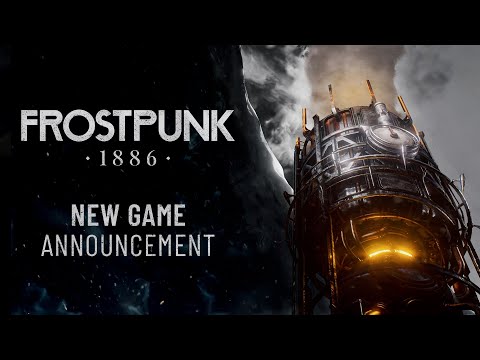
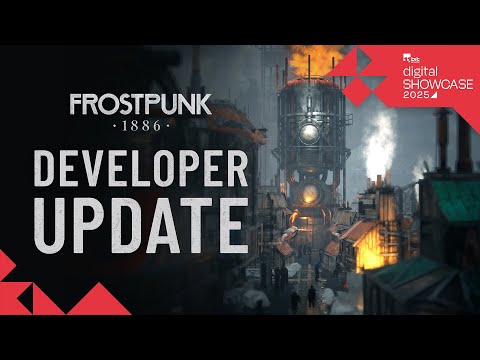
Frostpunk: 1886 is a strategy simulator set for release in 2027 where you lead humanity's last city against a frozen apocalypse. The core gameplay loop involves intense resource management, city building, and enacting laws to manage citizen hope and discontent. Players must navigate difficult moral choices and strategic challenges to ensure societal survival in this harsh, thematic setting.
This title is a strategy simulator set for release in 2027, placing the player in the role of the governing leader of humanity's last remaining city amidst a catastrophic, frozen global environment. The core experience revolves around maintaining societal function and ensuring the survival of the populace against extreme environmental pressures.
Core Gameplay Loop: Survival and Governance
The primary gameplay loop centers on intensive resource management, city construction, and civic administration. Players must strategically gather essential resources—such as coal for heat and food production—to keep the city operational. Expansion requires careful planning of infrastructure placement to maximize efficiency while mitigating the constant threat of plummeting temperatures.
A significant component involves managing the population's needs and morale. This is achieved through enacting specific laws and establishing social structures. These decisions often present difficult moral trade-offs, where short-term gains in efficiency might lead to long-term societal unrest or ethical compromises. The game features a single-player experience focused entirely on this persistent survival challenge.
What are the distinctive features of this city builder?
The setting is defined by its harsh, unrelenting cold, which acts as the central antagonist. Unlike typical city builders, the focus shifts heavily toward crisis management and ethical governance under duress. Players must utilize technology, such as steam-powered generators, to maintain livable conditions.
Navigating Moral Dilemmas
The narrative framework forces players to confront difficult choices regarding labor laws, public order, and the allocation of scarce medical supplies. These choices directly influence the city's stability and the player's reputation as a leader. The game integrates these narrative choices directly into the strategic mechanics, meaning governance is as critical as engineering.
How does the gameplay evolve?
The experience is designed around escalating challenges presented through dynamic events that test the limits of the established city infrastructure. While the core mechanics involve building and resource allocation, the introduction of new scenarios and mechanics, reimagining elements from the original concept, ensures that established strategies must adapt to evolving threats.
The game emphasizes strategic depth through its interconnected systems: heat distribution, worker allocation, technological research, and public faith must all be balanced simultaneously to prevent societal collapse.
Game Details
Release Information
Release Date: Dec 31, 2027
Genres & Themes
Genres: Simulator, Strategy
Themes: Drama, Survival
Platforms
PC (Microsoft Windows)
Game Modes
Perspective: Bird view / Isometric
Player Modes: Single-player
Game Modes: Single player
 Soren
Soren