
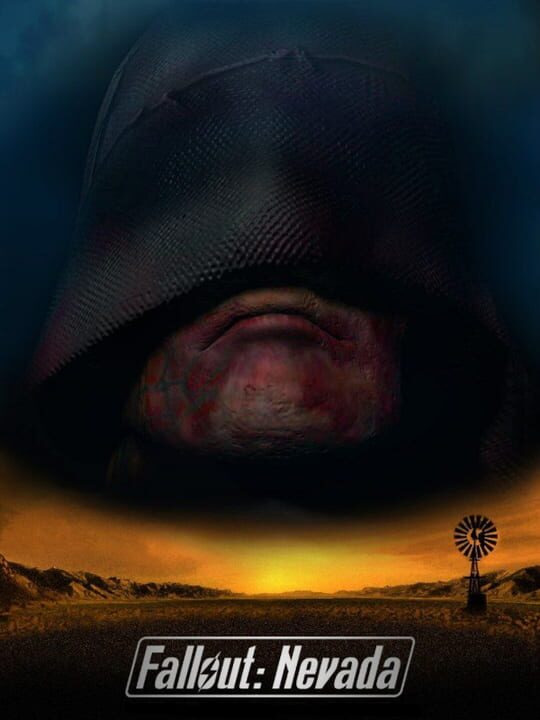
Fallout: Nevada
Overview:|
Fallout: Nevada, released in 2015, is a role-playing game functioning as a total conversion mod for Fallout 2. Players engage in a new, extensive campaign set within the post-apocalyptic Fallout universe, featuring deep character customization and a narrative where player choices significantly impact the branching story progression.
This title is a significant role-playing game (RPG) experience that first became available in 2015 for PC platforms. It functions as a total conversion modification built upon the foundation of an established post-apocalyptic engine, introducing entirely new content to that universe.
Core Gameplay Mechanics and Setting
The primary gameplay loop centers on exploration, character development, and narrative decision-making within a harsh, irradiated environment. Players engage in tactical, turn-based combat, managing skills, attributes, and inventory resources crucial for survival. Character progression is managed through experience points (XP) earned by completing quests and overcoming challenges.
The setting shifts the focus to a different region within the established post-apocalyptic lore, taking place chronologically before the events of the source material it modifies. This allows players to experience the world during an earlier, distinct phase of its recovery and conflict.
Narrative Structure and Player Agency
The story presents a branching narrative where player choices have tangible consequences on the unfolding plot and the fate of various factions encountered. Character customization is deep, allowing players to define their protagonist's background and specialized abilities, which directly impacts dialogue options and mission approaches.
What defines the central conflict of this experience?
The core narrative revolves around navigating the complex political and survival landscape of the new territory. Players are tasked with uncovering secrets related to the region's past while dealing with immediate threats from mutated creatures and hostile human groups. The emphasis is on player agency shaping the outcome of this localized struggle.
Distinctive Features and Current State
As a total conversion, this game features a completely original world map, new quests, unique items, and a roster of original non-player characters (NPCs). This provides a substantial, self-contained campaign separate from the original game's storyline.
How has the community reception influenced the game since its 2015 release?
Since its initial release, the game has seen continued support primarily through community-driven patches and stability updates, ensuring compatibility with modern operating systems. While official development ceased some time ago, the community remains active, often refining existing mechanics and occasionally introducing new, unofficial content expansions that build upon the established framework.
Is this experience accessible to players unfamiliar with the original engine?
While the underlying mechanics are rooted in older RPG design principles, the comprehensive nature of the conversion means that the new content is designed to be experienced as a standalone story. However, familiarity with classic isometric RPG interfaces and turn-based systems will enhance the initial learning curve.
Game Details
Primary Name: Fallout: Nevada
Type: Mod
Part of: Fallout 2
Developer: Nevada Band
Publisher: Nevada Band
Release Information
Release Date: Mar 10, 2015
Genres & Themes
Genres: Role-playing (RPG)
Platforms
PC (Microsoft Windows)
Game Modes
Perspective: Bird view / Isometric
Player Modes: Single-player
Game Modes: Single player
 Soren
Soren