
East Scarp
Overview:|
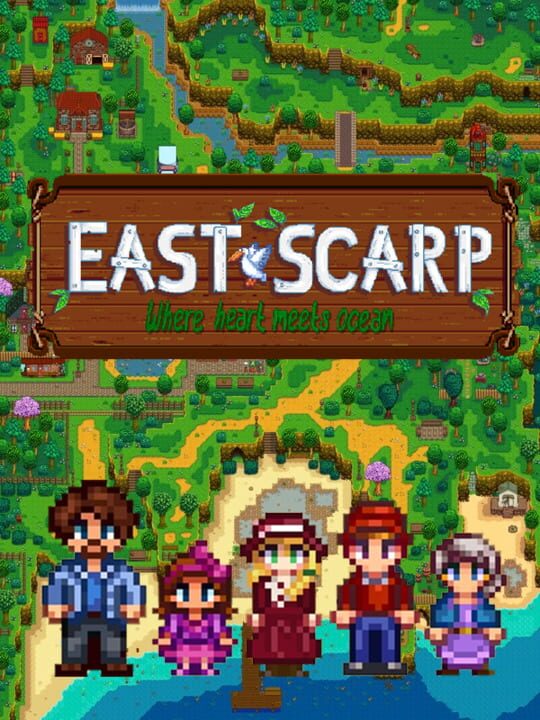
East Scarp, released in 2020, is a simulation game focused on expanding a coastal neighborhood setting. Core gameplay involves exploring new locations, discovering unique fish, interacting with new non-player characters (NPCs), and completing special orders. A distinctive feature is its function as a hub that supports the integration of custom NPCs without requiring extensive map modifications.
Released in 2020, this title operates as an expansion and modification hub for a popular life simulation experience. It shifts the focus to a specific coastal neighborhood adjacent to the established town area, introducing new geographical locations for players to interact with.
Core Gameplay Loop and Mechanics
The primary gameplay loop centers on exploration, social interaction, and commerce within the new locale. Players engage with a roster of newly introduced non-player characters (NPCs), each possessing unique dialogue trees and relationship arcs. A significant component involves discovering and acquiring new types of regional fish, suggesting an emphasis on the game's existing fishing mechanics.
Furthermore, the environment features specialized shops that offer unique goods and services not available in the main area. Players can undertake specific tasks or fulfill special orders presented by these new residents, which drives progression and unlocks further content within the neighborhood.
Setting and Atmosphere
The setting is established as East Scarp, a distinct coastal district. The atmosphere blends the familiar simulator elements with a localized focus, encouraging players to integrate this new area into their established routine. The game modes supported include single-player, cooperative play, and potentially other structured multiplayer formats, depending on the base game integration.
What makes this content hub unique?
The most distinctive feature of this experience is its function as a central point for integrating custom content. It is specifically designed to allow players to introduce and utilize custom NPCs and related content without requiring extensive modification of the core game world maps. This modular approach allows for significant personalization of the social environment.
Exploration and Discovery
Exploration is rewarded through the discovery of hidden areas and new collectible items, particularly new species of fish unique to the coastal waters surrounding the Scarp. This mechanic encourages repeated visits and interaction with the environment.
Social Integration
Building relationships with the expanded cast of characters is central. Each new NPC contributes to the narrative fabric of the neighborhood, offering different perspectives and potential storylines as player affinity increases.
Game Details
Release Information
Release Date: Apr 19, 2020
Genres & Themes
Genres: Simulator, Indie
Themes: Fantasy
Platforms
PC (Microsoft Windows)
Game Modes
Perspective: Bird view / Isometric
Player Modes: Offline Co-op, Online Co-op, LAN Co-op, Split Screen, Multiplayer
Game Modes: Single player, Co-operative, Split screen
Videos
No videos available for this game.
 Soren
Soren