
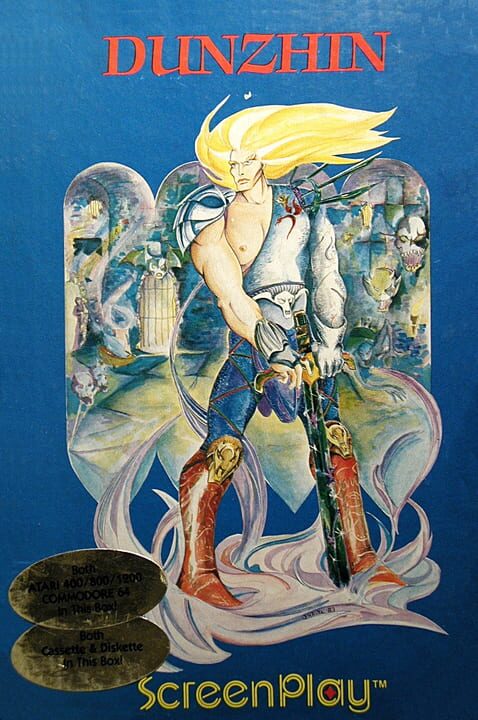
Dunzhin
Main Game
RELEASED
Dec 31, 1982
DOSAtari 8-bit+3byIntelligent Statements, Inc.•Computer Applications Unlimited
Overview:|
Dunzhin is a classic Role-Playing Game (RPG) first released in 1982, operating within the established lore of "The Temple of Apshai." The core gameplay involves traditional dungeon exploration, character development, and tactical decision-making across early computer platforms like DOS and Apple II. As a standalone main title, it offers a foundational adventure experience focused on strategic survival and resource management characteristic of early computer fantasy games.
This is a classic role-playing game originally released in late 1982, designed for early home computer systems. It offers an experience rooted in the foundational era of the genre, set within the established lore of "The Temple of Apshai" universe. Players step into a world requiring exploration, character development, and strategic decision-making typical of early computer RPGs. The game was made available across multiple platforms, including DOS, the Atari 8-bit line, Commodore 64/128/MAX, TRS-80, and Apple II systems.
Core Gameplay and Setting
The experience centers on traditional role-playing mechanics prevalent in the early 1980s. Players engage in dungeon crawling and adventure within a fantasy setting established by its thematic context. Success relies on managing character statistics, navigating dangerous environments, and overcoming challenges through tactical choices.
The primary gameplay loop involves venturing into hostile territories, encountering various obstacles, and improving the player character's capabilities over time. As a main title, it provides the complete, self-contained adventure experience intended by its creators.
What makes this game unique in the context of its time?
Its distinction lies in its direct connection to the established world of "The Temple of Apshai," positioning it as an entry within a specific, recognized early computer fantasy setting. For players familiar with that era of computer role-playing, this connection provides immediate context for the atmosphere and challenges awaiting them.
Platform Availability and Release Context
This title debuted in late 1982, making it a significant piece of early computer gaming history. It was developed to run on the dominant 8-bit and early PC hardware of the time, ensuring wide accessibility across various home computers of that generation.
Additional Content Status
It is important to note that this title stands alone. There are currently no recorded official expansions, downloadable content (DLCs), remakes, or remasters associated with this specific version of the game.
Exploring the Atmosphere
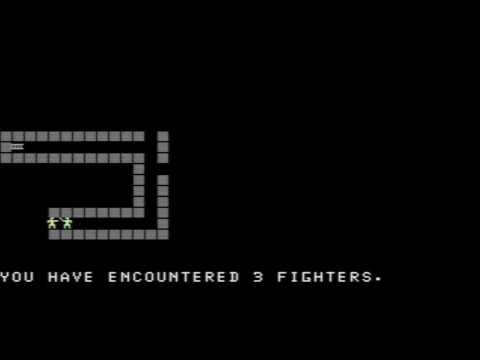
The atmosphere is characteristic of early computer RPGs, focusing on text-based or simple graphical representations of deep fantasy exploration. The challenge is often derived from resource management and strategic risk assessment rather than complex visual presentation.
Game Details
Primary Name: Dunzhin
Alternative Names:
Warrior of Ras: Volume One - Dunzhin
Type: Main Game
Series: Warriors of Ras
Developer: Intelligent Statements, Inc.
Publisher: Computer Applications Unlimited, Screenplay
Release Information
Release Date: Dec 31, 1982
Genres & Themes
Genres: Role-playing (RPG)
Themes: Fantasy
Platforms
DOSAtari 8-bitCommodore C64/128/MAXTRS-80Apple II
Game Modes
Perspective: Bird view / Isometric
Player Modes: Single-player
Game Modes: Single player
 Soren
Soren