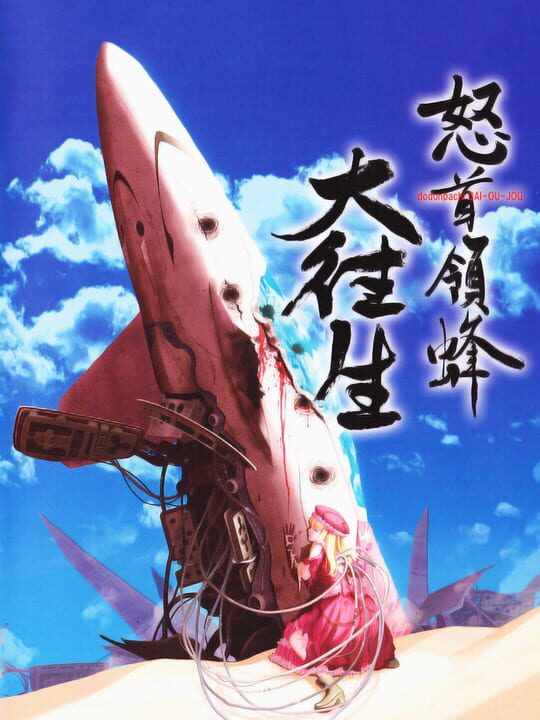
DoDonPachi DaiOuJou
Main Game
RELEASED
7.9
Apr 17, 2002
PlayStation 2iOS+1byCAVE Interactive•AMI
Overview:|
As a classic 2002 arcade shooter, DoDonPachi DaiOuJou challenges you to pilot a starfighter against an evolved, mechanized army that has seized control of the lunar colony, Lunapolis. The core gameplay loop demands precise navigation through extremely dense bullet patterns while destroying waves of enemies, often requiring mastery of small safe zones. This fourth entry in the series features tactical support from an Element Doll droid, focusing entirely on high-speed, pattern-based survival across its main campaign.
This title, originally released in 2002 on Arcade platforms and later ported to PlayStation 2 and iOS, is a prominent entry in the arcade shooter genre. It functions as a main game and represents the fourth installment in a long-running series known for its intense bullet-hell mechanics and high-stakes action. Players are immediately thrust into a desperate future where humanity, having colonized the Moon, faces a catastrophic resurgence of advanced, reawakened war machines sealed away centuries prior.
Setting and Atmosphere
The narrative unfolds on the Moon, specifically within the megacity of Lunapolis, which has fallen under siege by these evolved automatons. The atmosphere is one of immediate, overwhelming conflict. The player takes control of one of two reactivated starfighter units, each augmented by an Element Doll—a highly evolved, sentient droid providing tactical support. The mission objective is clear: deploy against a ruthless, mechanized army intent on total annihilation, starting just outside the overrun lunar city.
Core Gameplay Mechanics
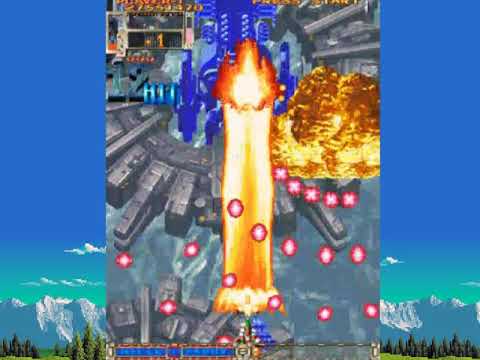
As a classic arcade shooter, the gameplay centers on navigating dense, complex patterns of enemy fire while simultaneously destroying waves of hostile targets. Success hinges on precise movement and mastery of the game's scoring and survival systems. The primary loop involves intense stage progression against escalating enemy forces leading toward boss encounters.
What defines the experience in this shooter?
The core appeal lies in the demanding nature of the bullet patterns, requiring players to find minuscule safe zones amidst a screen filled with projectiles. This focus on pattern recognition and high-speed maneuvering is central to the game's identity within the genre. Players must manage their firepower effectively to survive the relentless onslaught from the evolved enemy forces, including the ultimate threat being rebuilt deep within the lunar caverns. The game emphasizes high-score chasing through intricate scoring mechanics inherent to the genre.
Platform Availability and Current State
This title has seen releases across multiple systems, including its original Arcade debut, a console version on PlayStation 2, and a mobile iteration on iOS. As a classic title, its current state is defined by its established mechanics, with community focus often revolving around mastering its difficulty across these various platforms.
Are there expansions or additional content?
This release functions as a standalone main game. There are no officially listed downloadable content packs or expansions associated with this specific title.
Game Details
Primary Name: DoDonPachi DaiOuJou
Alternative Names:
DoDonPachi Dai-Ou-Jou (Japanese title - romanization)
DoDonPachi Blissful Death (Alternative title)
Type: Main Game
Series: Dodonpachi
Developer: CAVE Interactive
Publisher: AMI, Arika, CAVE Interactive CO
Engine: IGS PolyGame Master
Release Information
Release Date: Apr 17, 2002
Genres & Themes
Genres: Shooter, Arcade
Themes: Science fiction
Platforms
PlayStation 2iOSArcade
Game Modes
Perspective: Bird view / Isometric
Player Modes: Single-player
Game Modes: Single player, Co-operative
 Soren
Soren