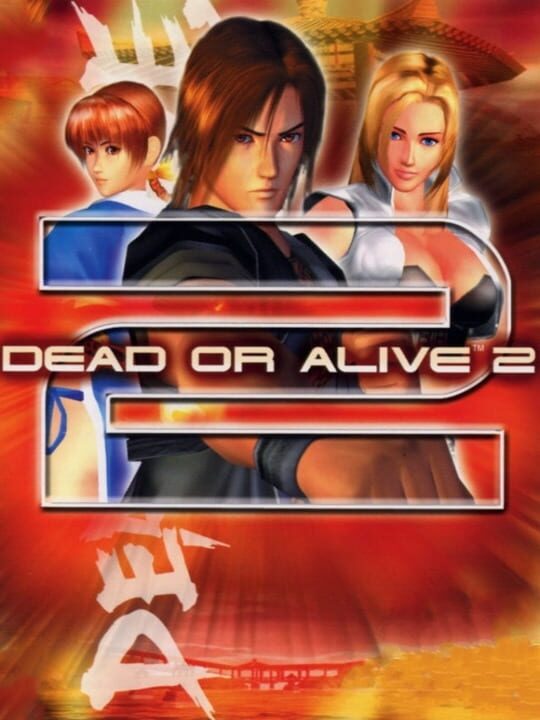
Dead or Alive 2
Main Game
RELEASED
7.6
Oct 16, 1999
PlayStation 2Dreamcast+1byTeam NINJA•Tecmo
Overview:|
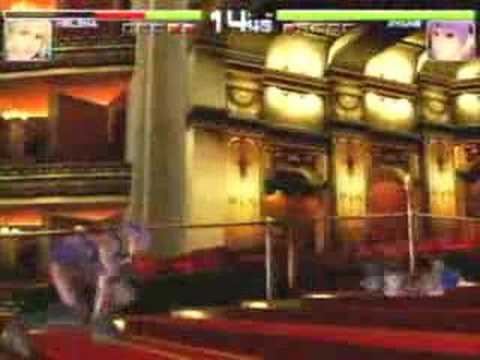
This 1999 main fighting game centers on the second Dead or Alive World Combat Championship, promoted by the villainous Victor Donovan. Gameplay is built on a core triangle system: blows, throws, and holds, where offensive blows are risky due to throw counters. A key feature is the stun system, allowing for extended combos if attacks are timed correctly while the opponent is staggered. Arenas are highly interactive, featuring multi-tiered layouts where falling off ledges causes significant damage, and surfaces like ice or water can induce stuns on hit.
This 1999 release is a core entry in a celebrated fighting game franchise, originally available on Arcade, Dreamcast, and PlayStation 2. It continues the high-octane, 3D combat experience that defines the series, building upon established mechanics while introducing significant environmental and system changes that alter the flow of battle. The game centers around the second iteration of the Dead or Alive World Combat Championship, a tournament shrouded in mystery following the death of its original sponsor, Fame Douglas. The new promoter, Victor Donovan, brings a darker, more chaotic atmosphere to the competition, setting the stage for intense confrontations among the world's elite fighters.
Core Fighting Mechanics: The Triangle System
The foundation of the combat system revolves around a crucial, circular relationship between three types of moves: blows, throws, and holds. This rock-paper-scissors dynamic requires players to constantly anticipate and counter their opponent's chosen attack type.
A significant differentiator from other fighters of the era is the game's emphasis on punishing offensive risks. Many standard blows, even when they connect successfully, can be countered by an opponent's faster throws if the attacker is not careful about follow-up safety upon hitting or blocking.
The Stun System and Environmental Interaction
A defining feature of this installment is the stun system. Successfully landing certain attacks can temporarily leave an opponent stunned—unable to attack or guard, though they retain the ability to execute a hold. This mechanic allows for complex offensive sequences, as subsequent non-knockdown attacks can re-stun the opponent in specific ways based on the attack used.
Furthermore, the stages themselves are highly interactive elements. Fights frequently take place across multi-tiered arenas featuring ledges and walls. Being knocked off a ledge results in a significant fall, dealing substantial damage, though this specific action cannot result in a knockout. Certain surfaces, such as water or ice, introduce unique properties, causing non-launching attacks to induce a stun upon a successful hit.
What makes the combat flow different in this title?
The combination of the blow/throw/hold triangle, the risk associated with standard striking offense due to throw counters, and the environmental hazards creates a fast-paced, high-stakes combat environment. Character weight categories also play a role, influencing how fighters react to being launched and juggled during combos.
Game Content and Availability
As a main title in the series, this game delivers the complete core experience. There are no officially released Downloadable Content (DLC) packs or expansions associated with this specific version.
It is worth noting that this title has received one official remake since its initial release, offering updated visuals or platform compatibility for modern audiences.
Game Details
Primary Name: Dead or Alive 2
Alternative Names:
DOA2 (Acronym)
Type: Main Game
Series: Dead or Alive
Developer: Team NINJA
Publisher: Tecmo
Release Information
Release Date: Oct 16, 1999
Genres & Themes
Genres: Fighting, Arcade
Themes: Action
Platforms
PlayStation 2DreamcastArcade
Game Modes
Perspective: Third person
Player Modes: Offline Co-op, Multiplayer
Game Modes: Single player, Multiplayer, Co-operative
Age Ratings
ESRB:T (Teen)
CLASS_IND:16+
 Soren
Soren