
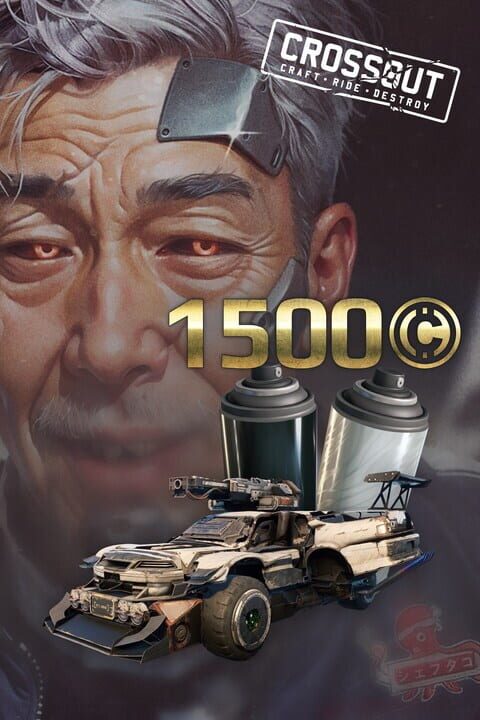
Crossout: Speed demon
Overview:|
Crossout: Speed demon is a vehicular combat shooter released in 2024, set in a post-apocalyptic setting. The core gameplay loop involves players building and extensively customizing armored vehicles using diverse parts, weapons, and armor. Combat centers on fast-paced Player vs Player (PvP) engagements where vehicle destruction is a key element, featuring destructible environments and physics-based combat mechanics.
This title is a vehicular combat shooter set within a harsh, post-apocalyptic world. Released in 2024, the core experience centers on the construction, customization, and piloting of armored fighting machines in competitive player-versus-player (PvP) engagements.
Core Gameplay Loop: Build and Battle
The primary gameplay loop involves players gathering resources and blueprints to design unique combat vehicles. Customization is extensive, allowing modification of chassis, armor plating, movement systems (wheels, tracks, or hover units), and weaponry. Success in combat directly influences the resources available for future upgrades.
Vehicle Engineering and Physics
A distinctive feature of the combat system is the emphasis on modular damage and realistic physics. Weapons target specific vehicle components; for example, destroying an enemy's wheels or weapon mounts is a viable strategy rather than relying solely on a central health bar. This necessitates careful placement of armor to protect vital systems.
Combat Structure and Environment
Combat takes place in fast-paced PvP matches across various arenas. Players utilize their custom-built machines to engage opponents in team-based or free-for-all scenarios. The environments themselves are often destructible, meaning player actions and vehicle impacts can alter the battlefield dynamically during a match.
What defines the combat experience?
The combat is defined by the synergy between vehicle design and tactical piloting. A vehicle heavily armored but slow may excel in defensive positions, while a lightly armored, high-mobility build might focus on flanking maneuvers. Weapon types range from machine guns and cannons to explosives and melee attachments, each requiring different engagement ranges and tactical approaches.
Progression and Customization Depth
Progression is tied to unlocking new structural parts, rare weapons, and specialized modules through gameplay achievements and crafting. The sheer volume of available components allows for highly specialized vehicle builds catering to different combat roles, such as long-range artillery support or close-quarters ramming units.
Community Reception Snapshot
Feedback often highlights the deep engineering aspect of the game, where creativity in vehicle design is as crucial as combat skill. While the core PvP remains a central focus, ongoing support typically involves introducing new part tiers and balancing adjustments to maintain competitive viability across the diverse range of available builds.
Game Details
Primary Name: Crossout: Speed demon
Type: Pack / Addon
Part of: Crossout
Developer: Unknown
Publisher: Unknown
Release Information
Release Date: Aug 8, 2024
Genres & Themes
Genres: Shooter
Platforms
Xbox One
Game Modes
Perspective: Unknown
Player Modes: Single-player
Age Ratings
ESRB:T (Teen)
PEGI:7+
USK:12+
GRAC:ALL (All Ages)
CLASS_IND:L (All Ages)
ACB:PG (Parental Guidance)
Videos
No videos available for this game.
 Soren
Soren