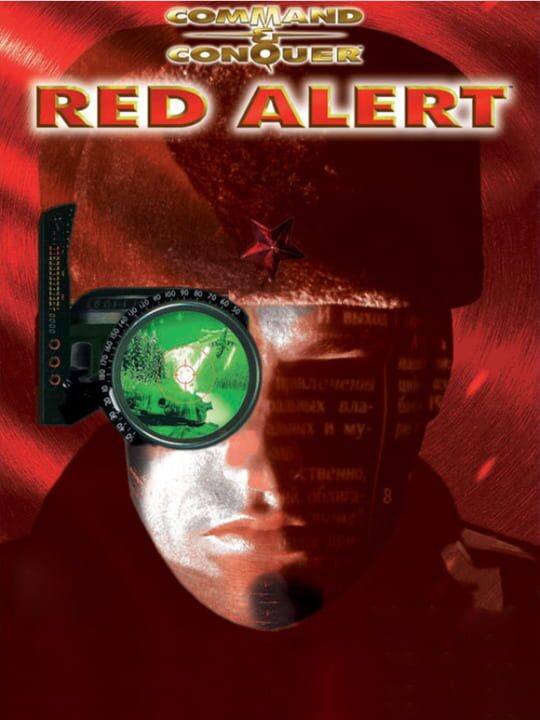
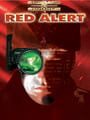
Command & Conquer: Red Alert
Main Game
RELEASED
8.5
Nov 22, 1996
DOSPC (Microsoft Windows)+3byWestwood Studios•Electronic Arts
Overview:|
As a foundational Real Time Strategy (RTS) game first released in 1996, you engage in base building, resource management, and tactical unit deployment in real-time combat. The story plunges you into an alternate timeline where the Soviet Union aggressively expands across Europe following a time-travel paradox. You command either the technologically diverse Allies or the overwhelming Soviet forces, utilizing unique units and espionage tactics. The game features distinct factions and has received official expansions, with modern accessibility provided via remasters.
This is a foundational title in the Real Time Strategy (RTS) genre, first released in late 1996 for DOS and PC (Microsoft Windows), with later ports available on PlayStation consoles including the PS3 and PSP. Set in an alternate timeline stemming from a temporal experiment gone awry, the world has been drastically altered. In this reality, the absence of a major historical figure has allowed the Soviet Union to rise unchecked, initiating a massive invasion across Europe. Players are thrust into this desperate conflict, choosing sides between the technologically advanced Allies and the overwhelming military might of the Soviet Empire, determining the fate of the continent.
Core Gameplay Experience and Mechanics
The central gameplay loop revolves around resource gathering, base construction, and tactical unit deployment in real-time combat. Players must establish a functional base infrastructure, managing power supplies and constructing various production facilities to field an army.
Combat involves commanding diverse military units, ranging from standard infantry and armored vehicles to specialized naval and air assets. Success hinges on understanding unit strengths and weaknesses, utilizing terrain advantages, and executing coordinated assaults against enemy strongholds. The game emphasizes strategic positioning and the effective use of combined arms.
What makes this alternate history setting distinctive?
What sets this strategy game apart is its compelling alternate history premise. The narrative explores a world where the geopolitical landscape has been fundamentally reshaped by time travel, leading to unique technological developments and factional alignments not seen in conventional historical settings. The premise involves Albert Einstein's intervention in the past, leading to a direct confrontation between the Western Allies and the Soviet Empire.
Both the Allied and Soviet factions possess distinct unit rosters and technological paths, encouraging varied strategic approaches depending on the chosen allegiance. Furthermore, the atmosphere is characterized by espionage elements, including the use of spies for infiltration and sabotage.
Current Accessibility and Content Depth
This title has maintained relevance through subsequent releases, including a dedicated remaster that brings the classic experience to modern systems while preserving the original strategic depth. The game is recognized for establishing key conventions within the RTS genre, particularly its intuitive interface design for the time and its focus on distinct, asymmetrical faction design.
Available Content and Expansions
While the core game stands alone, it has been supported by additional content released post-launch. This title features two official expansion packs that introduce new missions, units, and story elements, further deepening the strategic possibilities within the established conflict.
How does the gameplay evolve across factions?
The strategic depth is enhanced by the asymmetrical nature of the two primary forces. The Allies often rely on superior defensive technology and specialized units, whereas the Soviet forces typically field more numerous, powerful, and direct offensive units. Mastering the unique technological trees and unit compositions for each side is crucial for achieving victory.
Game Details
Primary Name: Command & Conquer: Red Alert
Alternative Names:
Command & Conquer - Teil 2: Alarmstufe Rot (German title)
Command & Conquer - Alarmstufe Rot (German title)
Type: Main Game
Series: Command & Conquer: Red Alert
Developer: Westwood Studios
Publisher: Electronic Arts, Virgin Interactive Entertainment, Dice Multi Media Europe, Sold Out Sales & Marketing, Sony Computer Entertainment
Release Information
Release Date: Nov 22, 1996
Genres & Themes
Genres: Real Time Strategy (RTS), Strategy
Themes: Warfare, Science fiction, Historical
Platforms
DOSPC (Microsoft Windows)PlayStation 3PlayStation PortablePlayStation
Game Modes
Perspective: Bird view / Isometric
Player Modes: Single-player
Game Modes: Single player, Multiplayer
Age Ratings
ESRB:T (Teen)
PEGI:12+
The content of this game is suitable for persons aged 12 years and over only. It contains: Realistic looking violence
USK:16+
GRAC:12+


 Soren
Soren