
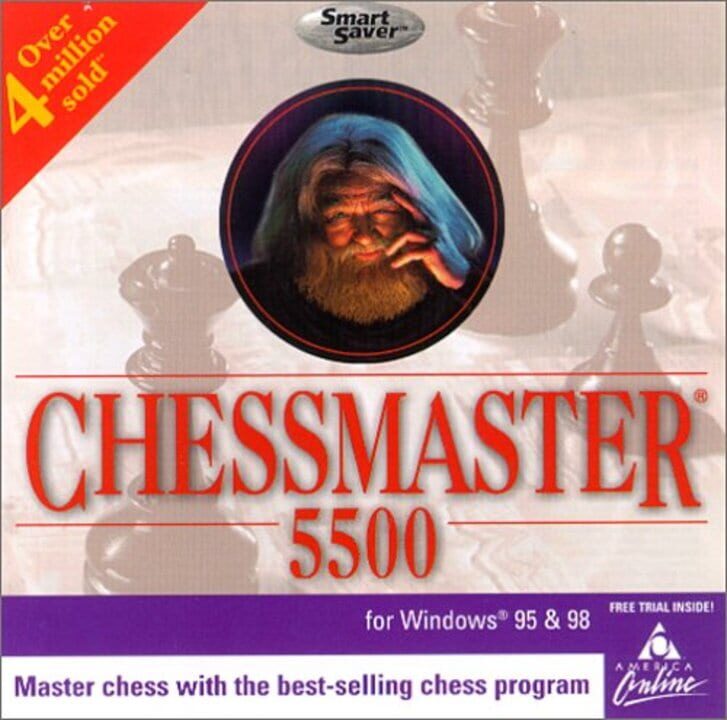
Chessmaster 5500
Main Game
RELEASED
Oct 31, 1997
PC (Microsoft Windows)byMindscape
Overview:|
Chessmaster 5500, a 1997 strategy and sport simulation for PC (Windows), offers a dedicated digital adaptation of classic chess. The core gameplay loop centers on turn-based matches adhering to standard rules, focusing on tactical depth against computer opponents whose strength is likely enhanced from previous iterations. Its distinctive feature is providing a comprehensive, structured environment for serious chess play, emphasizing precise move selection and strategic planning without a narrative storyline.
This title, released in late 1997, is a dedicated digital adaptation of the classic board game of strategy and intellect, designed exclusively for the PC platform running Microsoft Windows. As a main game in the Sport and Strategy genres, its core experience centers entirely on providing a comprehensive and feature-rich environment for playing chess against computer opponents or potentially against other players via local setups. The atmosphere is focused on serious, structured competition, offering a digital chessboard experience that emphasizes tactical depth and strategic planning.
Core Gameplay and Mechanics
The primary gameplay loop involves standard, turn-based chess rules. Players engage in matches where the objective remains the classic checkmate of the opposing king. As an updated version of its predecessor, this iteration features enhancements to the underlying artificial intelligence engine, which dictates the strength and style of the computer opponents available for challenge.
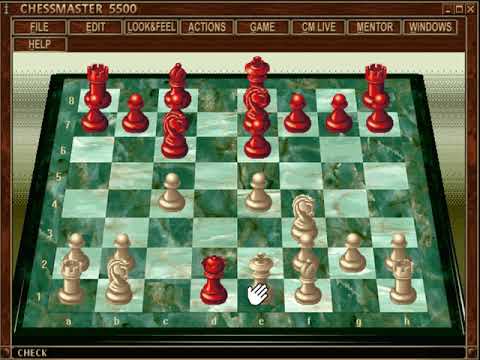
Key mechanics revolve around move selection, board visualization, and access to analytical tools that can aid in learning or reviewing games. The interface is designed to facilitate precise piece manipulation and clear representation of the board state, essential for a game where accuracy is paramount. Players utilize the Windows environment to interact with the digital board, making selections and executing moves according to established chess protocol.
What makes this title a notable entry in digital chess?
The appeal of this specific iteration often lies in the depth of its AI customization and instructional features available to the player. While the storyline is absent, as is typical for a simulation of a traditional sport, the focus shifts entirely to the quality of the simulation itself. This includes offering various levels of difficulty to cater to different skill sets, from beginners learning the fundamentals to advanced players seeking a rigorous challenge. The game emphasizes tactical depth over narrative progression.
Recent State and Community Reception
As a simulation of a timeless game, the core experience remains constant. Community feedback generally centers on the quality and responsiveness of the integrated AI engines available in this version compared to earlier iterations. Since this is a standalone title from 1997, current engagement focuses on maintaining compatibility with modern operating systems and appreciating its historical position within digital chess simulations.
Available Content and Features
Regarding additional content, this main game stands alone. There are no officially documented Downloadable Content (DLC) packs or major expansions associated with this specific version. Distinctive features include various board styles and potentially different time controls to simulate tournament play.
Platform Availability
This strategic simulation was developed for the PC (Microsoft Windows) operating system upon its release in October 1997.
How does the experience compare to other strategy games?
Unlike many other strategy titles that involve resource management or large-scale conflict, this game distills strategic depth down to a single, two-player confrontation. Its uniqueness stems from its reliance on perfect information and deep positional understanding, making every move a critical decision point within a contained, abstract environment.
Game Details
Primary Name: Chessmaster 5500
Type: Main Game
Series: Chessmaster
Developer: Mindscape
Publisher: Mindscape
Engine: Chess Engine: The King
Release Information
Release Date: Oct 31, 1997
Genres & Themes
Genres: Sport, Strategy
Themes: Non-fiction
Platforms
PC (Microsoft Windows)
Game Modes
Perspective: Bird view / Isometric
Player Modes: Single-player
Game Modes: Single player, Multiplayer
Age Ratings
ESRB:E (Everyone)
PEGI:3+
 Soren
Soren