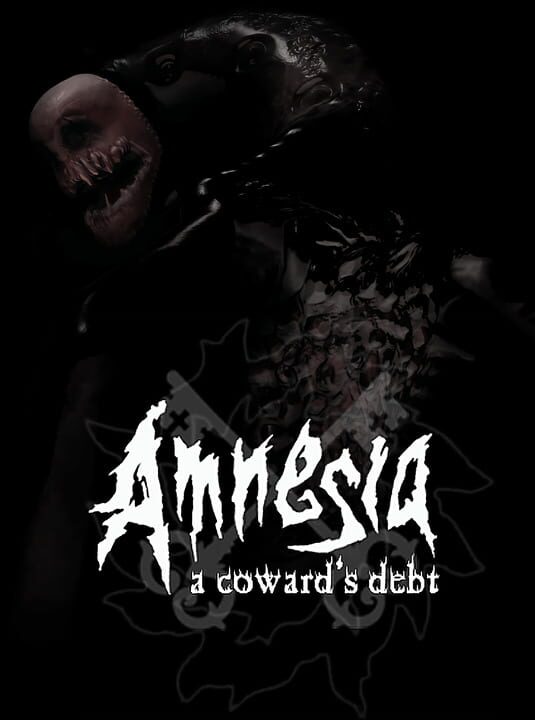
Amnesia: A Coward's Debt
Overview:|
Released in 2014, Amnesia: A Coward's Debt is a self-contained psychological horror adventure. You explore a French estate as Jean, who suffers from amnesia, seeking his wife while managing sanity and evading threats. Core gameplay involves environmental puzzle-solving and stealth exploration, emphasizing atmospheric tension within its established framework.
This title is a self-contained adventure experience, originally released in 2014, situated within the framework of its source material. Players assume the role of Jean, a character who awakens suffering from amnesia within the confines of his French estate. The central objective revolves around the search for his missing wife, a quest that forces the player to navigate an environment saturated with psychological tension and an ever-present, unseen threat.
Core Gameplay Mechanics and Loop
The gameplay loop is heavily reliant on exploration, environmental puzzle-solving, and stealth-based evasion. Direct confrontation is not a viable mechanic; survival depends entirely on remaining unseen and unheard by hostile entities. A key system involves managing the protagonist's sanity level, which degrades when exposed to darkness or terrifying events. Players must actively seek out and maintain light sources, such as oil lamps or tinderboxes, to keep the oppressive atmosphere at bay and prevent mental deterioration.
What is the primary focus of interaction?
Interaction centers on investigating the estate, deciphering cryptic clues left behind, and manipulating objects within the environment to unlock new pathways or progress the narrative. The game emphasizes environmental storytelling, requiring careful observation of surroundings to piece together the fragmented history of the estate and Jean's predicament.
Setting and Narrative Premise
The setting is a secluded, oppressive French estate that serves as the primary location for the entire experience. The narrative unfolds as a personal journey of discovery, where the player uncovers the dark secrets tied to the estate and the protagonist's past actions, culminating in a resolution based on the player's progress through the mystery.
Community Reception and Current State
As a modification released in 2014, the game's current state is largely static, focusing on the established narrative and mechanics. Community reception generally highlights its success in delivering a focused, atmospheric horror experience that effectively utilizes the established tension mechanics of its parent game. The primary appeal remains its compact, self-contained story arc and reliance on psychological dread over overt action.
Distinctive Features
The game's distinctiveness lies in its commitment to a focused, linear narrative structure within a familiar horror engine. It strips down mechanics to emphasize vulnerability, making the management of light and sanity a constant, pressing concern. This design choice reinforces the theme of helplessness central to the experience.
Game Details
Primary Name: Amnesia: A Coward's Debt
Type: Mod
Part of: Amnesia: The Dark Descent
Developer: Damascus
Publisher: Damascus
Release Information
Release Date: Dec 31, 2014
Genres & Themes
Genres: Adventure
Themes: Horror
Platforms
PC (Microsoft Windows)
Game Modes
Perspective: First person
Player Modes: Single-player
Game Modes: Single player
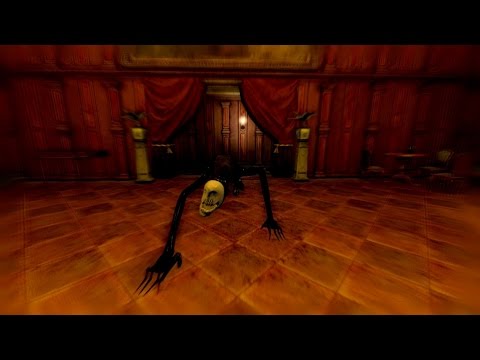
 Soren
Soren