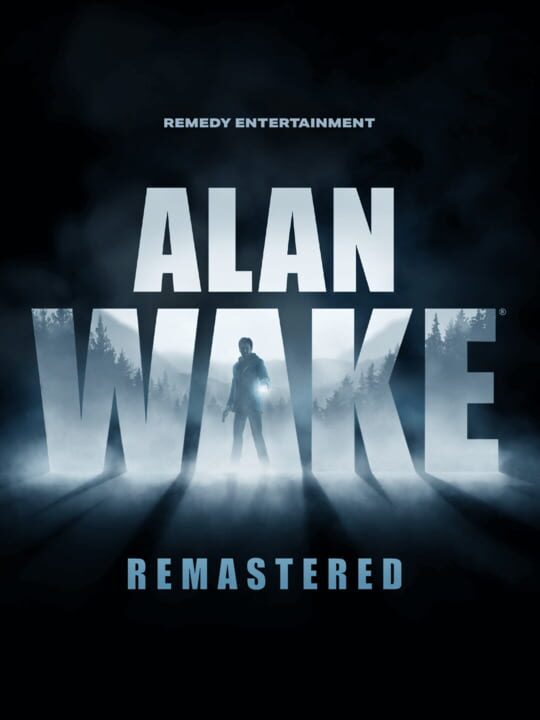
Alan Wake Remastered
Remaster
RELEASED
7.8
Oct 5, 2021
PlayStation 5PlayStation 4+4byRemedy Entertainment•Epic Games
Part of: Alan Wake
Overview:|
Alan Wake Remastered is a psychological horror action-adventure game where you play as novelist Alan Wake, searching for his missing wife in the dark town of Bright Falls. The core gameplay loop involves using light sources, primarily a flashlight, to weaken supernatural enemies called the Taken before engaging them with firearms. This 2021 remaster preserves the original story and mechanics, including the two DLCs, while significantly upgrading visuals and performance for modern hardware. Its distinct feature is the narrative where the written word shapes reality, forcing tactical light-based combat.
This is the definitive updated version of the psychological horror action-adventure game originally released in 2010. Launched in October 2021, this edition brings the intense narrative experience to modern hardware, including PlayStation 5, PlayStation 4, Xbox Series X|S, Xbox One, PC, and Nintendo Switch. Players step into the shoes of Alan Wake, a bestselling thriller novelist grappling with severe writer's block. Seeking inspiration, he travels with his wife, Alice, to the quiet, isolated town of Bright Falls. The tranquility shatters when Alice vanishes, leaving Alan to discover pages from a horror manuscript he has no memory of writing—a manuscript whose terrifying events are beginning to manifest in reality.
Story, Setting, and Atmosphere
The core experience centers on Alan Wake's desperate search for his missing wife amidst the encroaching darkness that plagues Bright Falls. The atmosphere is heavily influenced by the interplay between fiction and reality, as the written word literally shapes the environment and the threats Alan faces. Players must navigate this unsettling reality where the line between Wake's imagination and the physical world blurs.
Core Gameplay Mechanics
The gameplay blends third-person shooting mechanics with survival horror elements. The primary tool against the supernatural entities known as the "Taken"—people consumed by darkness—is light. Alan must use various light sources, such as his flashlight, to weaken the darkness enveloping his enemies before engaging them with conventional firearms. This mechanic of light versus dark is central to every combat encounter.
What are the key improvements in this remastered edition?
This version focuses on modernizing the presentation while preserving the original narrative structure. Key enhancements include:
- Significantly upgraded visual fidelity, featuring enhanced graphics and improved textures across the environment and character models.
- Improved performance optimization for smoother gameplay across all supported platforms.
- Updated cinematic sequences to better match the enhanced graphical quality.
Crucially, the gameplay mechanics and the original storyline remain faithful to the source material. This remaster is a direct enhancement of the original vision, not a reimagining.
What additional content is included?
This release is comprehensive, including the two original story expansions that followed the main campaign: The Signal and The Writer. These add significant narrative depth to Alan Wake's ordeal.
What makes this game unique?
The game's distinct appeal lies in its narrative structure, heavily inspired by psychological thrillers and the concept of reality being malleable. The mechanic requiring players to use light as a weapon before shooting is a defining feature, forcing tactical engagement rather than simple run-and-gun action. The entire journey is framed as a struggle against a malevolent, literary force.
Game Details
Release Information
Release Date: Oct 5, 2021
Genres & Themes
Genres: Shooter, Adventure
Themes: Action, Horror, Thriller, Survival
Platforms
PlayStation 5PlayStation 4PC (Microsoft Windows)Xbox Series X|SXbox OneNintendo Switch
Game Modes
Perspective: Third person
Player Modes: Single-player
Game Modes: Single player
Age Ratings
ESRB:T (Teen)
PEGI:16+
Violence during gameplay involves shooting the undead, who simply glow and then disintegrate. However, cut scenes feature more realistic violence, including human characters being punched. Some of the cutscenes suggest that people have been killed horrifically, although the violence itself is not depicted in detail.
CERO:B (12+)
USK:16+
GRAC:15+
CLASS_IND:14+
ACB:M (Mature)
 Soren
Soren