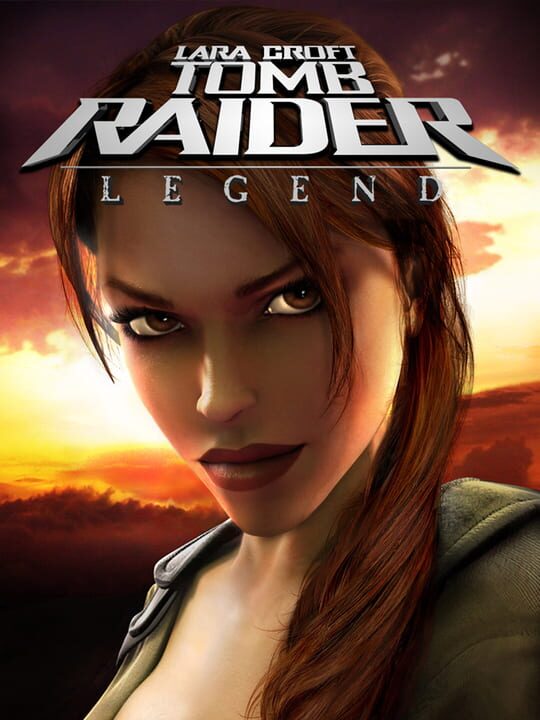
Tomb Raider: Legend
Main Game
RELEASED
7.5
7. Apr. 2006
Xbox 360PC (Microsoft Windows)+2byCrystal Dynamics•Eidos Interactive
Übersicht:|
{"overview":"
Tomb Raider: Legend ist ein Action-Adventure von 2006, das die Reihe neu belebt und Lara Croft in einer neuen Inkarnation präsentiert. Das Kern-Gameplay fokussiert sich auf Erkundung in der Third-Person-Perspektive, das Lösen komplexer Umgebungsrätsel und Kämpfe. Charakteristisch ist die stark verbesserte Bewegungsfreiheit Laras, die nun akrobatische Manöver wie Klettern, Tauchen und akzentuierte Sprünge erlaubt, um schwieriges Terrain zu überwinden. Die Story dreht sich um Laras Suche nach einem südamerikanischen Artefakt, wobei sie auf die zurückgekehrte, vermeintlich tote Forscherin Amanda Evert trifft. Dieses Hauptspiel bietet ein Fundament aus klassischer Erkundung und modernisierten Steuerelementen.
","tokens":{"input":2331,"output":186,"total":2517}}{"overview":"
\nDieses Action-Adventure aus dem Jahr 2006 markiert eine bedeutende Neuerfindung der gefeierten Reihe und stellt den siebten Hauptteil der Serie dar. Entwickelt von Crystal Dynamics, führt dieser Ableger eine neue Inkarnation der ikonischen Protagonistin Lara Croft ein, während der Kern des Third-Person-Erkundens und der Rätsellösung, der die Serie definiert, beibehalten wird. Spieler können eine Mischung aus intensiven Actionszenen und der Durchquerung unterschiedlicher, oft tückischer globaler Schauplätze erwarten.\n
\n\nKern-Gameplay und Mechaniken
\nDie zentrale Spielschleife konzentriert sich auf die Navigation komplexer Umgebungen, das Lösen komplizierter Rätsel, um neue Wege freizuschalten, und das Bestreiten von Kampfszenarien. Ein Hauptaugenmerk dieser Iteration liegt auf der verbesserten Beweglichkeit. Lara Croft ist nicht länger durch starre Bewegungseinschränkungen gebunden; Spieler profitieren von einer flüssigeren und akrobatischeren Fortbewegung. Dies umfasst Laufen, Tauchen, Schwimmen, das Klettern an verschiedenen Oberflächen wie Stangen und Dächern, die Nutzung von Seilrutschen sowie das Ausführen von Aktionen wie Gewölbesprüngen und Saltos, um schwieriges Terrain zu überwinden.
\n\nWorauf liegt der Fokus der Erkundung in diesem Abenteuer?
\nDie Erkundung erfordert, dass Spieler Laras gesamte Bewegungsbandbreite nutzen, um herausfordernde Landschaften zu durchqueren. Der Fortschritt wird oft durch Umgebungsrätsel blockiert, die gelöst werden müssen, um neue Bereiche zu öffnen oder verborgene Geheimnisse aufzudecken. Die Atmosphäre verbindet antike Mysterien mit Hochrisiko-Abenteuern, während Spieler in Ruinen und vergessene Orte vordringen.
\n\nHandlungsprämisse
\nDie Erzählung beginnt damit, dass Lara Croft nach einem bedeutenden südamerikanischen Relikt sucht. Ihre Expedition nimmt jedoch schnell eine andere Wendung, als sie auf eine Figur aus ihrer Vergangenheit trifft: die abtrünnige Anthropologin Amanda Evert. Amanda, die vor Jahren bei einem Grabunfall in Peru – einem Vorfall, aus dem Lara als einzige entkam – für tot gehalten wurde, taucht mit einer klaren Agenda wieder auf. Sowohl Lara als auch Amanda befinden sich in einem Wettlauf gegen die Zeit, zusammen mit dem zwielichtigen James Rutland Jr., um ein uraltes und mächtiges Artefakt in ihren Besitz zu bringen.
\n\nPlattformverfügbarkeit und Inhalt
\nDieser Haupttitel wurde für die Plattformen Xbox 360, PC (Microsoft Windows), PlayStation 3 und das OnLive Game System veröffentlicht. Als zentrale, in sich geschlossene Veröffentlichung enthält das Spiel keine offiziellen herunterladbaren Inhalte (DLCs) oder Erweiterungen.
\n\nWas definiert dieses Reboot-Erlebnis?
\nDieses Spiel zeichnet sich durch die erfolgreiche Integration klassischer Abenteuerelemente mit modernen, reaktionsschnellen Steuerelementen aus, was ein größeres Gefühl der Freiheit bei der Bewegung und Interaktion mit der Umgebung ermöglicht und damit eine neue Grundlage für die Reise der Figur schafft.
","tokens":{"input":2525,"output":746,"total":3271}}Game Details
Primary Name: Tomb Raider: Legend
Alternative Names:
Tomb Raider 7 (Alternative spelling)
Lara Croft: Tomb Raider - Legend (Alternative spelling)
古墓奇兵:不死傳奇 (Chinese title - traditional)
古墓丽影:传奇 (Chinese title - simplified)
Tomb Raider - Легенда (Russian title)
Tomb Raider: Legenda (Polish title)
TR Legend (Acronym)
Type: Main Game
Series: Tomb Raider: Legend
Developer: Crystal Dynamics
Publisher: Eidos Interactive, Square Enix, Crystal Dynamics
Engine: Crystal Engine
Release Information
Release Date: Apr. 7, 2006
Genres & Themes
Genres: Shooter, Platform, Adventure
Themes: Action
Platforms
Xbox 360PC (Microsoft Windows)PlayStation 3OnLive Game System
Game Modes
Perspective: Third person
Player Modes: Single-player
Game Modes: Single player
Age Ratings
ESRB:T (Teen)
PEGI:16+
CERO:B (12+)
USK:16+
CLASS_IND:16+
ACB:PG (Parental Guidance)
Mild violence



 Soren
Soren