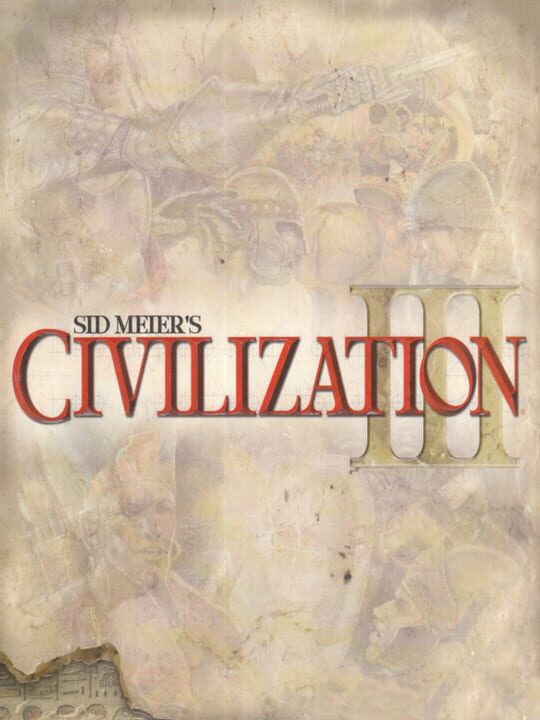
Sid Meier's Civilization III
Main Game
RELEASED
8.0
30. okt. 2001
PC (Microsoft Windows)MacbyFiraxis Games•MacSoft Games
Oversigt:|
{"overview":"
Sid Meier's Civilization III er et turbaseret strategispil fra 2001, hvor du leder en civilisation fra oldtiden frem til moderne tid. Kernen i spillet er at opbygge et imperium centreret omkring byer, der genererer ressourcer til vækst, forbedringer og teknologisk udvikling. Succes kræver balance mellem infrastruktur, diplomati, kultur og militær magt. Spillet fokuserer på dyb styring af sammenkoblede systemer, hvor strategisk planlægning over mange træk er essentiel for at opnå sejr.
","tokens":{"input":2250,"output":134,"total":2384}}{"overview":"
\n
\n\nDette strategispil, udgivet i 2001 til PC (Microsoft Windows) og Mac, er en central del af serien om at opbygge et imperium. Spillet placerer dig i rollen som leder af en civilisation, hvis opgave det er at styre din befolkning fra historiens begyndelse og frem mod den moderne æra og videre. Kernen i oplevelsen er at etablere og pleje et voksende imperium centreret omkring en række byer, som fungerer som knudepunkter for ressourcegenerering, konstruktion og teknologisk fremskridt. For at opnå succes kræves en konstant balancegang mellem flere kritiske områder: opbygning af infrastruktur, ressourcestyring, diplomati, handel, kulturel ekspansion og militær magt.
\nKerne-Gameplay og Imperieopbygning
\n\nDet primære gameplay-loop drejer sig om bystyring og territorial udvidelse. Du skal strategisk placere og udvikle dine byer for at maksimere produktionen af vitale ressourcer. Disse ressourcer er nødvendige for at finansiere opførelsen af byforbedringer, konstruktionen af monumentale Verdensundere og rekruttering samt vedligeholdelse af militære enheder.
\n\nTeknologisk Fremskridt og Kultur
\n\nEn væsentlig del af spillet er navigationen gennem et omfattende teknologitræ. Hvert videnskabeligt fremskridt låser op for nye kapaciteter, enheder og bygninger, hvilket fundamentalt ændrer civilisationens udviklingsbane. Spillet inkorporerer også et kulturelt element, hvor den indflydelse, der udstråler fra dine etablerede byer, udvider dit imperiums grænser og sikrer territorium.
\n\nHvad adskiller dette spil i sin genre?
\n\nSpillet differentierer sig ved sit dybe fokus på sammenkoblingen mellem forskellige samfundssystemer. Det er ikke udelukkende et spil om militær erobring; det kræver i stedet en holistisk tilgang til styring. Spillere skal konstant afveje de umiddelbare behov hos militæret mod langsigtede investeringer i videnskab, infrastruktur og kulturel dominans.
\n\nDiplomati og Handelsmekanikker
\n\nInteraktion med rivaliserende civilisationer er afgørende. Du engagerer dig i komplekse diplomatiske forhandlinger, hvor du kan danne alliancer, erklære rivaliseringer og etablere handelsaftaler. Effektiv styring af disse internationale relationer kan sikre dig vitale ressourcer eller afværge kostbare konflikter.
\n\nHvordan opleves spillet?
\n\nSom et turbaseret strategispil giver tempoet spilleren rigelig tid til at overveje sine træk, planlægge flere runder frem og metodisk reagere på det skiftende globale landskab. Atmosfæren er præget af en storslået historisk simulation, hvor enhver beslutning – fra placeringen af en ny by til forskningen i en ny styreform – har varige konsekvenser for civilisationens skæbne.
\n\nHvilke udvidelser er tilgængelige for denne titel?
\nSelvom grundspillet udgør en komplet oplevelse, har denne titel modtaget to officielle udvidelsespakker. Disse tilføjer yderligere dybde og kompleksitet til de centrale mekanikker og introducerer nye funktioner, enheder og udfordringer til det historiske omfang.
","tokens":{"input":2444,"output":861,"total":3305}}Game Details
Primary Name: Sid Meier's Civilization III
Alternative Names:
Civ 3 (Acronym)
Civilization 3 (Abbreviation)
Civilization III (Abbreviation)
Civ III (Abbreviation)
Type: Main Game
Series: Civilization
Developer: Firaxis Games, Westlake Interactive
Publisher: MacSoft Games, Infogrames
Release Information
Release Date: okt. 30, 2001
Genres & Themes
Genres: Simulator, Strategy, Turn-based strategy (TBS)
Themes: Educational, 4X (explore, expand, exploit, and exterminate), Fantasy, Historical
Platforms
PC (Microsoft Windows)Mac
Game Modes
Perspective: Bird view / Isometric
Player Modes: Single-player
Game Modes: Single player
Age Ratings
ESRB:E (Everyone)
 Soren
Soren