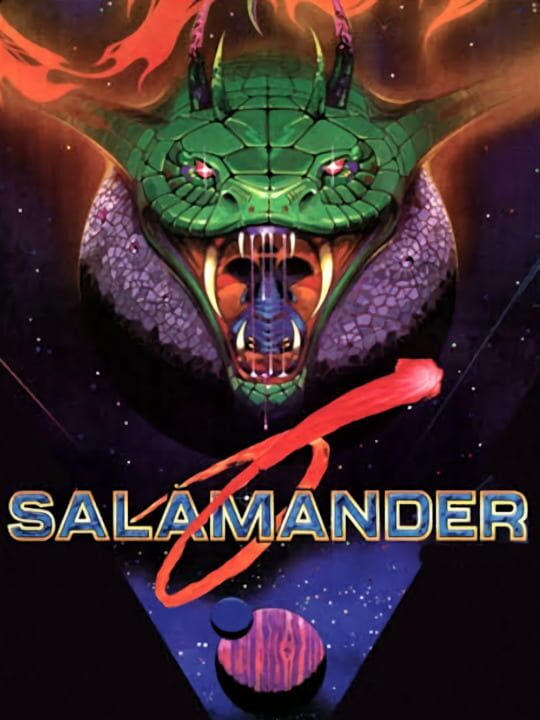
Salamander
Main Game
RELEASED
7.0
4 Tem 1986
Sharp X68000ArcadebyKonami
Genel Bakış:|
{"overview":"
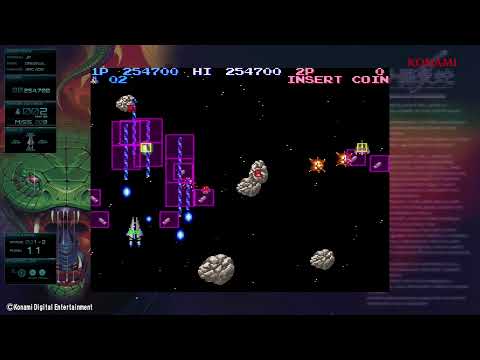
Salamander, 1986'da çıkan bir arcade aksiyon oyunudur. Temel oynanışı, düşman dalgalarına karşı uzay geminizi kontrol ettiğiniz, hem yatay hem de dikey olarak kayan aşamalarda ilerlemeye dayanır. Öne çıkan özellikleri arasında basitleştirilmiş güçlendirme sistemi ve iki oyunculu eşli oynanış bulunur. Bu oyun, türdeki bazı mekaniklerin temelini atmıştır.
","tokens":{"input":1929,"output":101,"total":2030}}{"overview":"
\n
\n\nBu, 1986 yılında ilk kez piyasaya sürülen, hızlı tempolu aksiyon sunan klasik bir arcade nişancı oyunudur. Temel olarak Sharp X68000 ve arcade makineleri için geliştirilmiş olup, oyuncuları yoğun ve yüksek riskli hava savaşlarının içine çeker. Türü itibarıyla bir ana oyun olarak, sürekli uyum gerektiren mücadeleler sunar.
\nTemel Oynanış ve Mekanikler
\nOyunun merkezinde, oyuncunun son derece özelleştirilebilir bir uzay gemisini düşman dalgaları arasından yönetmesi yer alır. Oyuncular, aşamalar boyunca ilerlerken, oyunun kaydırma (scrolling) perspektifinin yataydan dikeyye dinamik olarak değiştiğini göreceklerdir. Bu durum, hareket ve strateji konusunda sürekli adaptasyon gerektirir.
\n\nBu başlığı türdeki diğer oyunlardan ayıran belirgin bir özellik, güçlendirme (power-up) sistemine yaklaşımıdır. Oyuncular, gemilerinin yeteneklerini geliştirme sürecini basitleştiren, ancak savaş derinliğini koruyan basitleştirilmiş bir güçlendirme sistemi ile karşılaşırlar.
\n\nİşbirlikçi Oynanış Özelliği
\nBu oyunun temel deneyim şekli nedir?
\nOynanışın önemli bir unsuru, iki oyunculu işbirlikçi modun dahil edilmesidir. Bu özellik, iki pilotun aynı anda takım kurmasına, saldırıları koordine etmesine ve amansız düşman saldırılarına karşı savunma yapmasına olanak tanıyarak arcade zorluğuna bir takım çalışması katmanı ekler.
\n\nAşama Çeşitliliği ve Tasarımı
\nOyun, kaydırma yönünün değiştiği belirgin aşamalara ayrılmıştır. Bu tasarım tercihi, oyuncuların tek bir hareket düzenine güvenememesini sağlar ve hem yan kaydırma manevralarında hem de dikey yükselme/alçalma düzenlerinde ustalaşmaya zorlar.
\n\nİçerik Durumu
\n1986'da yayınlanmış bir ana arcade oyunu olarak, bu başlık temel deneyimine odaklanmıştır. Bu sürümle ilişkili herhangi bir indirilebilir içerik paketi veya genişleme bulunmamaktadır.
\n\nBu oyun, türdeki mirasını neyle tanımlıyor?
\nBurada tanıtılan mekanik yeniliklerin birçoğu, özellikle değişen kaydırma aşamaları ve basitleştirilmiş güçlendirme yapısı, daha sonra ilgili nişancı serilerinin sonraki oyunları tarafından benimsenen temel unsurlar haline gelmiştir.
","tokens":{"input":2123,"output":637,"total":2760}}Game Details
Primary Name: Salamander
Alternative Names:
沙羅曼蛇 (Chinese title - simplified)
Type: Main Game
Series: Salamander
Developer: Konami
Publisher: Konami
Release Information
Release Date: Tem 4, 1986
Genres & Themes
Genres: Shooter, Arcade
Themes: Action, Science fiction
Platforms
Sharp X68000Arcade
Game Modes
Perspective: Side view
Player Modes: Offline Co-op, Campaign Co-op, Split Screen, Multiplayer
Game Modes: Single player, Co-operative, Split screen
Age Ratings
ESRB:E (Everyone)
CERO:A (All Ages)

 Soren
Soren