
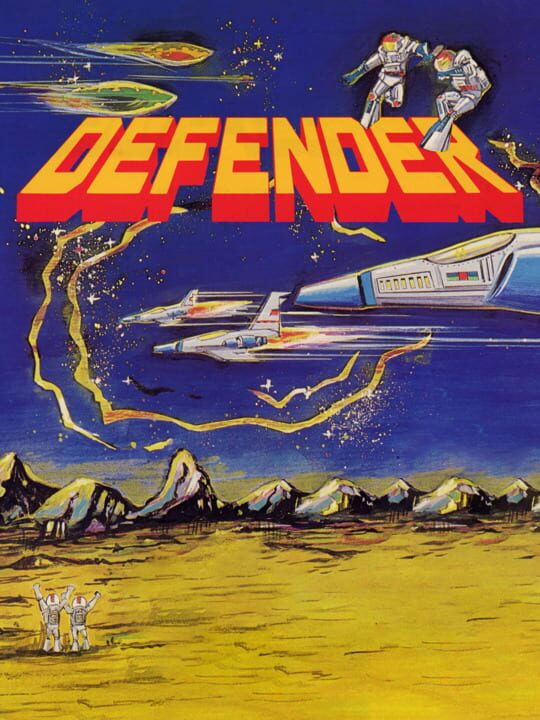
Defender
Main Game
RELEASED
4.7
1 Mar 1981
ArcadeMac+1byUnknown•Williams Electronics
Genel Bakış:|
{"overview":"
1981'de çıkan bu temel 2D nişancı/strateji oyunu olan Defender'da, Manti ve Irata adlı uzaylılara karşı kurgusal bir gezegeni savunuyorsunuz. Temel oynanış, sürekli kayan bir ekranda düşman dalgalarıyla savaşmayı ve kaçırılmak üzere olan insanları kurtarmayı içerir; kaçırılan her insan, uzaylıları güçlendirir. Oyuncunun görevi, saldırı ile savunma arasında sürekli denge kurarak hem düşmanları yok etmek hem de hayatta kalanları korumaktır. Bu, sürekli tehdit yönetimi gerektiren zorlu bir deneyim sunar.
","tokens":{"input":2298,"output":155,"total":2453}}{"overview":"
\n
\n\nBu, 1981 yılında Arcade platformu için yayınlanmış, temel bir 2D nişancı ve strateji oyunudur. Daha sonra Mac ve Web tarayıcısı platformlarında da erişilebilir hale gelmiştir. Oyunun ana teması, oyuncuyu, \"Manti\" olarak bilinen saldırgan bir uzaylı ırkına ve onların akrabaları olan \"Irata\"ya karşı kurgusal bir gezegeni savunmakla görevli bir Yıldız Savaşçısı rolüne yerleştirir. Bu istilacılar aktif olarak insanları kaçırmaktadır ve başarılı bir şekilde insan kaçıran bir uzaylının gücünün artarak Dünya savunmasını alt edebilecek nihai bir Mutant Ordu oluşturma potansiyeli taşıdığı bilinmektedir.
\nTemel Oynanış Deneyimi ve Mekanikler
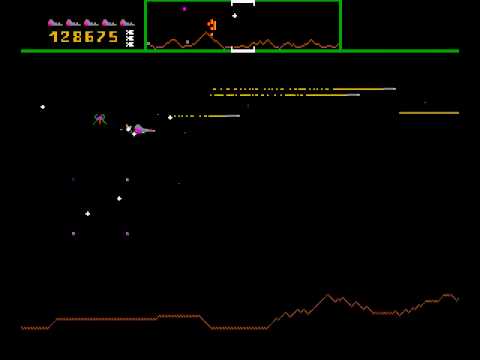
\nOynanış döngüsü, yoğun, hızlı tempolu savaş ile kritik kaynak yönetimini merkezine alır. Oyuncular, gelen düşman dalgalarıyla savaşırken kayan iki boyutlu bir ortamda yol alır. Merkezi bir mekanik, manzara boyunca dağılmış durumdaki mahsur kalmış astronotların korunmasıdır. Bir Manti, bir insanı kaçırırsa, o uzaylı önemli ölçüde tehlikeli hale gelir.
\nOyuncunun gemisi düşmanlarla savaşmak için birincil bir silahla donatılmıştır, ancak başarı, stratejik harekete ve çevrenin kullanımına bağlıdır. Oyun, tehditlerin birden fazla yönden yaklaşmasına karşı sürekli bir farkındalık gerektirir; bu da oyuncuların saldırı eylemi ile insan nüfusunun savunulması arasında bir denge kurmasını zorunlu kılar. Oyun, Williams Electronics tarafından geliştirilmiş olup, Eugene Jarvis'in ilk video oyunu projesi olarak öne çıkar ve hem görsel-işitsel sunumu hem de oynanış zorluğu ile eleştirmenlerden övgü almıştır.
\n\nBu Oyunu Nişancı Türünde Benzersiz Kılan Nedir?
\nOyunun kendine özgü çekiciliği, çifte hedefte yatmaktadır: agresif uzaylı imhası ile hayatta kalan insanları kurtarma görevinin hayati ve zamana duyarlı birleşimi. Sürekli saldırı altındayken kırılgan bir kaynağı koruma zorunluluğu, onu dönemin daha basit \"shoot-'em-up\" oyunlarından ayırır. Oyunun zorluk seviyesi sıklıkla belirtilir ve daha fazla insan kaçırıldıkça artan tehdit seviyesini yönetmek için hassas kontrol ve hızlı karar verme yeteneği gerektirir.
\n\nMekan ve Atmosfer
\nAtmosfer, ezici bir dünya dışı tehdide karşı çaresiz bir fütüristik savunma hissiyatı sunar. Uzak bir gezegende geçen bu oyun, Manti ve Irata güçlerine karşı yüksek riskli çatışmayı destekleyen bir görsel sunuma sahiptir.
\n\nEk İçerik Durumu
\nBu ana oyun başlığı için şu anda resmi olarak yayınlanmış herhangi bir İndirilebilir İçerik (DLC) paketi veya Genişleme paketi bulunmamaktadır. Oyun, ilk yayınından bu yana bir adet resmi yeniden yapım görmüştür.
","tokens":{"input":2490,"output":762,"total":3252}}Game Details
Primary Name: Defender
Alternative Names:
Earth Attack (Alternative title)
Type: Main Game
Series: Defender
Developer: Unknown
Publisher: Williams Electronics, Shockwave
Release Information
Release Date: Mar 1, 1981
Genres & Themes
Genres: Shooter, Strategy
Themes: Action, Science fiction
Platforms
ArcadeMacWeb browser
Game Modes
Perspective: Side view
Player Modes: Single-player
Game Modes: Single player, Multiplayer
 Soren
Soren